

The Kitchen That Remembers: How the Lau Family Preserves Cantonese Heritage One Meal at a Time
yiutube
It’s easy to forget, in a digital culture obsessed with quick takes and 30-second “how-to” recipes, that cooking used to be one of our oldest storytelling forms. Before the blogs, before the reels, before the aesthetic pantry tours, families passed down knowledge through flavor: a pot of congee on a tired morning, ginger sliced the way your mother once learned from hers, a marinade mixed from instinct rather than measurement.
That’s the quiet power behind Made With Lau, the YouTube channel built around a Cantonese American family who turned their kitchen into a living archive. What started as a project to document one father’s recipes has grown into one of the most thoughtful spaces on the internet about food, memory, and cultural continuity. The Lau’s aren’t just teaching viewers how to crisp a chicken thigh or lacquer char siu. They’re modeling how a cuisine becomes a heritage—how everyday cooking becomes a form of record keeping.
Below, a closer look at why the channel resonates, what its most-watched videos reveal, and how the Lau family shows that food isn’t just nourishment. It’s a memory with a stovetop.
Why Made With Lau Matters
For the Lau family, food has long been the most reliable historian in the house. Their recipes have survived moves, shifting circumstances, and the occasional kitchen mishap that no one will confess to. A Tuesday fish or a Sunday dumpling isn’t just dinner. It’s a reminder of Cantonese heritage kept alive through repetition, routine, and the sensory rituals that outlast everything else.
The family never needed anyone to write down their story. It unfolds naturally in the kitchen. There’s the ginger sliced almost translucently. The serious debates about soy sauce proportions. The way a dish is seasoned until it “feels right,” because the recipe lives in memory, not in measuring spoons. These techniques rarely make it into published cookbooks, yet they’re the glue that binds generations.
Much of this inheritance begins with Mrs. Lau, whose sense of ease in the kitchen comes from the Guangzhou home she grew up in. She still remembers the rhythm of cleavers, the warmth of white pepper hitting hot oil, the pride of serving meals that tasted like home even during unstable years. Those sensory memories traveled with her when she immigrated.
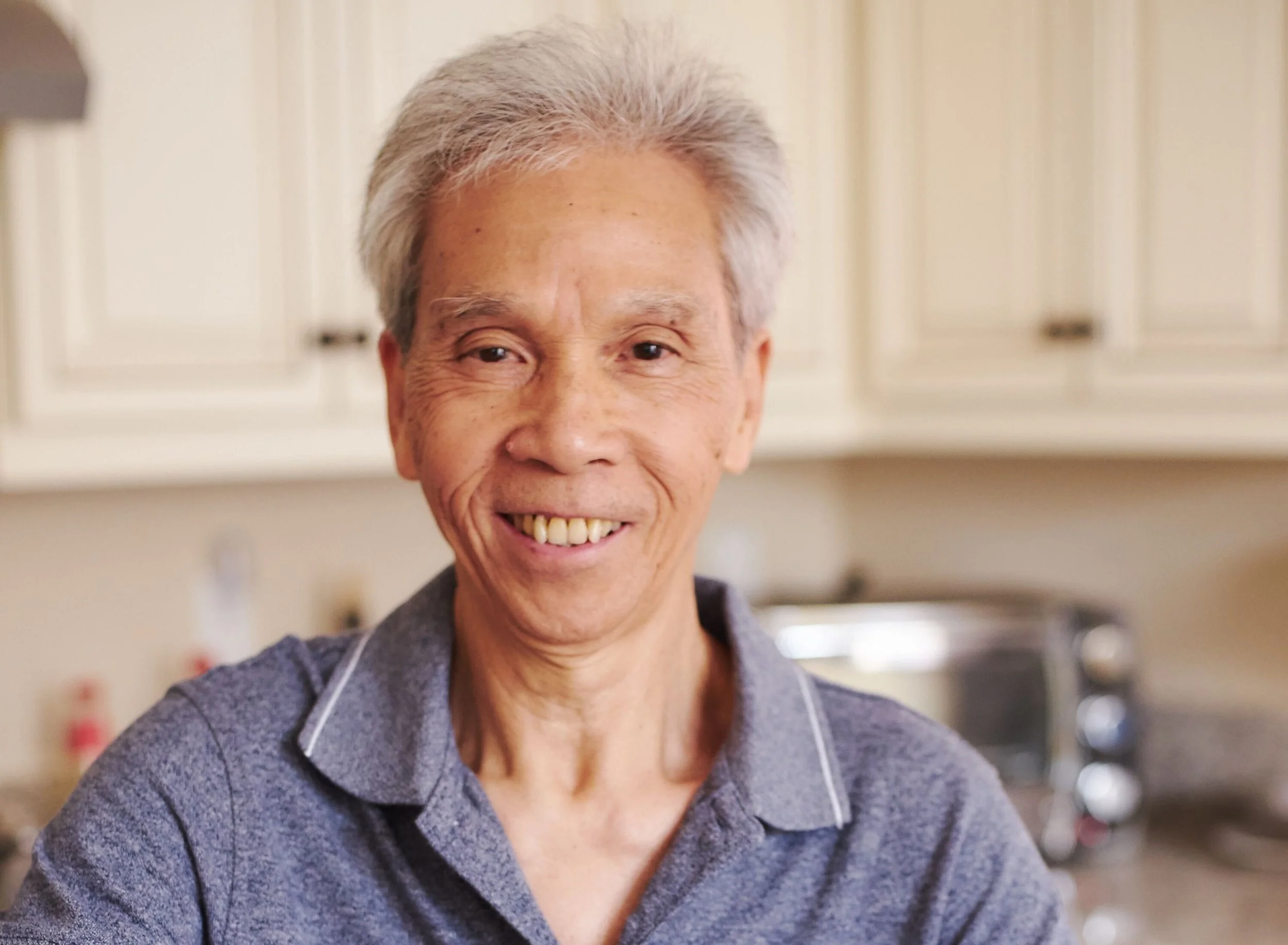
Mr. Lau cooks alongside her with a more improvisational approach. She honors tradition; he adjusts instinctively as he goes. Together, they model the dual reality familiar to many diaspora families: honoring what came before while adapting to the lives they’re building now.
For the Lau children, the kitchen functioned as an early classroom. Their family history appeared on the table long before they had the words to describe it. Congee signaled care. Salted fish and eggs marked the celebration. Lunar New Year dishes served as a primer on symbolism—long noodles for long life, whole fish for unity, rice cakes rising just as aspirations should.
Even now, as the children grow and move into their own adult routines, the pull of their family kitchen remains strong. They may move between cultures, but the flavors of their upbringing point them home. One bite can bring back afternoons spent watching dumplings folded with improbable precision or evenings when the family gathered around a table filled with humor, warmth, and a subtle feeling of inheritance.
Notable Episode Themes
These videos don’t function only as tutorials. They are miniature cultural essays disguised as cooking guides, each one revealing something essential about Cantonese heritage and the Lau family’s relationship to it.
How a Chinese Chef Cooks Chicken Thighs (煎雞扒)
At first glance, it’s a straightforward lesson about a pantry staple. But Daddy Lau transforms a familiar ingredient into a deep dive on technique, instinct, and the quiet philosophy behind Cantonese home cooking. He breaks down what makes a thigh ideal for pan-frying, demonstrating how to debone, trim, and marinate with the kind of muscle memory that only forms after decades at the stove.
What unfolds is a study in sensory language. The pan announces readiness through sound. Ginger reveals its fragrance at the moment it hits the oil. The splash of cooking wine arrives exactly when the aromatics call for it. Viewers come for a weeknight recipe and leave with a richer sense of how Cantonese cooking encodes memory in method.
Char Siu (叉燒) – My Dad’s Recipe for Chinese BBQ Pork
Char siu is already iconic, but here it becomes a story about how families safeguard tradition. Daddy Lau shows how to coax pork into tenderness, how to layer sweetness and savory depth, and how patience produces that lacquered finish associated with Hong Kong BBQ shops.
The deeper appeal comes from watching a dish that once belonged to bustling street stalls adapt seamlessly to a suburban American kitchen. The gestures—testing texture with a gentle tap, basting with quiet concentration—reveal how diaspora cooks protect the integrity of flavor even as everything around them changes. The episode teaches the recipe, but it also explains why the recipe deserves to be remembered.
How a Chinese Chef Cooks Broccoli (蒜蓉西蘭花)
It’s a simple vegetable. But in Cantonese cooking, simplicity is often a sign of mastery. Daddy Lau breaks down the science behind achieving crispness without toughness, explains why blanching matters, and demonstrates how garlic behaves differently depending on how it’s prepared.
Through broccoli, viewers learn the core values of the cuisine: respect for ingredients, balance, efficiency, and a kind of humble elegance. This is everyday food, but the technique behind it reflects generations of accumulated knowledge. Watching it unfold feels like being handed a small but meaningful piece of cultural literacy.
Why It Resonates Now
The success of Made With Lau isn’t just about comforting recipes or the charm of a family teaching one another on camera. It resonates because it arrives at a moment when questions of identity, heritage, and belonging are deeply felt across younger generations, especially among children of immigrants.
Food offers answers that language sometimes struggles to articulate. It turns the abstract into something warm and aromatic. It becomes a way to reclaim history when archives feel incomplete or inaccessible. Viewers aren’t just learning how to cook broccoli or char siu; they’re learning what it means to preserve culture without freezing it in time.
In a digital world full of rapid trends, the Lau family offers a countercurrent: slow memory, steady repetition, continuity. Their dishes carry the textures of tradition, the cadence of migration, and the sensory fingerprints of another place and time. Each video holds that lineage gently and makes it accessible to anyone willing to watch, cook, or taste.
They may never publish a formal family history. They don’t have to. Their legacy is simmered, seared, plated, and shared—kept alive one bowl, one bite, one episode at a time.
