

Ride Report: Cowboy Cross and the SmartEvolution of Urban Cycling
Cities have always shaped the way we move. From crowded subway platforms to yellow cabs and bicycle lanes weaving between traffic, urban transportation is constantly adapting to the rhythms of modern life. In recent years, the electric bike has emerged as one of the most compelling alternatives to traditional city transportation, offering the freedom of a bicycle without demanding quite as much effort from its rider.
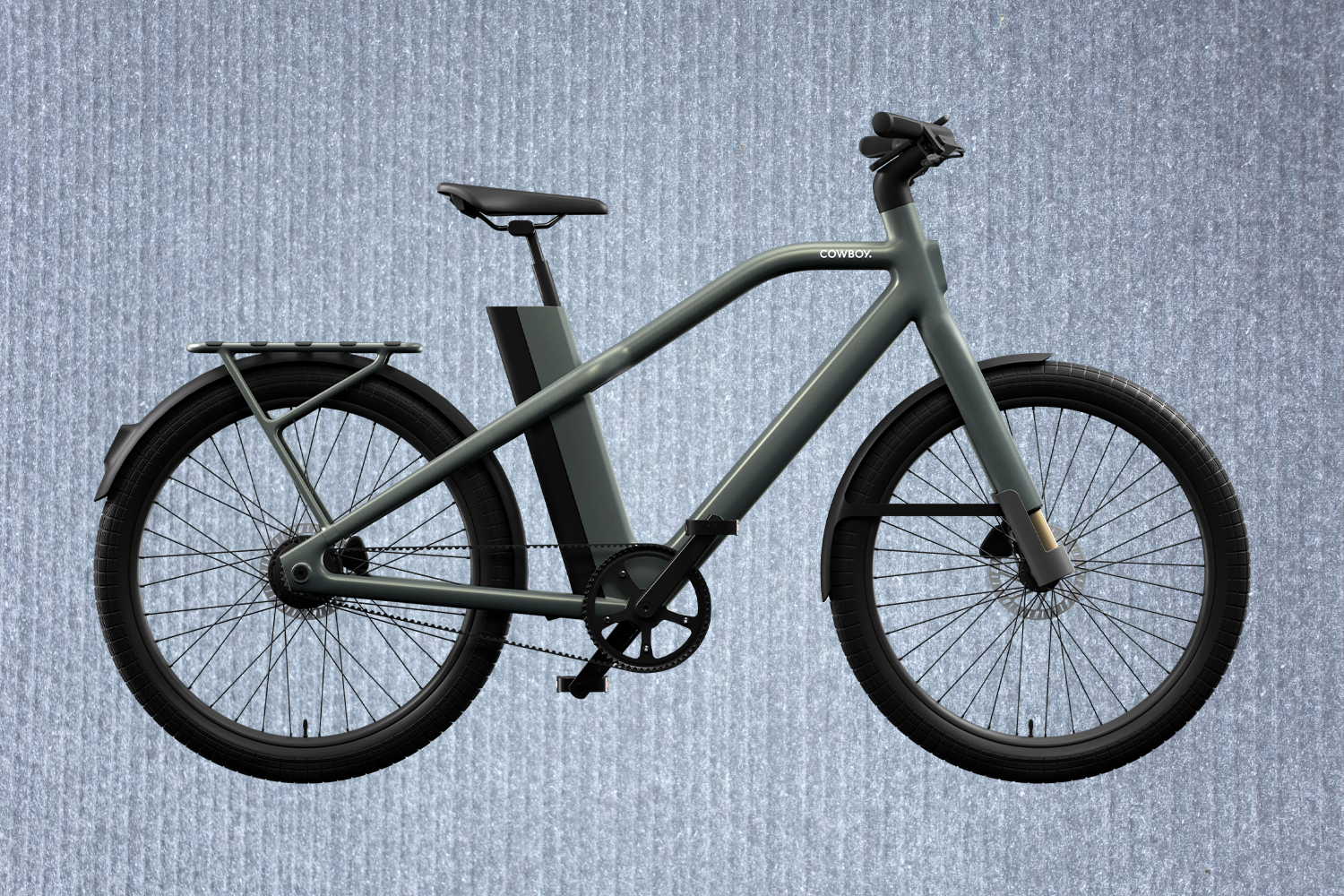
The Cowboy Cross represents the next stage of that evolution. Designed by Belgian e-bikecompany Cowboy, the Cross combines the clean, minimalist design associated with the brand’s urban bicycles with greater comfort, range, and versatility. It is still unmistakably a city bike, but one designed to keep going when the pavement becomes less predictable.
At first glance, the Cross is remarkably understated. Its frame is sleek and sculptural, with cables and technology carefully integrated rather than prominently displayed. There is little to suggest the amount of intelligence operating beneath the surface. That simplicity is intentional. Rather than making technology the visual focus of the bicycle, Cowboy allows it to quietly enhance the experience of riding.
Central to that experience is Cowboy’s AdaptivePower technology, which adjusts the bike’s electric assistance according to changing riding conditions. Hills, headwinds, and additional weight can trigger changes in motor support, creating a more natural relationship between the rider and the bicycle. Instead of constantly thinking about settings or gears, the rider can simply pedal while the bike responds in the background.
The Cross also expands Cowboy’s traditional urban focus through its approach to comfort. Front fork and seat post suspension each provide 40 millimeters of travel, while wider tires help absorb uneven surfaces. Cobbled streets, rough pavement, park paths, and less polished roads become considerably more manageable. It gives the Cross a sense of versatility that feels particularly appropriate for modern city life, where a single journey can involve everything from smooth bicycle lanes to potholes and uneven side streets.
Range has been given similar attention. Cowboy lists the Cross with a battery range of approximately 60 to 120 kilometers, or roughly 37 to 75 miles, depending on riding conditions. The removable battery can be fully recharged in just under four hours. That makes the bicycle practical not only for everyday commuting but also for longer rides that extend beyond familiar city streets.
Perhaps the most interesting aspect of the Cross, however, is the way it treats the bicycle as a connected device. Through the Cowboy app, riders can access navigation, ride statistics, safety features, and security tools. Built-in GPS powers the Find My Bike function, while theft alertscan notify owners if the bicycle is moved unexpectedly. Crash Detection and Share My Ride add another layer of reassurance, particularly for those navigating busy streets alone.
This connectivity reflects a larger transformation in urban transportation. For decades, bicycles remained fundamentally mechanical objects. Smartphones changed the way people navigated cities, but the bicycle itself remained largely separate from the digital infrastructure surrounding it. Cowboy brings those two worlds together. Navigation, security, diagnostics, and performance can now exist within a single connected riding experience.
The Cross even has the ability to monitor aspects of its own condition. Cowboy’s Check My Bike diagnostic system is designed to identify potential service needs, shifting some bicycle maintenance from reaction to prevention. It is a small but significant example of how software is beginning to change objects that were once almost entirely mechanical.
Yet the technology never needs to become the main attraction. The appeal of cycling has always been its simplicity. There is an immediacy to moving through a city on two wheels that cars, trains, and buses struggle to replicate. You notice the architecture, the storefronts, the weather, and the gradual transition from one neighborhood to another. The best electric bikes preserve that experience while removing some of the barriers that can make cycling impractical for everyday transportation.
That is where the Cowboy Cross feels particularly relevant. It does not attempt to turn cycling into another screen-based experience. Instead, its technology works largely in the background, helping the bicycle respond to its rider and surroundings.
There is also something increasingly attractive about transportation that sits between traditional categories. The Cross can be a commuter during the week and a recreational bike on the weekend. Its integrated rear rack allows it to carry more than just its rider, while its suspension and wider tires make journeys beyond perfectly maintained city streets more inviting.
Urban mobility is unlikely to be defined by a single form of transportation. Cars, trains, buses, bicycles, and walking will continue to coexist. But the smartest transportation products may be those that make choosing the simpler option easier.
The Cowboy Cross is an example of what happens when technology is used not to complicate movement, but to make it feel more natural. Connected, adaptable, and designed for roads that do not always remain perfectly smooth, it suggests that the future of urban cycling may be less about reinventing the bicycle and more about quietly making it better.