

Elixir Edit: How Generations Redefine “Quality Drinking”
Sóc Năng Động
Not long ago, as a college kid who just turned 21, you would only consider beer on tap or a well cocktail at Happy Hour. Your older brother, insisting you weren’t quite ready for the real world, suggested easing into adulthood with coffee, which came either black or with cream and sugar. Your parents, eager to witness (monitor) your moment of spiritual adulthood, scanned the short wine list and decided to split a bottle of Chardonnay over dinner. As the server made the rounds taking orders, you looked around and saw that most people, regardless of age, were drinking from roughly the same playbook.
The landscape in cafés, grocery stores, and cocktail bars today looks less “Y2K”. The customer ordering a strawberry oat milk matcha topped with lavender cold foam is often noticeably more “Gen Z” than the one drilling the barista about single-origin coffee beans. At the wine shop, someone who is agonizing between a Napa Cabernet or Kentucky bourbon is just as likely to be decades older than the customers browsing canned mocktails or functional sodas. Of course, this isn’t to suggest a new way to speculate someone’s age. It just seems like different generations think differently about what belongs in their glasses, and what it says about them.
The evolution did not happen overnight. For Baby Boomers, wine is synonymous with dinner parties and celebrations, while bourbons, scotches, and domestic beers developed generations of devoted customers. Even today, Boomers remain among the largest purchasers of premium wine, supporting Napa Valley and Sonoma wineries, vineyard memberships, and luxury wine tourism. Even now, venues host early-evening dance parties and 1980s-themed events specifically because Gen X customers consistently spend more on drinks and remain reliable patrons. Loyalty dominated, and it has been dominating traditional alcohol sales.
Then came the early 2000s, which marked the beginning of the "premiumization" of food and drink. Americans stopped treating beverages as commodities and really considered paying for experiences. The rise of Starbucks Reserve, Blue Bottle, Intelligentsia, and Stumptown taught consumers to ask where their coffee beans came from and whether they tasted more like berries or dark chocolate. At the same time, the craft beer revolution exploded from just a few hundred breweries in the 1990s to more than 9,000 across the United States. India Pale Ales, barrel-aged stouts, and local taprooms went from niche interests to mainstream. Cocktail bars revived classics like the Negroni, Old Fashioned, Manhattan, and Paper Plane using small-batch spirits, hand-cut ice, and house-made syrups.
In many ways, Millennials normalized paying more for beverages that are “intentionally” made. Rather than drinking more and quenching thirst, many prefer to “drink better.” A $7 pour-over coffee, craft gin, small-batch tequila, and locally distilled whiskey appeal more to consumers who care for a story of authenticity and craftsmanship. There is a permanent shift in consumer expectations, and by the time Gen Z entered adulthood, quality drinks had taken on an even newer meaning.
For years, Gen Z earned a reputation as “alcohol-killers.” But industry research data has shown that alcohol participation among legal-drinking-age Gen Z consumers has climbed steadily since 2023, narrowing the gap with older adults. Rather than making alcohol the centerpiece of a night out, younger consumers treat it like an occasional indulgence. Just one well-made cocktail, instead of oscillating between alcoholic and nonalcoholic beverages.
This forces businesses to rethink an industry that, for decades, depended on customers ordering "another round." A customer who skips alcohol isn’t skipping spending, so a $14 house-made botanical spritz should be served with the same care as its alcoholic counterpart. New York’s Michelin-starred Eleven Madison Park, albeit not without its critics, offers a nonalcoholic beverage pairing alongside its tasting menu. Instead of relegating nondrinkers to cranberry juice or club soda, many cocktail programs now feature dedicated zero-proof menus built with clarified citrus, house-made shrubs, oleo saccharum, and alcohol-free bitters.
The trend has fueled "sober curiosity.” Unlike traditional sobriety, sober curiosity isn't absolute abstinence. A marathon-trainer can skip alcohol during race season but still sip champagne at a wedding. One can choose to participate in Dry January or Sober October before resuming drinking. This “occasional-ization” of drinking has created a booming market for premium nonalcoholic beverages. Guinness 0.0 has become Britain's best-selling nonalcoholic beer, while brands like Heineken 0.0, Athletic Brewing, Lyre's, and Seedlip have converted what was once a niche category into one of the beverage industry's fastest-growing segments. Globally, non-alcoholic beer volumes grew 9% in 2024 even as overall alcohol consumption declined. A process of re-defining what counts as a drink should not be mistakenly equated with the abandonment of a social ritual.
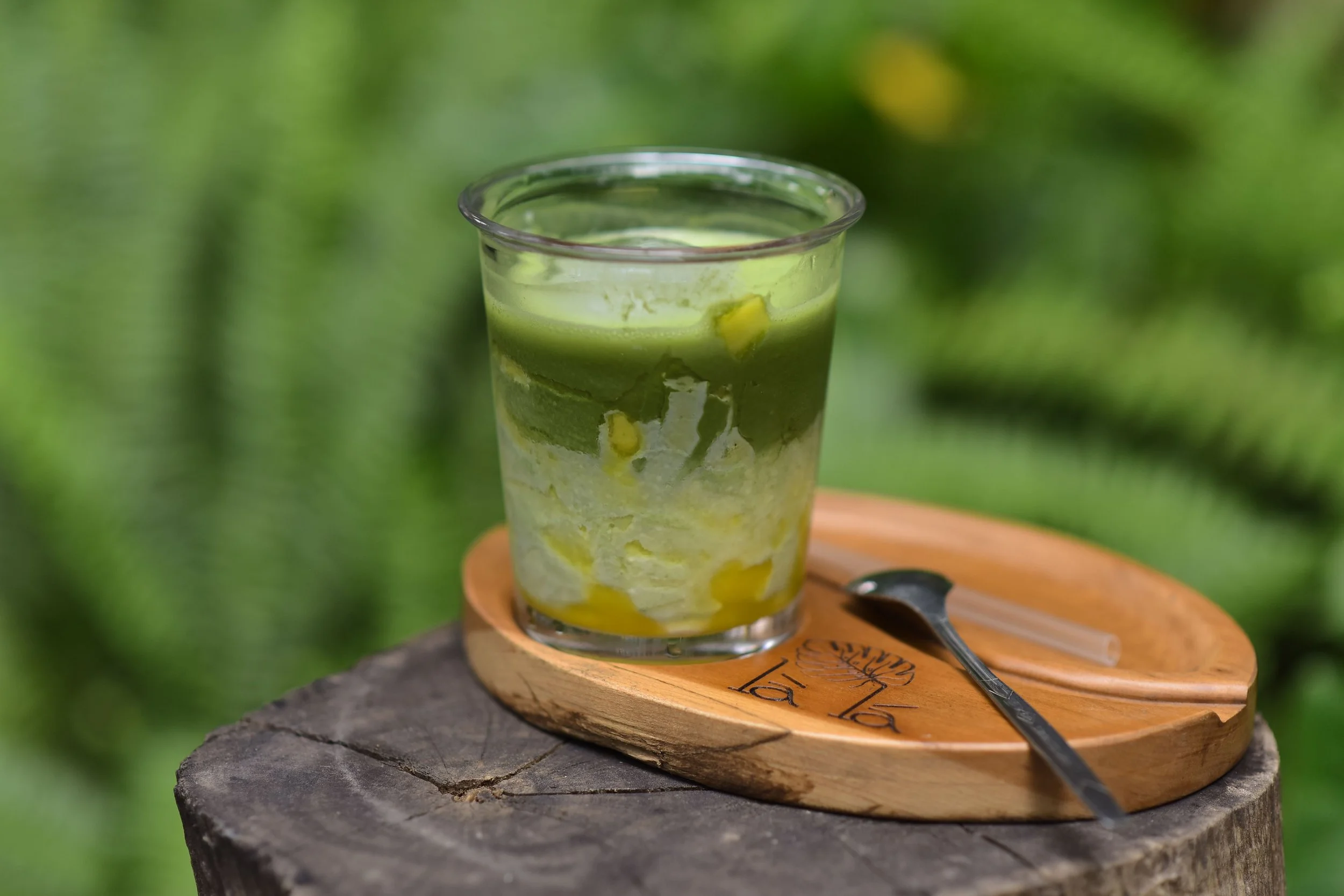
On the other hand, Matcha, once largely confined to Japanese tea ceremonies and specialty cafés, has become one of the fastest-growing categories in American coffee shops. Starbucks first introduced the Matcha Tea Latte nationally in 2006 before expanding its offerings with seasonal releases such as the Lavender Cream Oatmilk Matcha in 2024. Independent cafés competed with strawberry matcha, mango matcha, blueberry matcha, banana pudding matcha, and ceremonial-grade matcha whisked to order. Blank Street Coffee has built a whole empire on selling matcha to teens. For younger consumers, matcha is a source of caffeine but a badge of wellness, aesthetics, and sustained energy, thanks to its naturally occurring L-theanine.
As expected, social media is the accelerator of everything. Drinks are content now too. TikTok is filled with creators reviewing seasonal launches, testing "secret menu" orders, comparing local coffee shops, and filming elaborate drink-making routines that garner millions of views. The beverage experience also extends beyond what's inside the cup. Stanley tumblers, once marketed primarily as insulated drinkware, became a cultural phenomenon after going viral, spawning an entire aftermarket of straw toppers, cup charms, carrying bags, and decorative accessories. For many consumers, buying the drink and styling how it's carried have become part of the same social experience (or social experiment of overconsumption, as some see it).
Fast-food chains have also sniffed profits in specialty beverages, affordable luxuries for teens. In 2023, McDonald's launched CosMc's, a beverage-focused concept serving colorful drinks such as the Sour Cherry Energy Burst, Churro Cold Brew Frappé, Turmeric Spice Latte, and popping-boba refreshers. Taco Bell has pursued a parallel business strategy through Live Más Café, offering Dirty Baja Blast, Agua Refrescas, Churro Chillers, specialty coffees, and fruit-forward beverages designed to compete with coffee chains as much as traditional fast-food rivals. Beverages are now one of the restaurant industry's highest-margin categories, since they are inexpensive to produce, highly customizable, and encourage repeat visits, making them especially attractive to consumers embracing the "little treat" mentality even during periods of economic uncertainty.
It isn’t just a matter of taste. America's beverage industry, worth hundreds of billions of dollars annually, is being reshaped by generational priorities. Health, social media, affordability, sustainability, and the desire for experiences over habits are influencing what ends up in consumers' cups. On a commercial level, newcomers are racing to keep up while legacy companies are adapting to avoid disappearing. Consumers increasingly expect choices that fit their identities, values, schedules, and lifestyles.
