

Elixir Edit: Umami On The Rocks: The Fifth Taste Behind The Bar
Westend61
One of the most important innovations in modern cocktails might be soup or seaweed. A bowl of dashi, dried-scallop congee, roasted mushroom, marmite, and Parmesan cheese has surprisingly little in common. Yet for generations, chefs have known that some of these most satisfying foods share an invisible quality: a lingering savoriness that spreads across the tongue and enlarges and completes other flavors.
In 1908, Japanese chemist Kikunae Ikeda became fascinated by this “glutamate” phenomenon, and he isolated the compound responsible from kombu seaweed broth. He called the sensation umami, a fifth taste distinct from sweet, salty, sour, and bitter. More than a century later, bartenders have grown increasingly obsessed with the same question that captivated Ikeda: what if drinks could harness the same flavor chemistry that makes food irresistible?
For most of the twentieth century, cocktails were designed around contrast, where sweet fought bitter, citrus sliced through sugar, and spirits imbued the liquid with strength. Today’s most ambitious bartenders and connoisseurs are just as interested in depth. Still, instead of asking how to make a drink brighter or stronger, they are toiling to figure out how to make a martini seem richer and rounder without dumping cream, sugar, or additional alcohol.
The solution often comes from ingredients historically associated with kitchens rather than bars. Consider kombu, the foundational stock of Japanese cuisine. Steeped briefly in gin or vodka, it does more than contribute a hint of salinity. As alcohol extracts naturally occurring glutamates and minerals from the seaweed, it introduces a subtle umami quality that rounds sharp edges and lengthens flavors already present in the spirit. The effect of kombu is rarely perceived as a distinct taste, like bass frequencies that one does not consciously hear. It softens harshness and amplifies botanical and citrus notes that might otherwise fade quickly. Some bars now maintain fermentation chambers alongside liquor inventories, treating microbial cultures and culinary techniques as essential tools in the pursuit of flavor.
Others cultivate koji, the mold responsible for sake, miso, and soy sauce production. Perhaps one of the most influential organisms in modern drinking culture, it is sometimes called Japan’s “national fungus.” By releasing enzymes that break down starches and proteins into sugars and amino acids, it simultaneously releases bursts of umami and sweetness. Bartenders increasingly use koji to transform ingredients ranging from rice to fruit, producing more complete flavors than their raw counterparts.
Rice itself has undergone a remarkable transformation behind the bar. Archaeological evidence suggests humans were fermenting rice beverages nearly 9,000 years ago, making rice alcohol among the oldest alcoholic drinks ever produced. For much of Western cocktail history, rice remained largely invisible. Yet today, rice-based spirits are helping redefine how bartenders approach texture.
Rice-based vodkas, such as Haku, have gained popularity among bartenders seeking a unique balance of starches and a silkier alternative to traditional grain vodkas. Distilled from Japanese white rice and filtered through bamboo charcoal, Haku retains trace characteristics of its raw material that distinguish it from many wheat- or corn-based vodkas. Rice starches are first converted into fermentable sugars before distillation, producing a spirit that exhibits a softer mouthfeel reminiscent of steamed rice and cream. The bamboo charcoal filtration further removes harsher congeners while preserving texture. For bartenders, these qualities make Haku particularly valuable in more aromatic cocktails, allowing the spirit to act as a blank canvas to carry delicate ingredients such as tea, fruit, or umami-rich infusions without overwhelming them with the sharper alcoholic edge.
If wine enthusiasts speak reverently about terroir, tea lovers may have them beat. Tea is, chemically speaking, a toolbox. A single tea leaf contains hundreds of volatile aromatic compounds. Depending on altitude, oxidation, harvest timing, and processing techniques, those compounds can evoke toasted grains, orchids, seaweed, honey, stone fruit, smoke, or roasted chestnuts. What many bartenders have come to realize is that tea can perform many of the same functions as wine, vermouth, or bitters while introducing entirely new layers of tannin and aromatics. A splash of roasted hojicha can add depth to a whiskey cocktail. Delicate jasmine tea can transform a gin sour. Genmaicha, a Japanese tea blended with roasted rice, contributes nutty, savory, and uniquely satisfying flavors while staying lower-proof.
Part of this shift can be traced to a broader cultural obsession with food. Diners no longer just consume meals, and menus now tell more stories about farms, heirloom ingredients, and regional traditions. The same curiosity has spilled into drinking culture, where some clarify tomato water for cocktails and draw sesame oil tinctures, and others try out mushroom-infused whiskey and miso-washed bourbon.
While these ingredients may sound unusual and revolutionary, they serve the same purpose that salt serves in cooking, and their growing popularity only reflects a larger shift in how restaurants operate. Increasingly, chefs and bartenders collaborate from the beginning of menu development rather than working independently. A chef experimenting with black garlic may share ingredients with the bar team, while a bartender extracting essences of cascara or sea buckthorn may inspire a dish in return. Some restaurants even maintain fermentation programs that supply both the kitchen and the bar.
The relationship makes practical sense. Both professions now rely on many of the same techniques of infusion, preservation, smoking, and ingredient sourcing. Beneath the novelty of these spirits lies ancient traditions. Humans have always flavored alcohol with local ingredients and looked for ways to transform ordinary agricultural products into something memorable. The only difference is that today’s artists have access to centuries of culinary knowledge, global ingredients, and an audience eager to try almost anything.
What links toasted rice distillates and tea-based cocktails behind the bar is beyond a mere taste for savory ingredients. It is a pursuit of the phenomenon Ikeda identified when he first isolated glutamate from kombu—the realization that certain compounds can fundamentally alter how flavor is perceived. Sugar can make a drink sweeter, and salt can sharpen or accentuate existing flavors, but neither can replicate the sense of depth and fullness that umami creates. More than a century after Ikeda gave umami a name, bartenders are still exploring its possibilities by reaching for mushrooms and seaweed, using it not as a novelty but as a tool for more resonant cocktails.
For those looking to adventurously elevate their home bar with unexpected flavors, these five bottles below offer an accessible introduction:
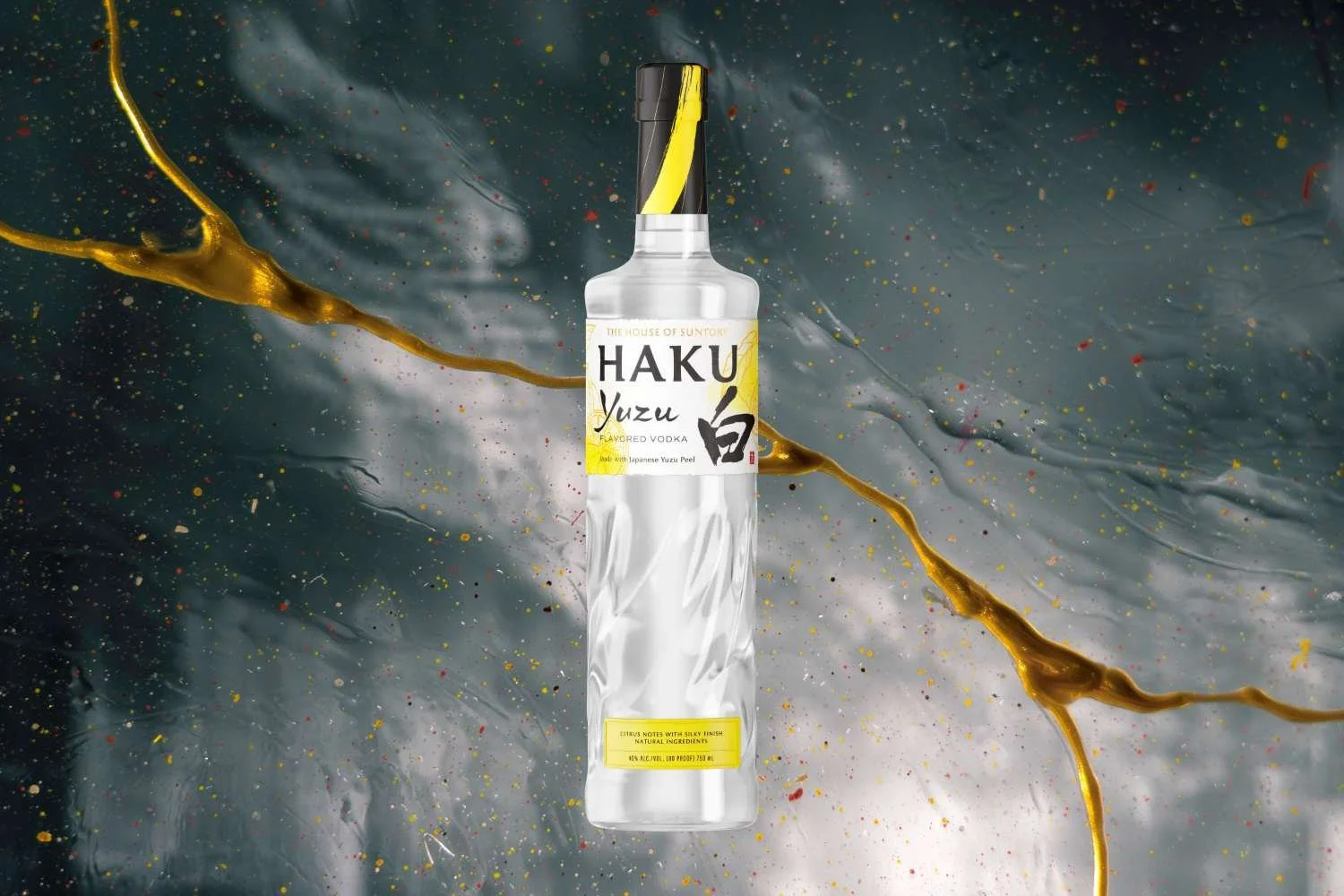
Haku Yuzu Flavored Vodka (750 mL, $31.99)
Bright yuzu citrus, delicate floral notes, and a silky rice-derived texture make this vodka an excellent foundation for spritzers and refreshing citrus-forward martinis.
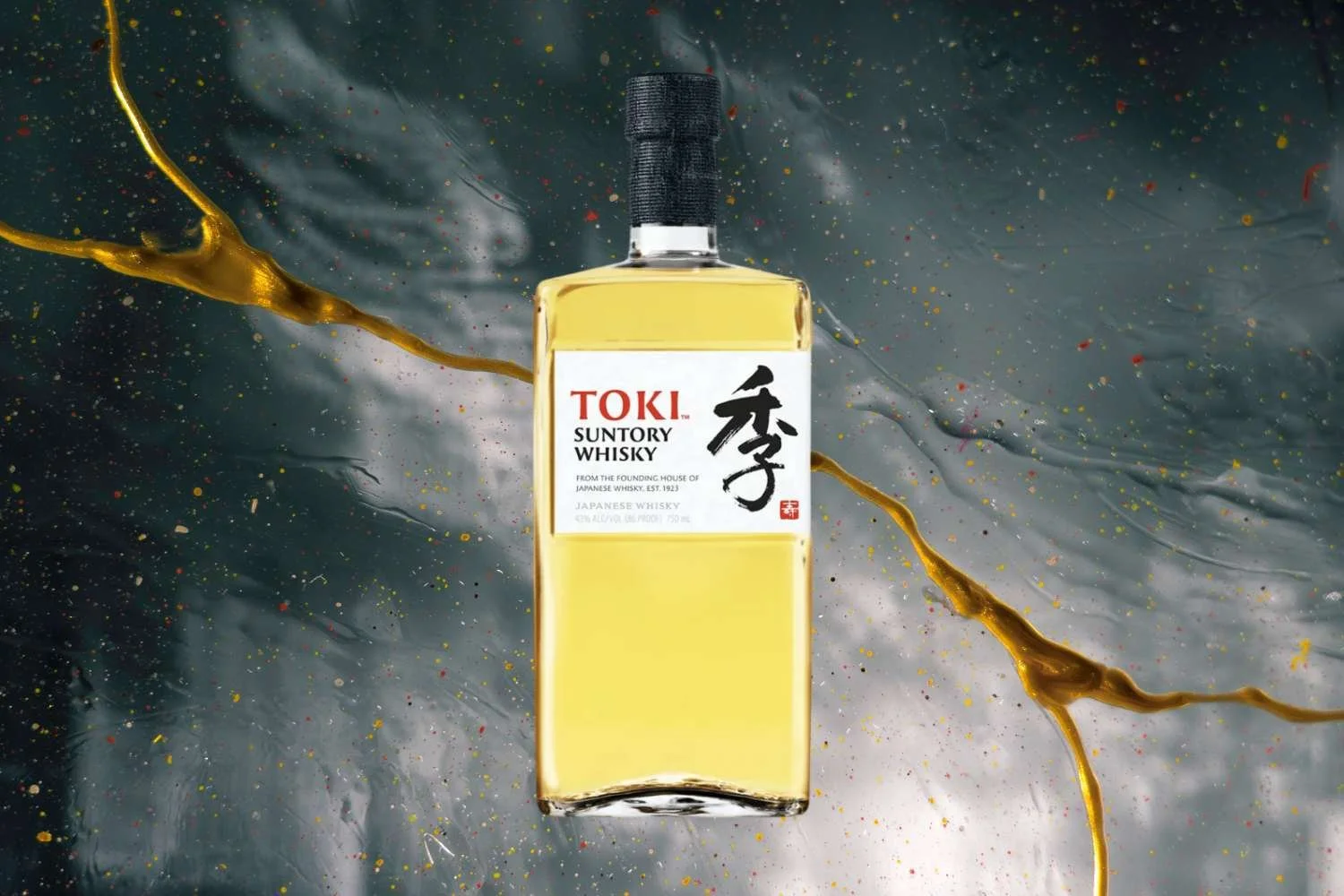
Suntory Toki Whisky (750 mL, $27.99-$45.99)
With notes of green apple, honey, vanilla, and a subtle hint of spice, Toki shines in whisky highballs where its light, crisp character remains front and center.
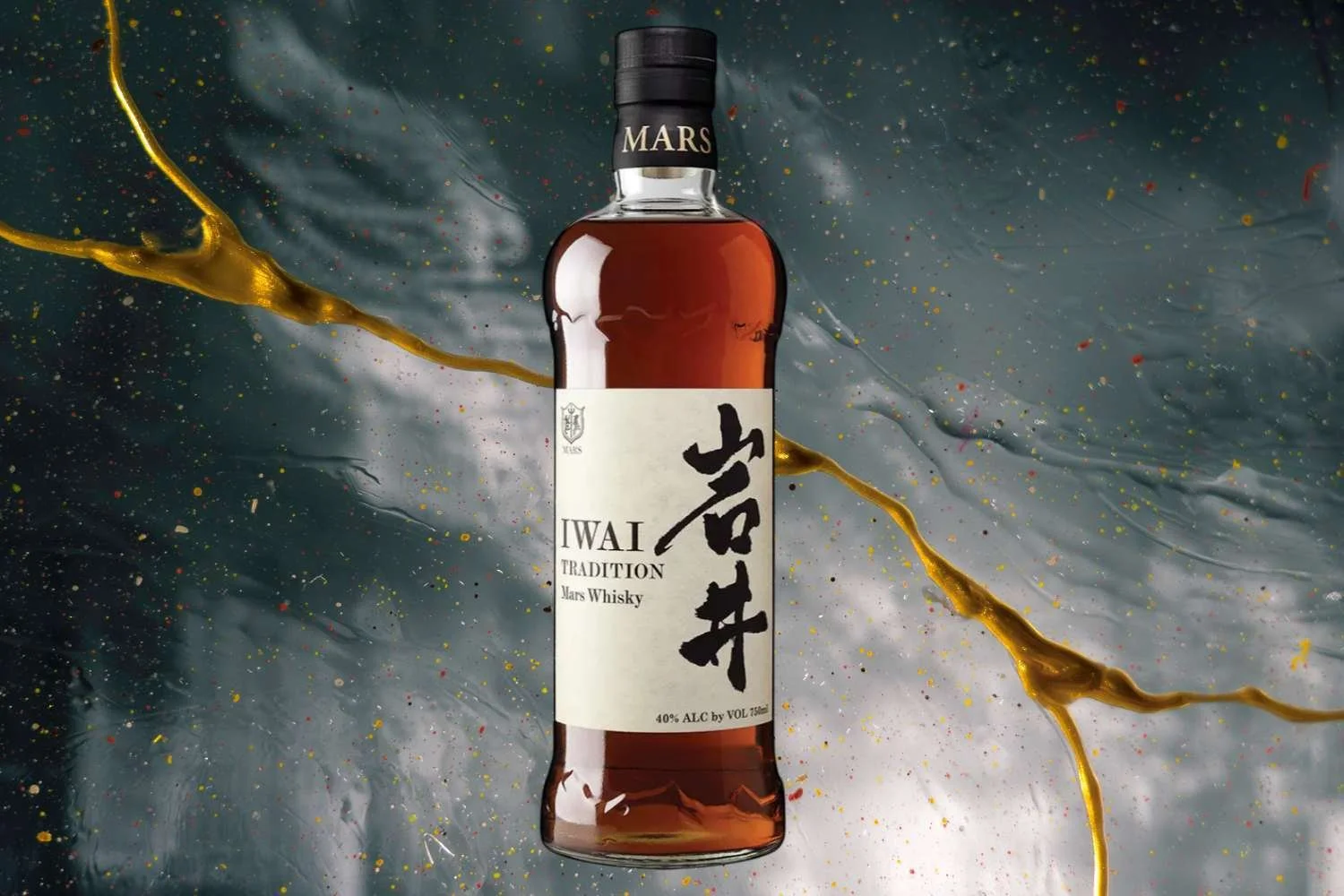
Iwai Tradition Whisky (750 mL, $56.99)
Layered with flavors of caramel, toasted oak, baking spices, and dried fruit, this versatile blend works equally well sipped neat or as the backbone of an elevated Old Fashioned or Manhattan.
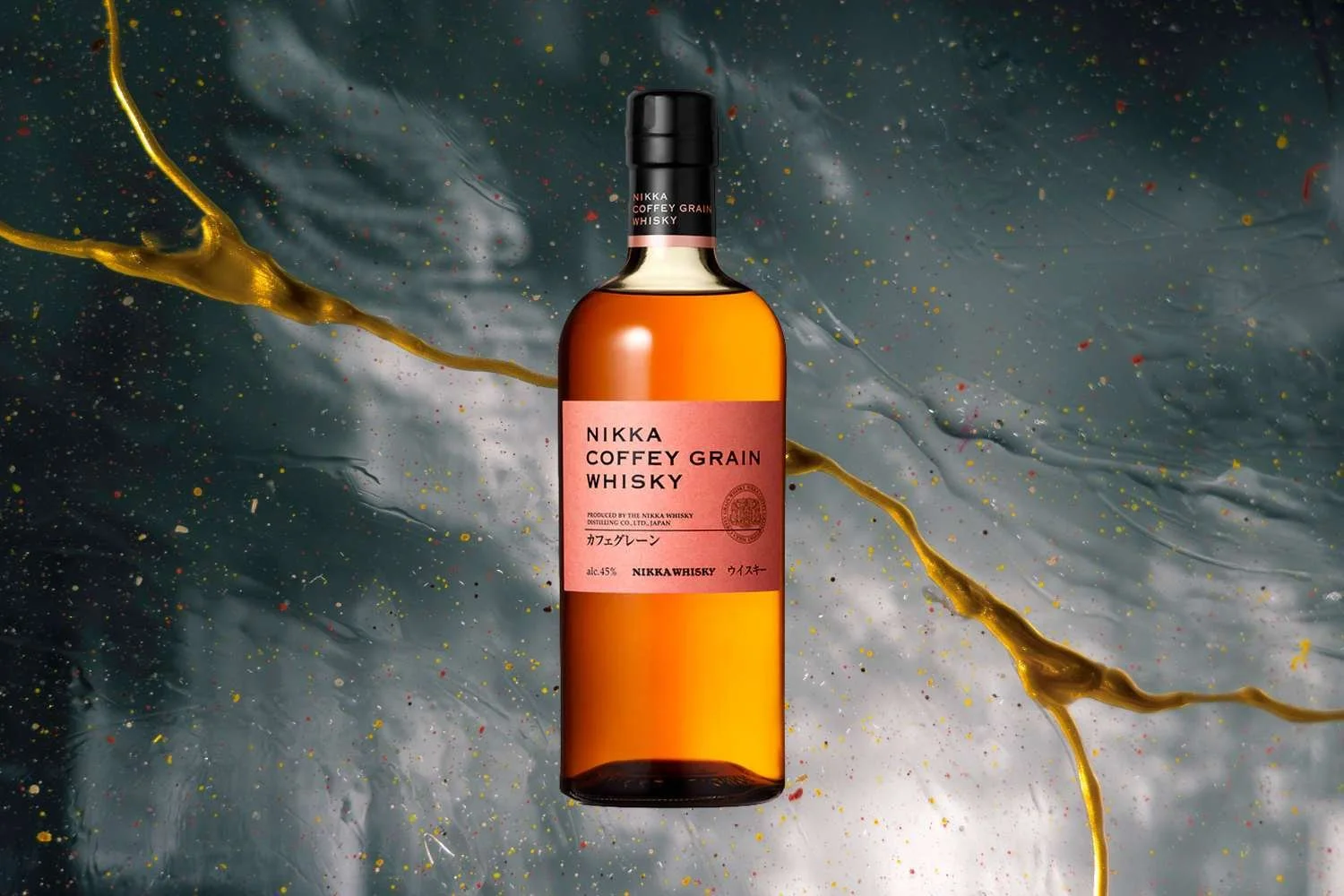
Nikka Coffey Grain Whisky (750 mL, $49.99-$71.99)
Rich and velvety with pronounced notes of vanilla custard, caramel, tropical fruit, and sweet baking spice, it may excel in spirit-forward cocktails, including Boulevardiers and Whisky Sours.
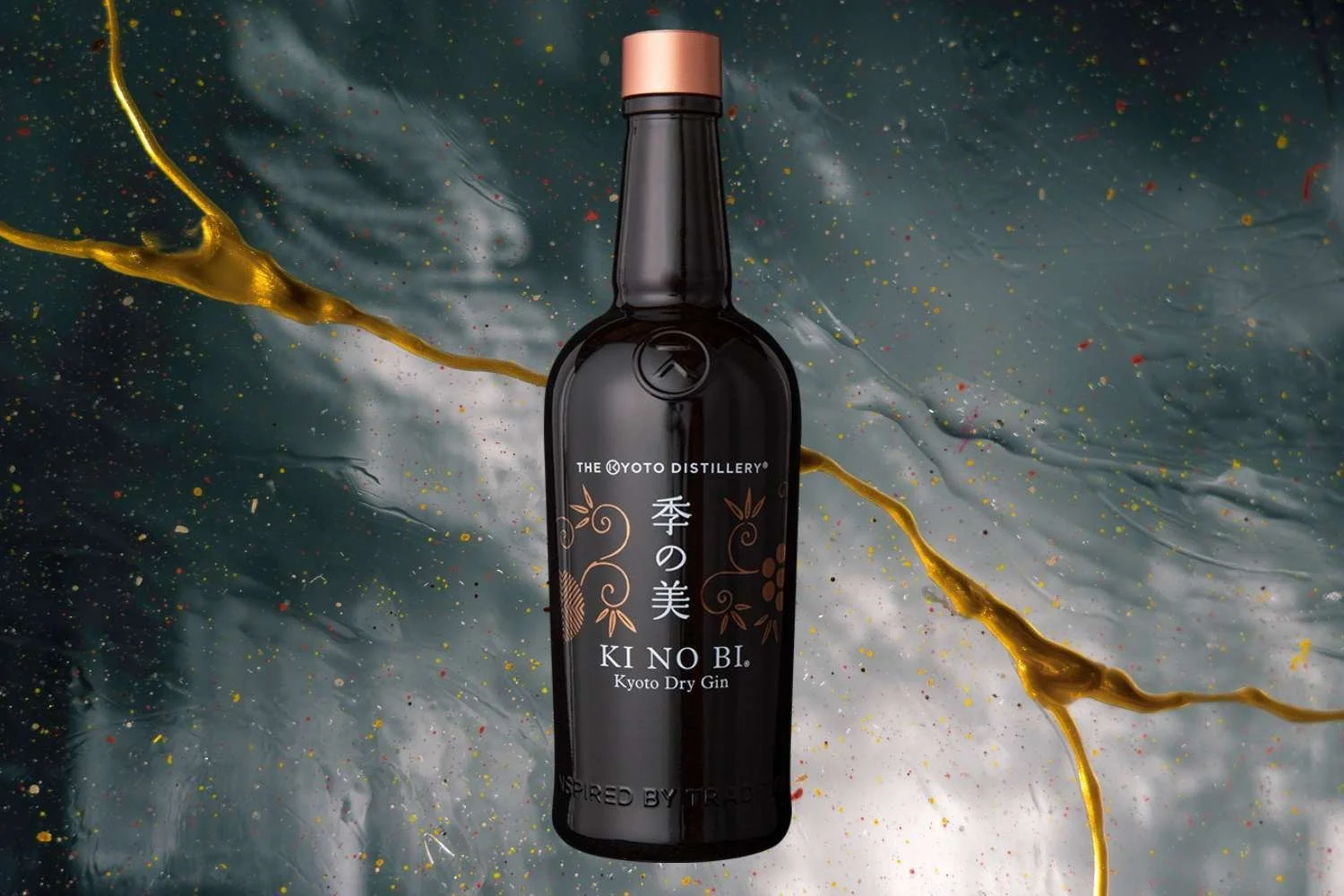
Ki No Bi Kyoto Dry Gin (700 mL, $74.99)
Built around yuzu, gyokuro tea, sansho pepper, and other botanicals, this gin is particularly compelling in martinis, gin and tonics, and tea-inspired cocktails.
