

Futurist: Beyond The Smartphone: Rabbit R1 And The Rise Of AI Companions
There was a time when every new piece of technology promised something new: more apps, more notifications, more screens, more ways to stay connected. For years, progress felt directly tied to expansion. Phones became larger, faster, and increasingly central to daily life. They absorbed the functions of cameras, calendars, music players, maps, and computers until carrying a smartphone began to feel like carrying an entire digital world in your pocket.
Now, something interesting is happening. The newest wave of technology seems less interested in adding more expansion and instead interested in removing various elements. The Rabbit R1 exists somewhere within that shift.
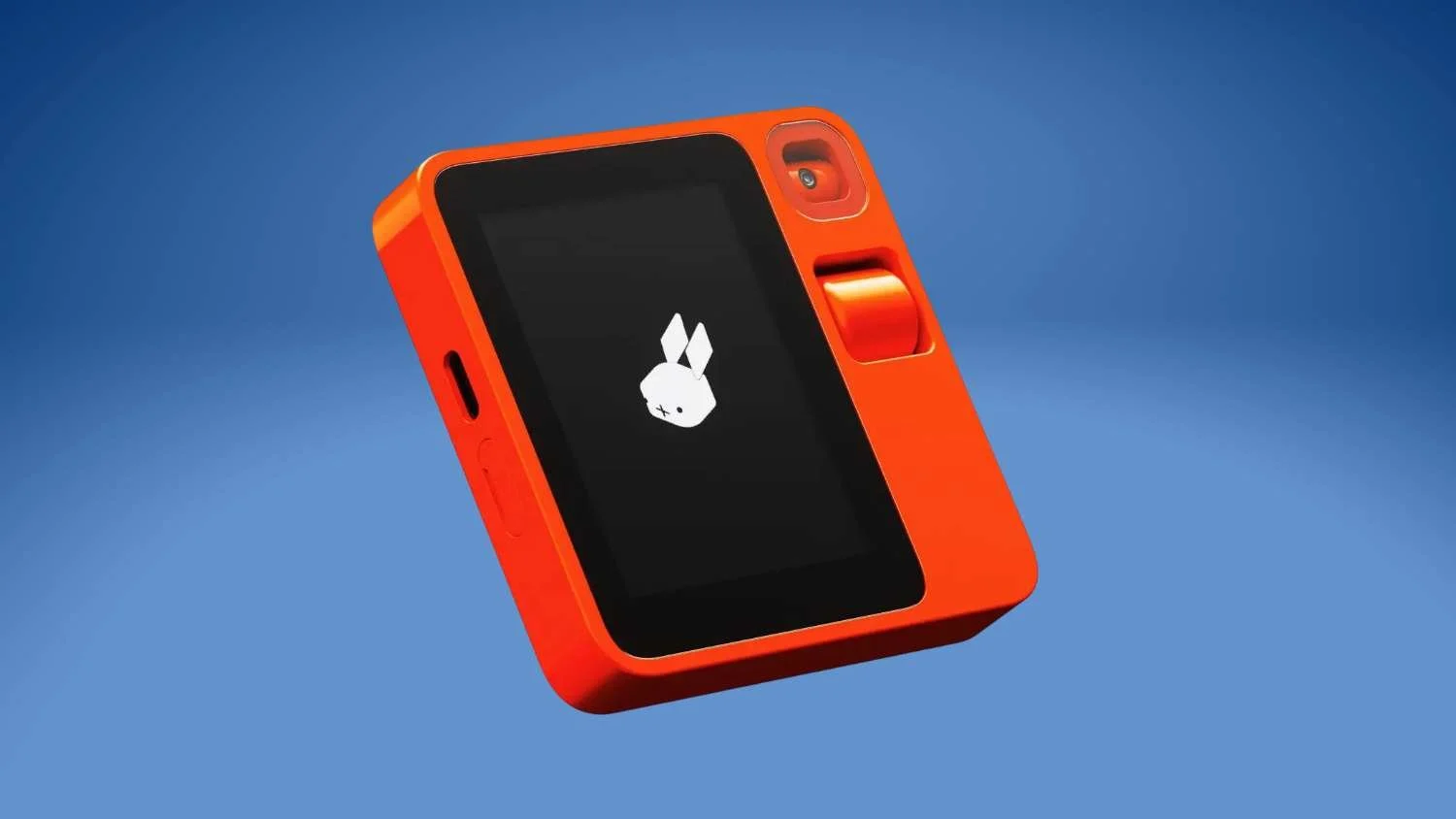
Part AI assistant and part experiment in human behavior, the Rabbit R1 is a compact, voice-driven device designed to rethink how people interact with technology. Created by Rabbit and co-designed with Teenage Engineering, the small bright-orange device arrived with unusually large ambitions: a future where users speak naturally to technology rather than constantly tapping through apps and screens. But do we actually want more technology, or do we simply want technology to feel easier?
Imagine a typical weekday morning. You're rushing out the door with a coffee in one hand and a bag in the other. You need directions to a meeting downtown, want to know whether the rain will hold off until lunch, and remember that you still haven't added a reminder for an evening event. Normally, this means unlocking your phone, opening several apps, navigating menus, and inevitably getting distracted by notifications along the way. A device like the Rabbit R1 aims to streamline that process. Instead of navigating multiple interfaces, you simply ask. The appeal is not necessarily about doing more, but about accomplishing everyday tasks with less friction.
At first glance, the Rabbit R1 hardly resembles the devices that dominate modern life. It's compact enough to fit in a pocket, with a small touchscreen, a scroll wheel, a camera, and a push-to-talk button. Rather than opening individual apps, users communicate with the device conversationally. Ask it a question, request music, search for information, or complete tasks using voice interaction. The idea is built around Rabbit OS and a system designed to execute actions across services on behalf of the user. In theory, the concept feels surprisingly intuitive.
For years, digital interactions have required learning systems: where buttons live, how apps function, which menus lead where. The Rabbit R1 attempts to reverse that relationship. Instead of people adapting to interfaces, the interface adapts to people. You need only speak.
That simplicity is what makes devices like this feel culturally interesting. Not because they necessarily outperform smartphones, but because they suggest dissatisfaction with the way smartphones currently shape our lives. Screen fatigue has quietly become one of the defining feelings of modern life. We increasingly spend our days looking downward; hours disappear scrolling, switching tabs, answering messages, and moving endlessly between platforms. The smartphone may have solved countless problems but encountered a new one: constant attention.
The Rabbit R1 is a reaction to that. Increasingly, technology companies appear interested in creating devices that fade into the background rather than dominate it, such as AI companions, voice assistants, smart glasses, and wearable devices. Many share the same promise: reducing friction while demanding less visual attention. Industry observers have increasingly framed products like Rabbit R1 as part of a wider movement toward AI-first hardware beyond smartphones.
Psychologically, that desire makes sense. People rarely want technology for technology itself. They want what technology provides: convenience, speed, ease, connection. The ideal technology almost becomes invisible. It works without requiring effort. The Rabbit R1 aims for exactly that.
Of course, reality proved slightly more complicated. Early reviews questioned whether the device offered enough functionality to justify carrying a second device, and critics argued that many of its features could already exist within smartphones themselves. Some reviewers described the experience as unfinished or limited at launch, but emerging technology often begins that way. The first versions of products rarely matter as much as the behavior they introduce.
The commercial success of Rabbit R1 almost feels secondary to the larger idea it represents. Devices like this reveal a growing appetite for technology that feels less demanding and more conversational.
Perhaps what people increasingly want isn't another screen. Maybe they want something that feels closer to a companion. The Rabbit R1 may not fully define the future of technology. It may not replace smartphones. It may not even become mainstream. But it points toward something increasingly valuable: technology that feels more human. Right now, that possibility may be more interesting than the device itself.