

The Color of ‘American Vogue’: The Faces that have challenged fashion stereotypes throughout history
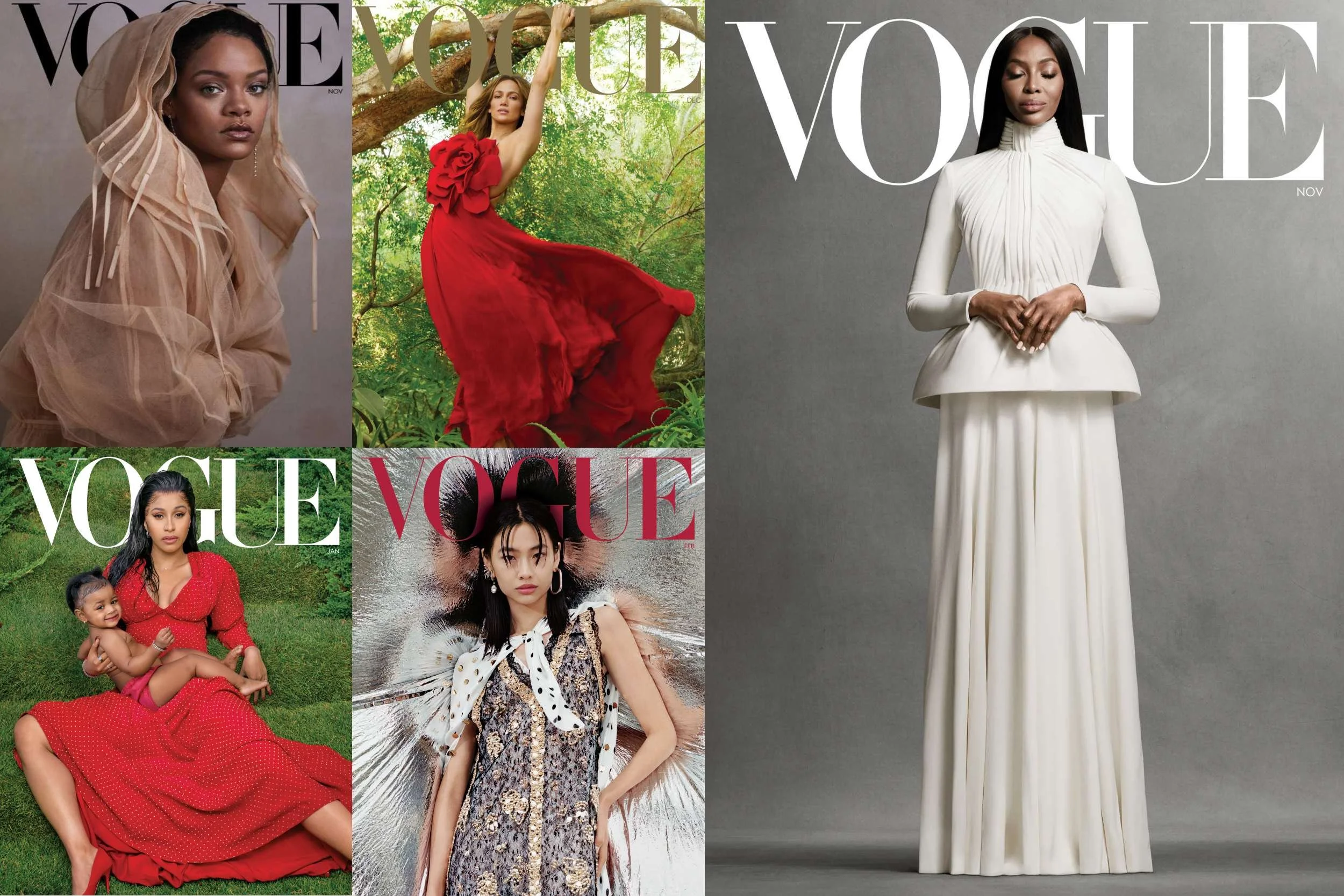
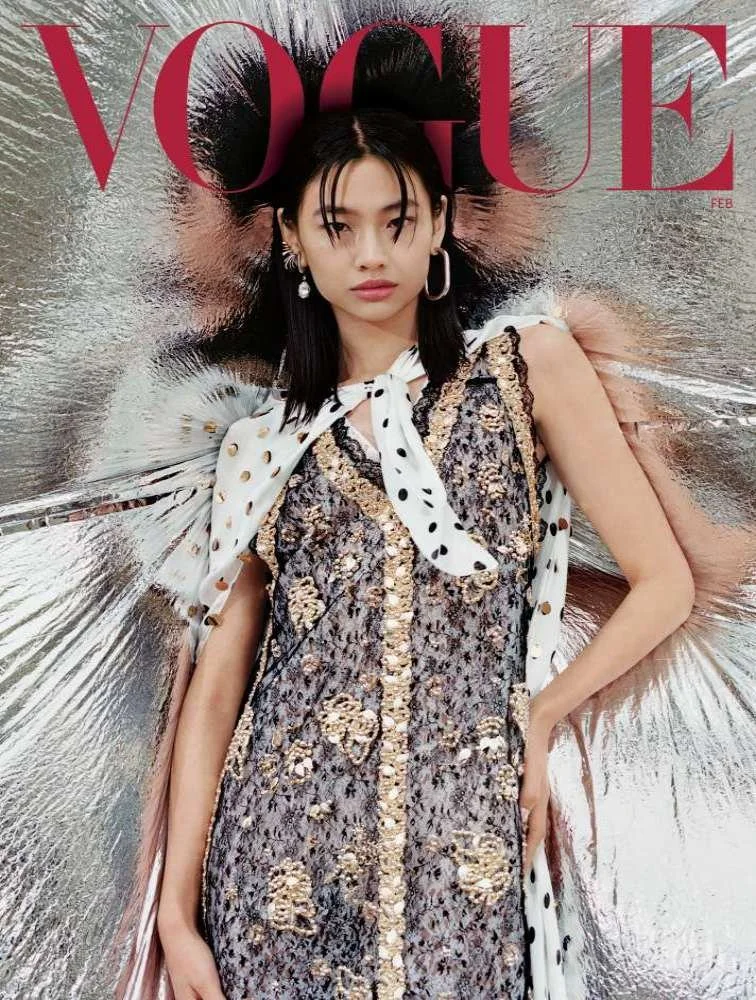
From top left to right: Rhianna, Jennifer Lopez, Cardi B, Jung Ho-yeon, and Nomi Campbell
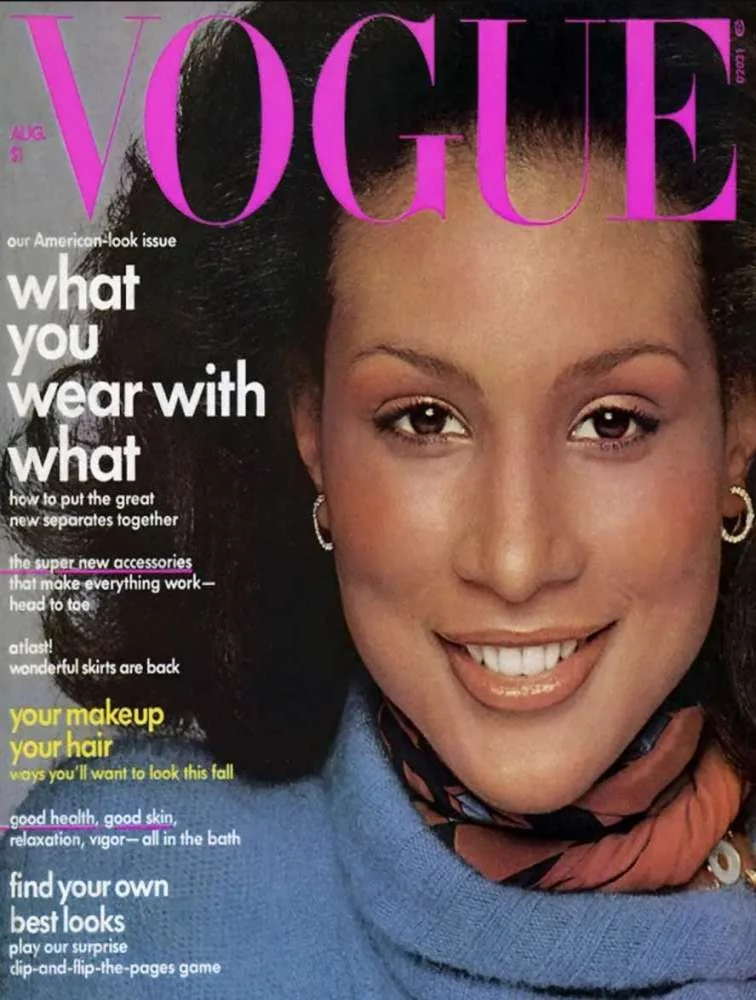
When readers across the United States woke up on August 1st, 1974, and approached the newsstand, they were met with an unfamiliar face: Beverly Johnson on the cover of American Vogue. For the first time in the American publication’s history, a Black woman was the face of Vogue. Photographed by Francesco Scavullo, wearing a blue angora cardigan and Bulgari diamond hoop earrings, with her hair swept back, the head-and-shoulders style photo of Johnson followed the typical Vogue cover format. But from that day on, something changed. She was the first person of color to grace the cover of American Vogue, completely changing the makeup and look of the fashion industry, not just in the United States but across the world.
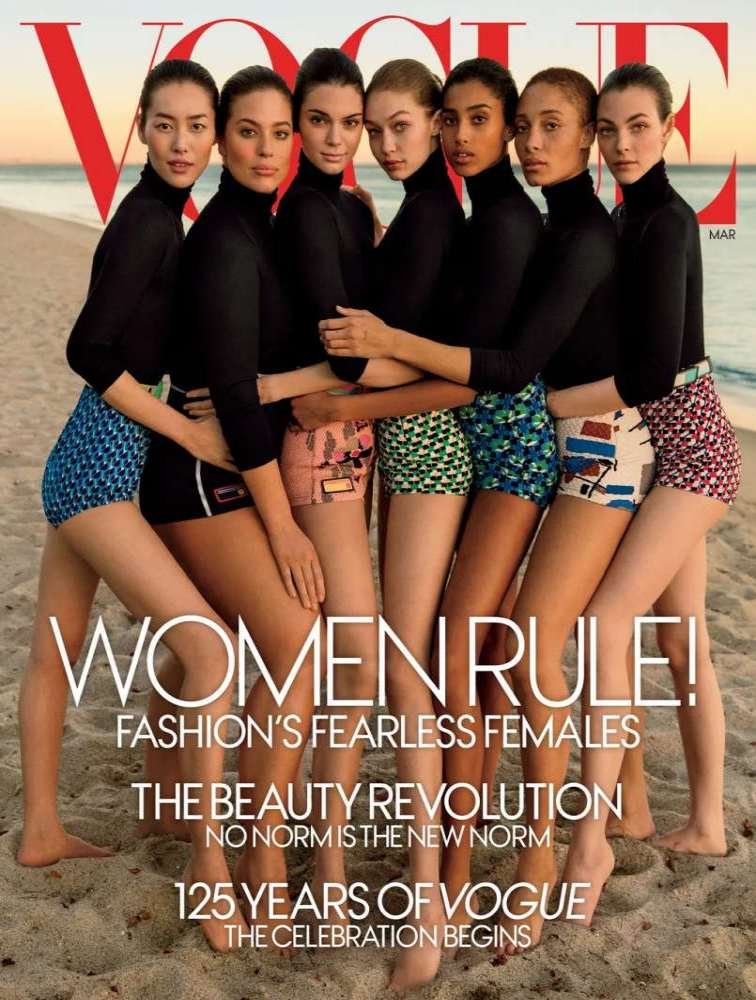
Cover models were never chosen just for vanity. Each woman who followed in Beverly Johnson's footsteps went on to build successful professional lives in the fashion industry, modeling, and beyond. Today, American Vogue features musicians, actors, athletes, activists, political figures, professionals, and men. While the disparity between the number of white and multiracial models is still large, some of the most distinguished and celebrated people of color and icons of modern culture have championed progress.
The Early Days of Cover Models
Beverly Johnson was featured on the cover three times. Before making history on the cover of American Vogue and French Elle, she appeared on the cover of Glamour in‘71, ‘72, and ‘74. Throughout her career, she has been featured on over 500 magazine covers. Johnson walked on runways for the likes of Yves Saint Laurent, Valentino, Calvin Klein, and Ralph Lauren, and contributed to breaking down racial barriers for models.
Before Johnson, the first Black model to appear on any major fashion magazine was Donyale Luna, who posed with half of her face covered in 1966 for British Vogue. However, half a face was not enough. By manifesting her Vogue appearance, Johnson’s image was a message to America's Vogue readers and boldly invited them to look her in the eyes and challenge her. The inclusion of people of color in mainstream beauty publications began to reflect the changing landscape of America’s consumers and the diverse population. Historical beauty standards that prioritized ethnocentric trends began to be dismantled, and the public’s perception of beauty changed. By featuring a Black model on the front cover, American Vogue truly embraced the end of a period of civil unrest.
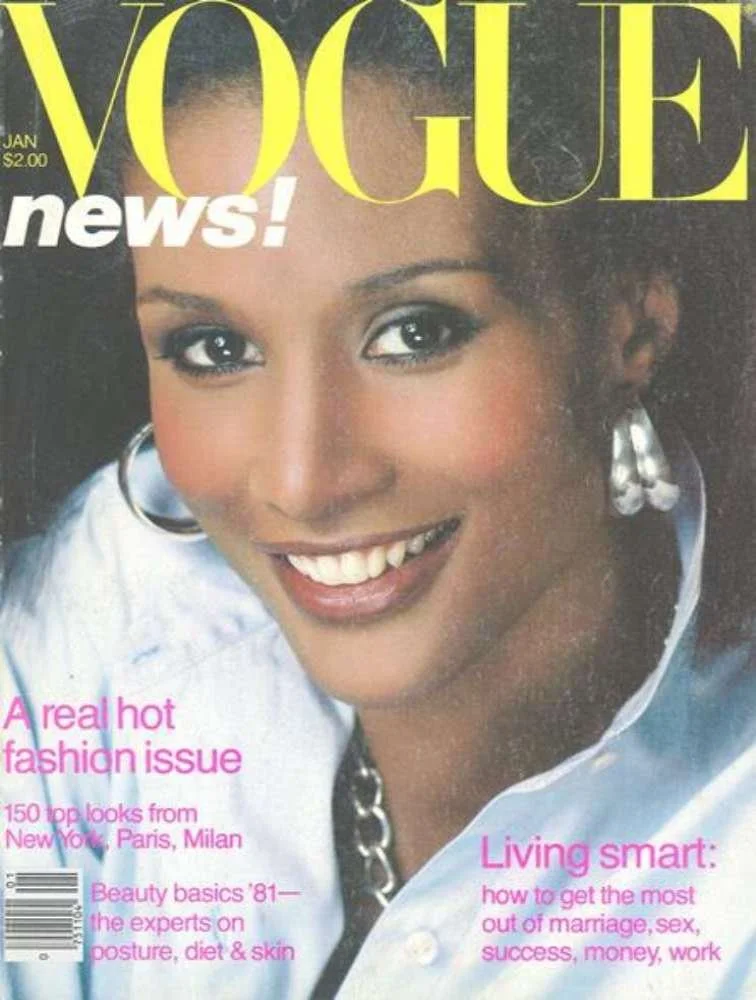
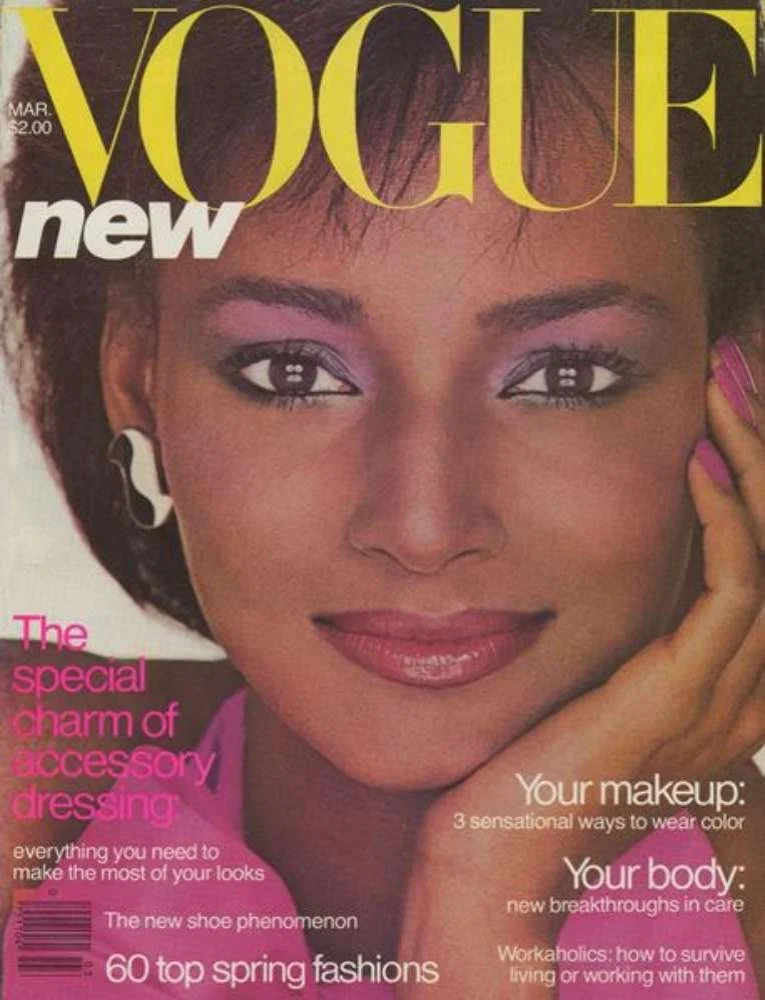
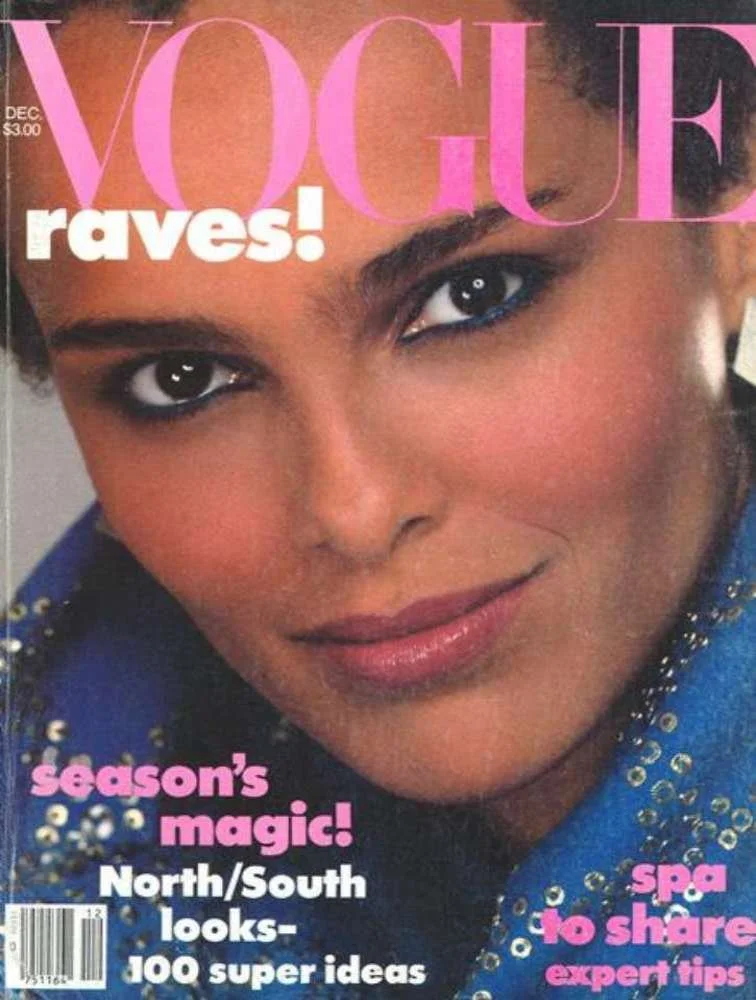
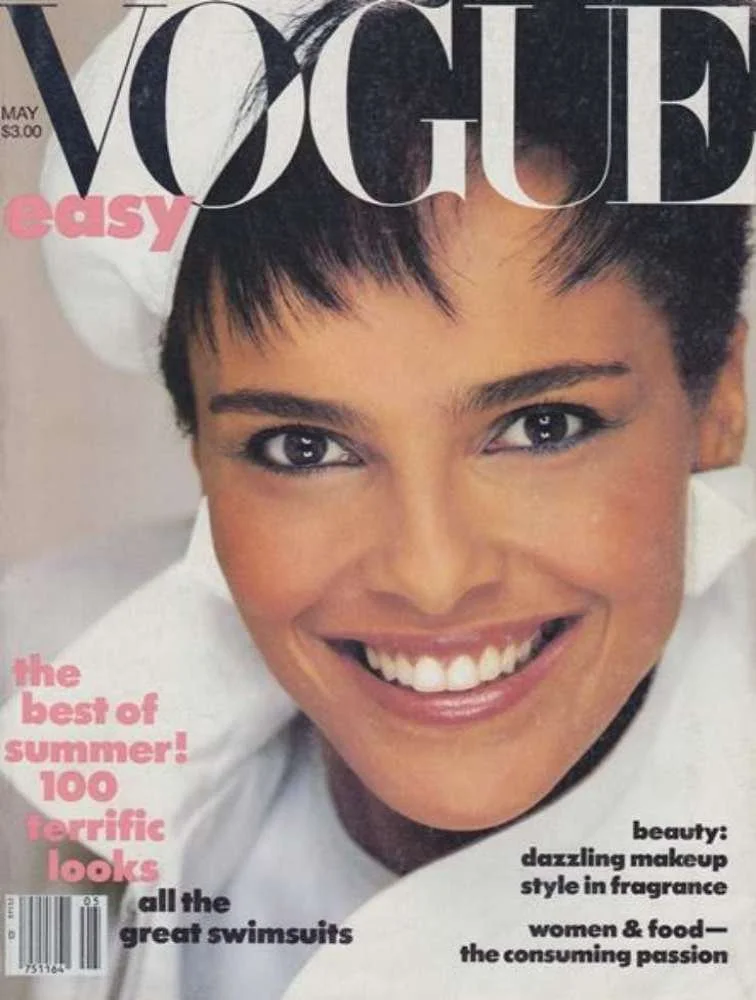
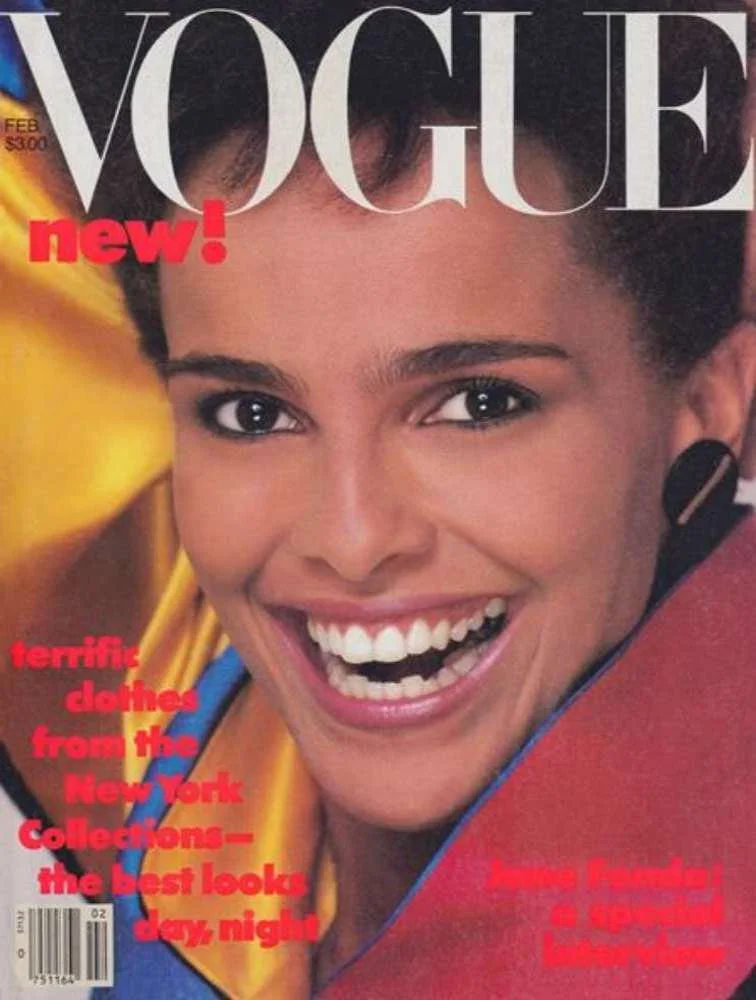
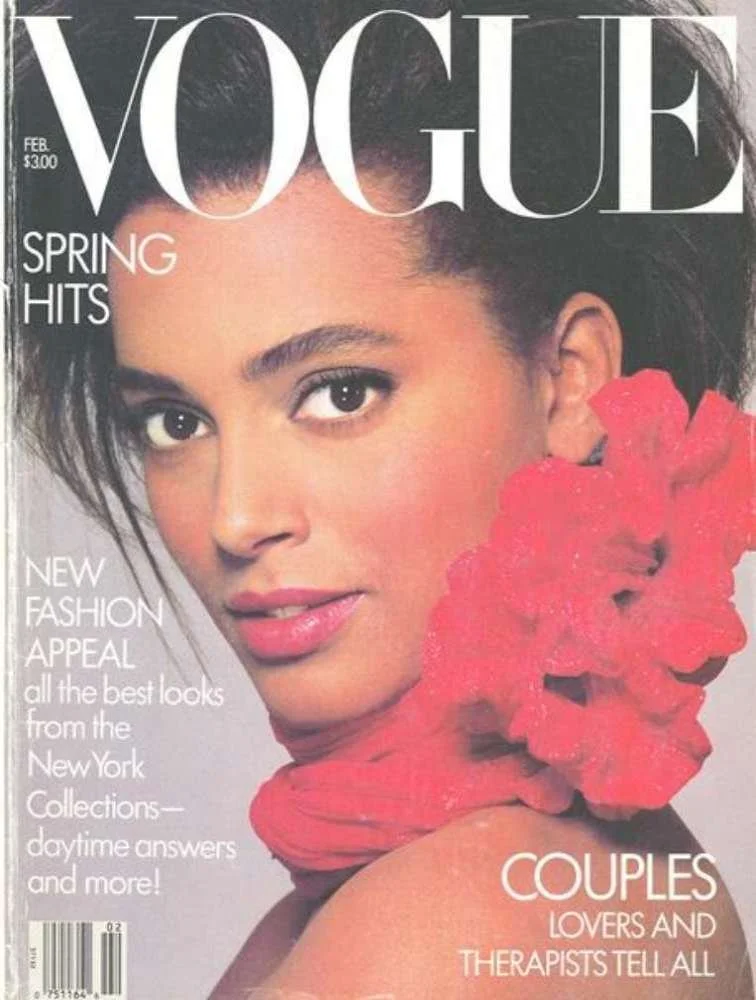
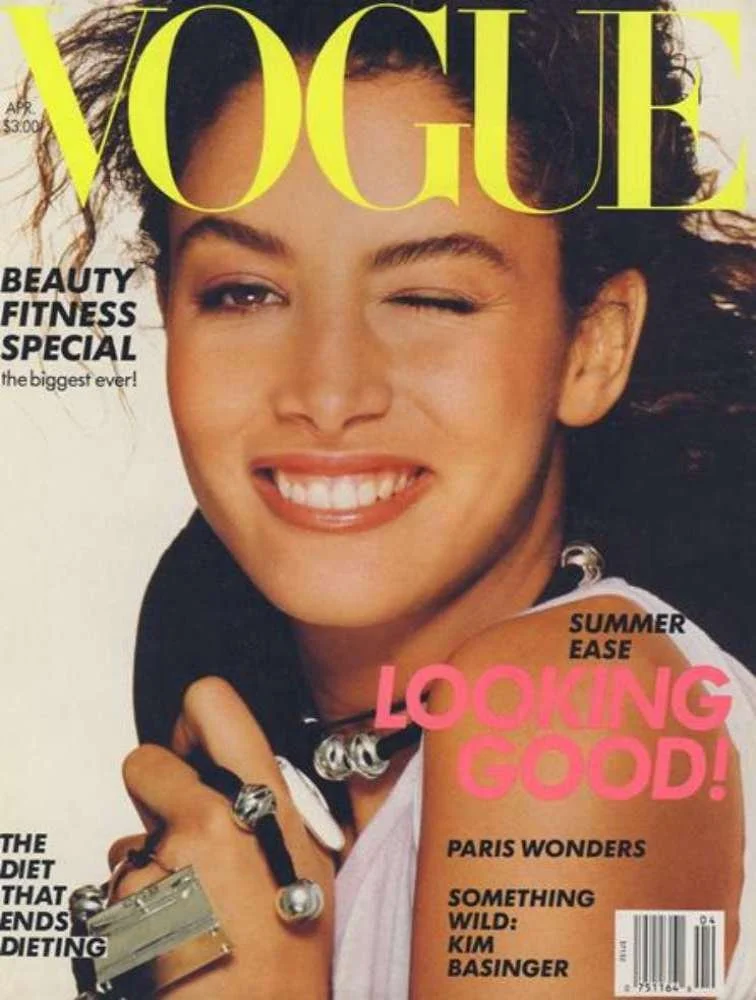
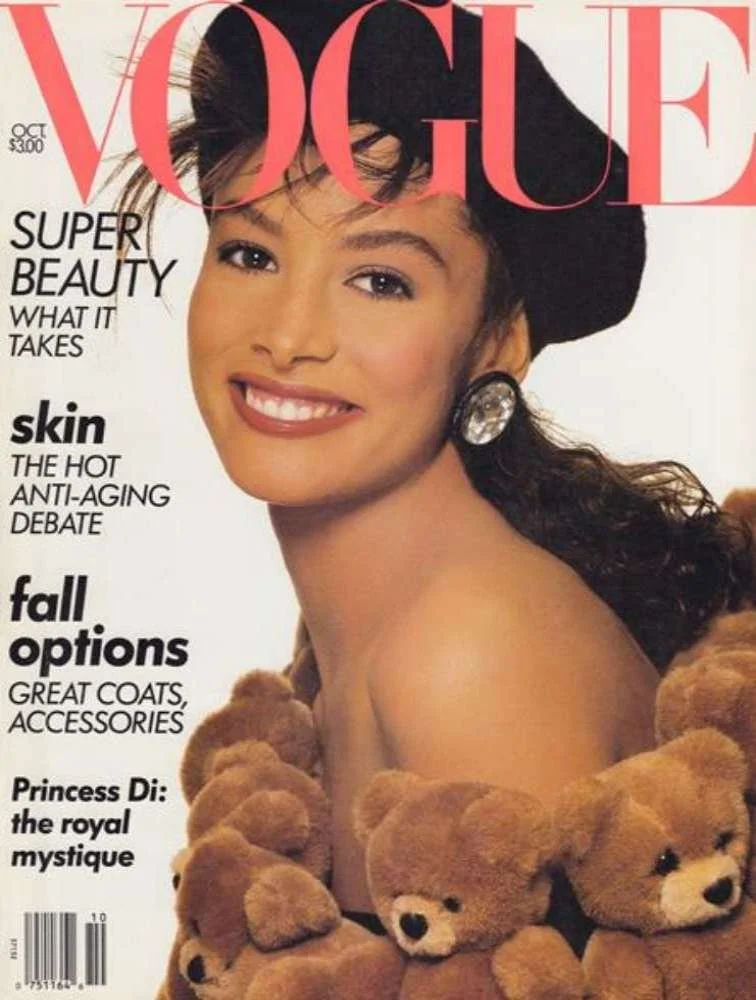
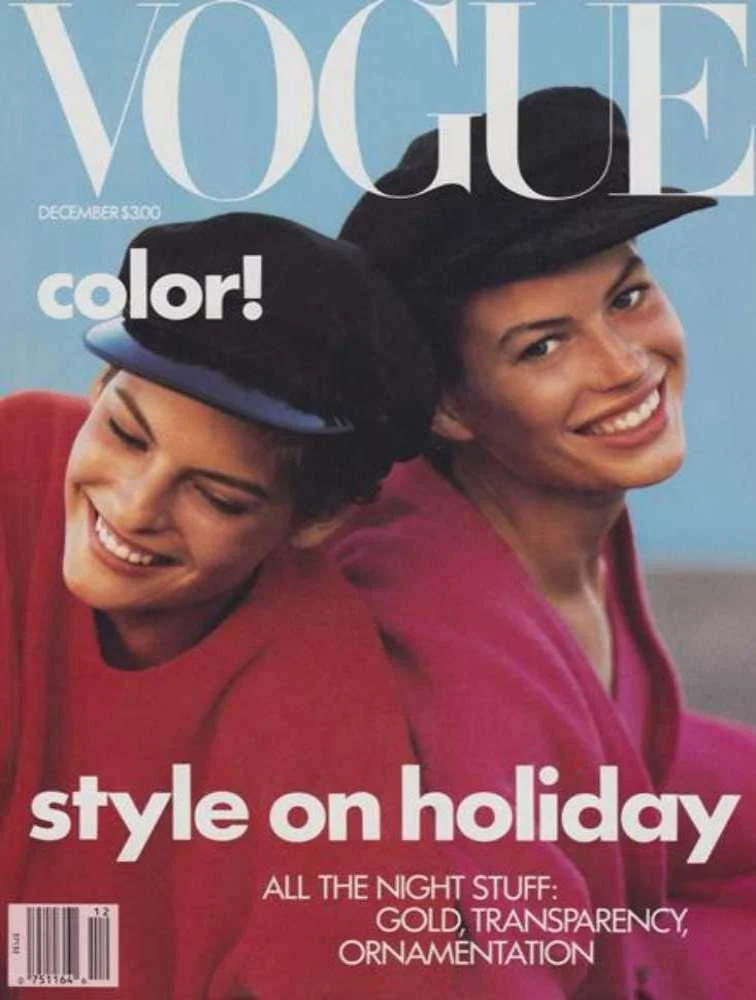
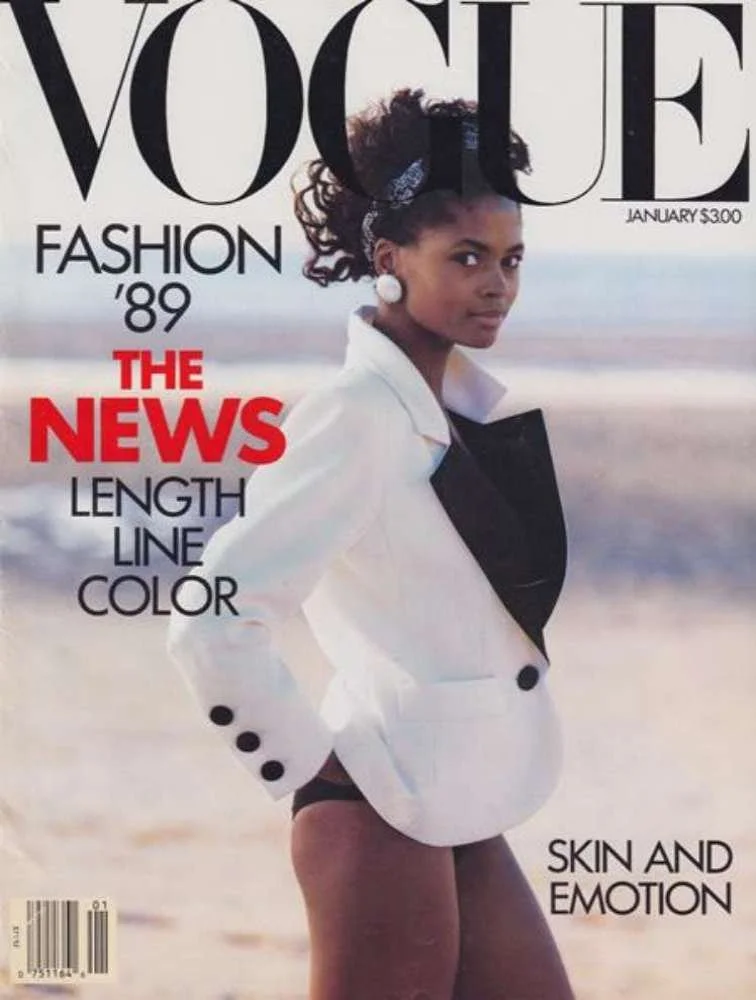
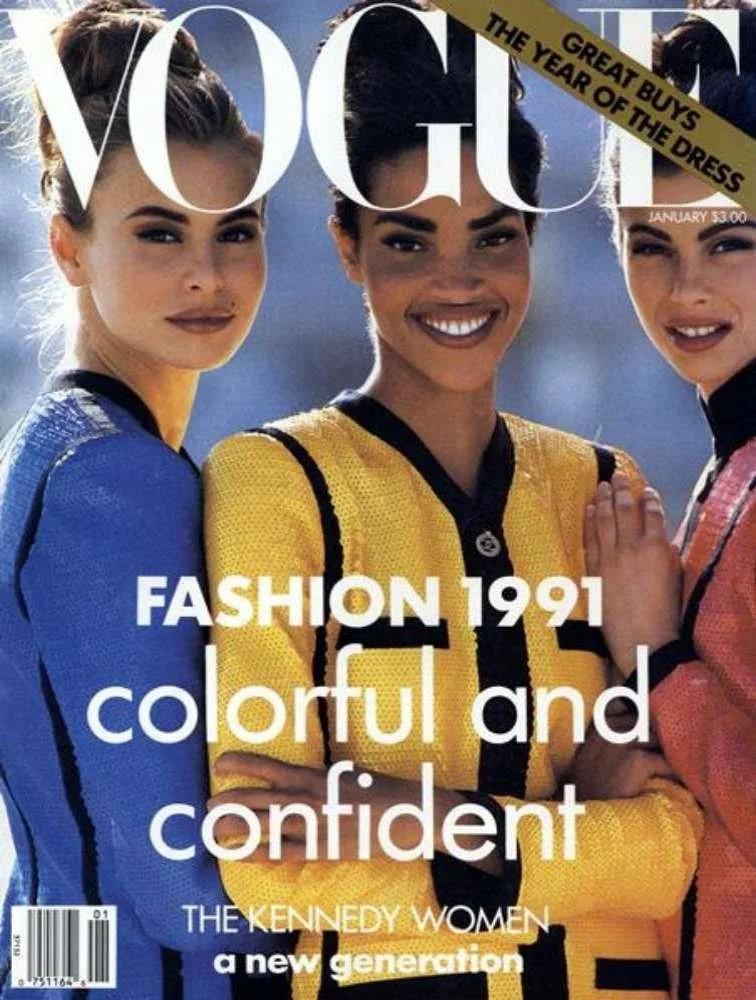
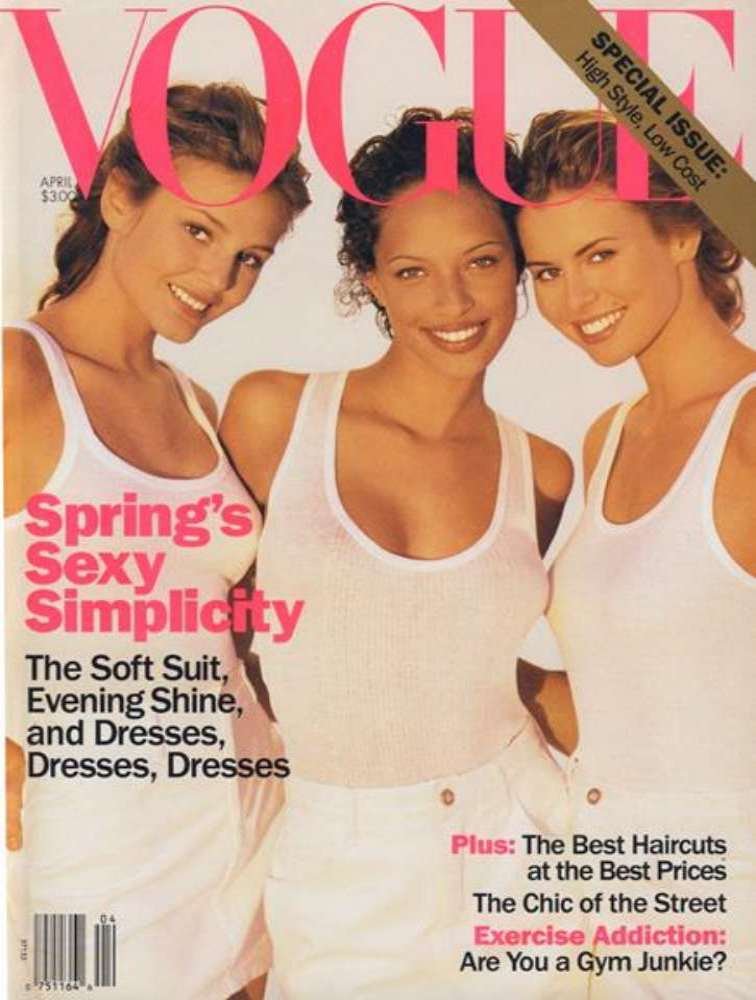
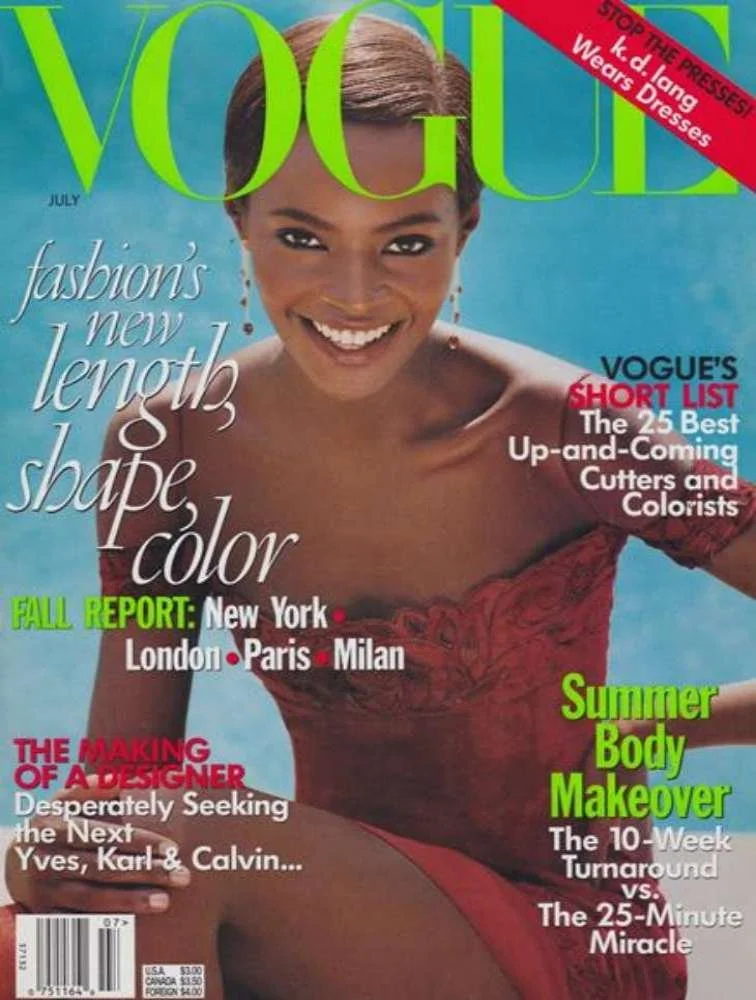
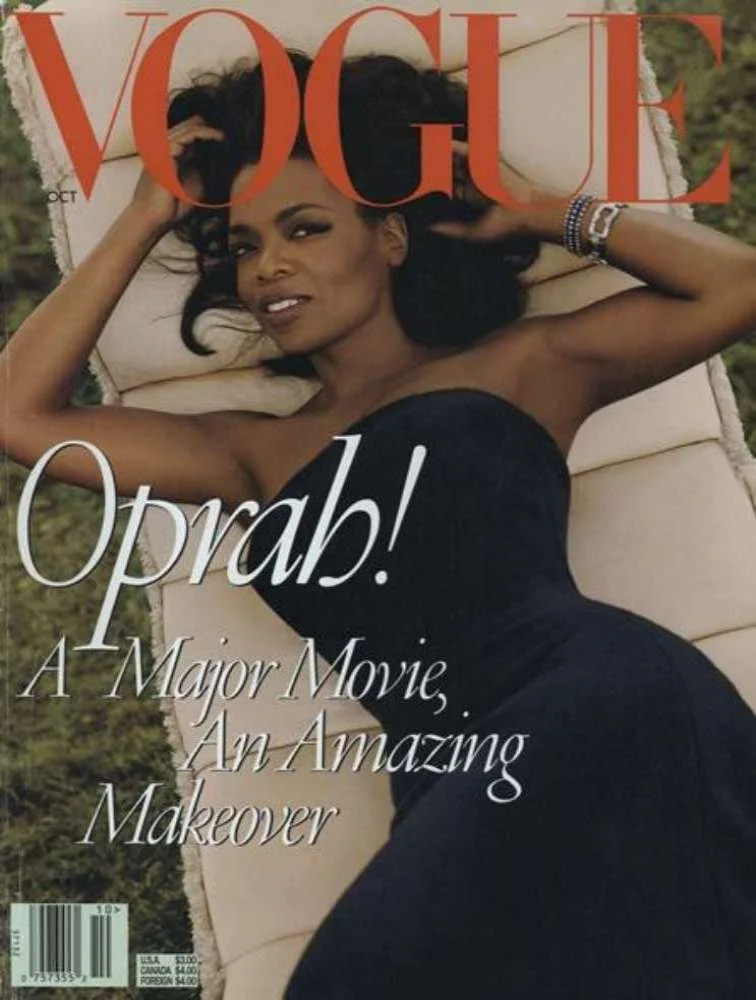
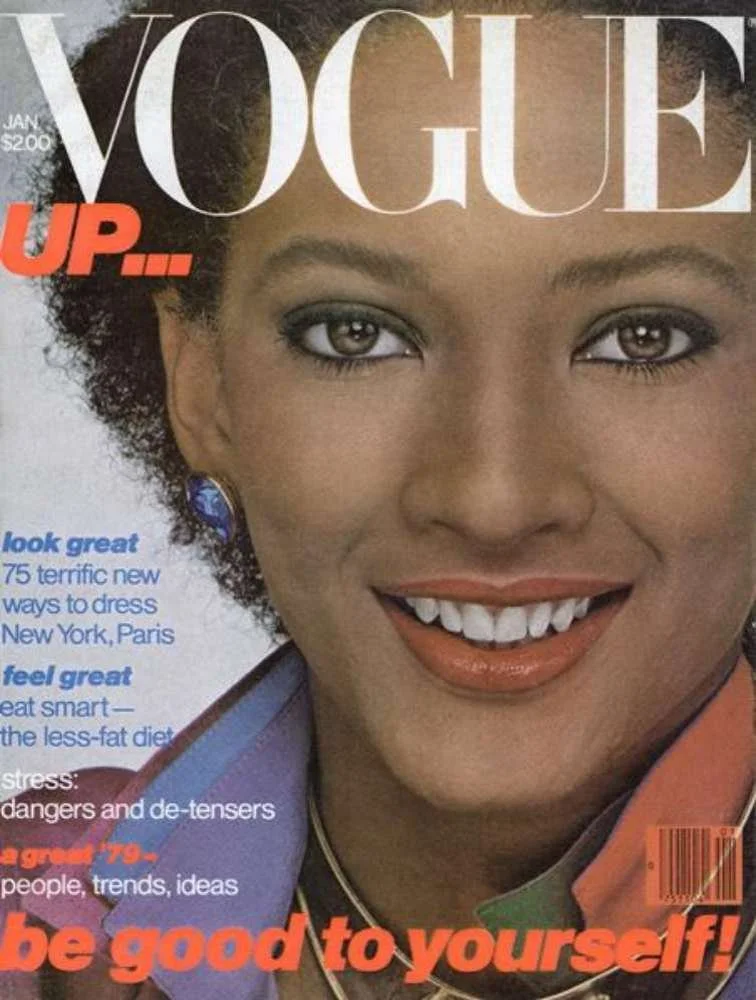
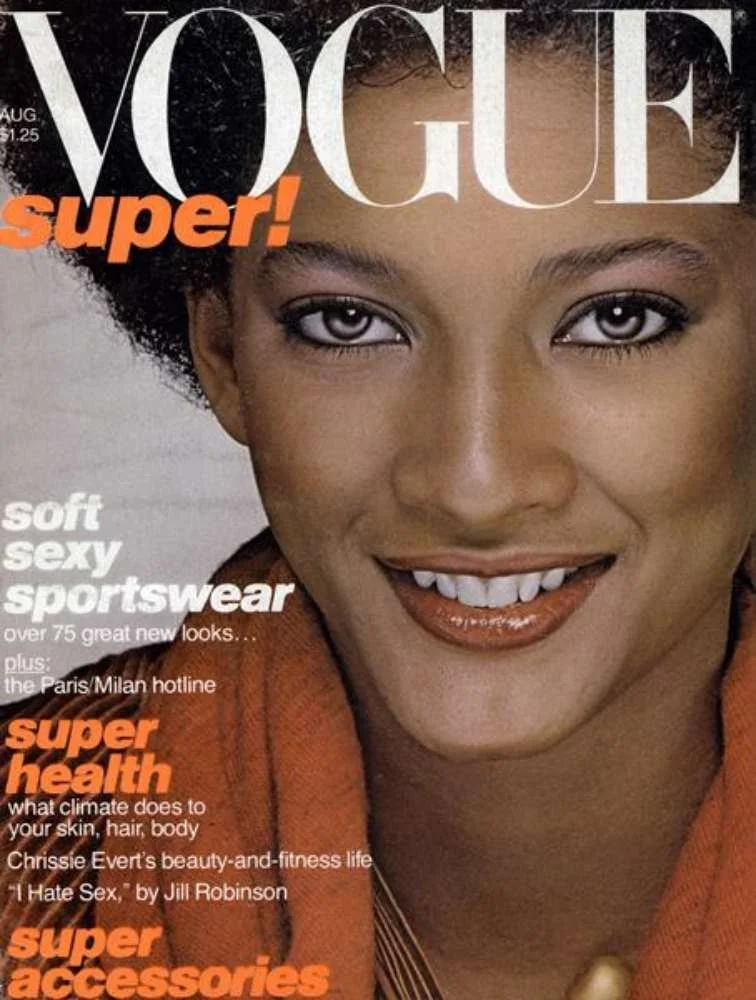
Peggy Dillard became the second African-American woman to grace the cover of Vogue in 1977 and 1979. Before being scouted, Dillard studied at Pratt Institute of Technology with a full scholarship, earning a bachelor's degree in fine arts with an emphasis on advertising, fashion merchandising, and marketing. Aside from being internationally renowned for her work in fashion, Dillard made waves in the beauty and black hair-care industry as the owner of one of New York City’s best black hair-care salons, Turning Heads Salon and Day Spa in Harlem.
Naomi Campbell is one of the most notable models of all time and has appeared on the cover of American Vogue 9 times, including the100th-anniversary issue. The British icon has featured on over 500 magazine covers and walked for major fashion houses, including Chanel, Christian Dior and Versace. Campbell was famously featured on Anna Wintour's first September issue in 1989, the first time a Black model appeared on the highly anticipated issue. September issues are among the most notable publications in the fashion world, typically the most voluminous of the year, and harness the momentum of shopping for the new season and wardrobe.
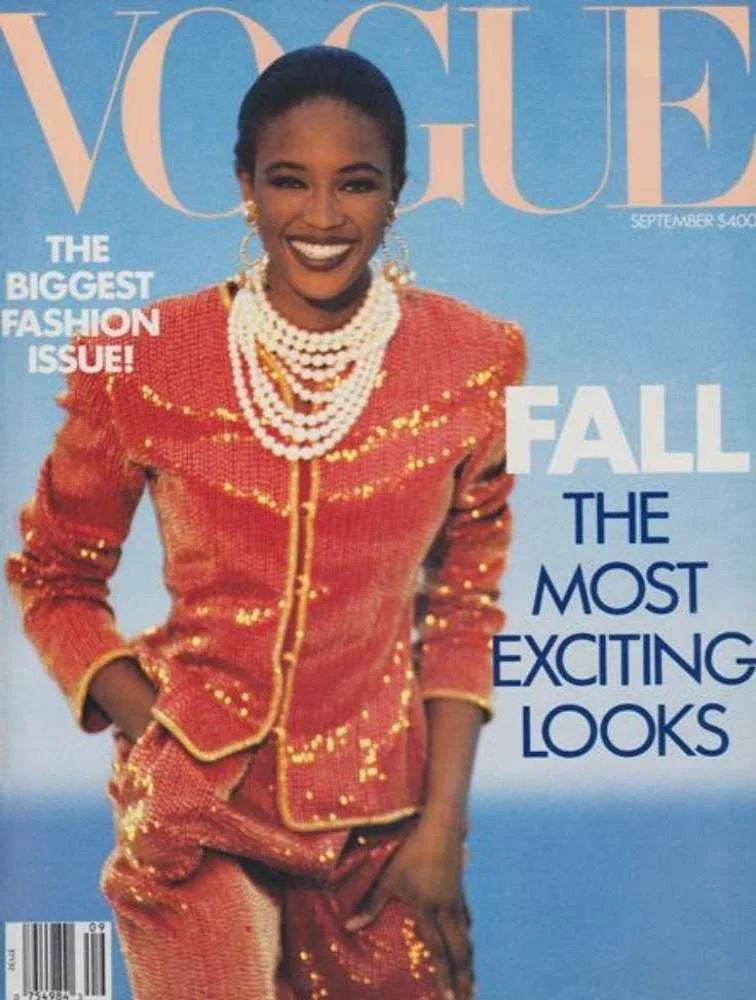
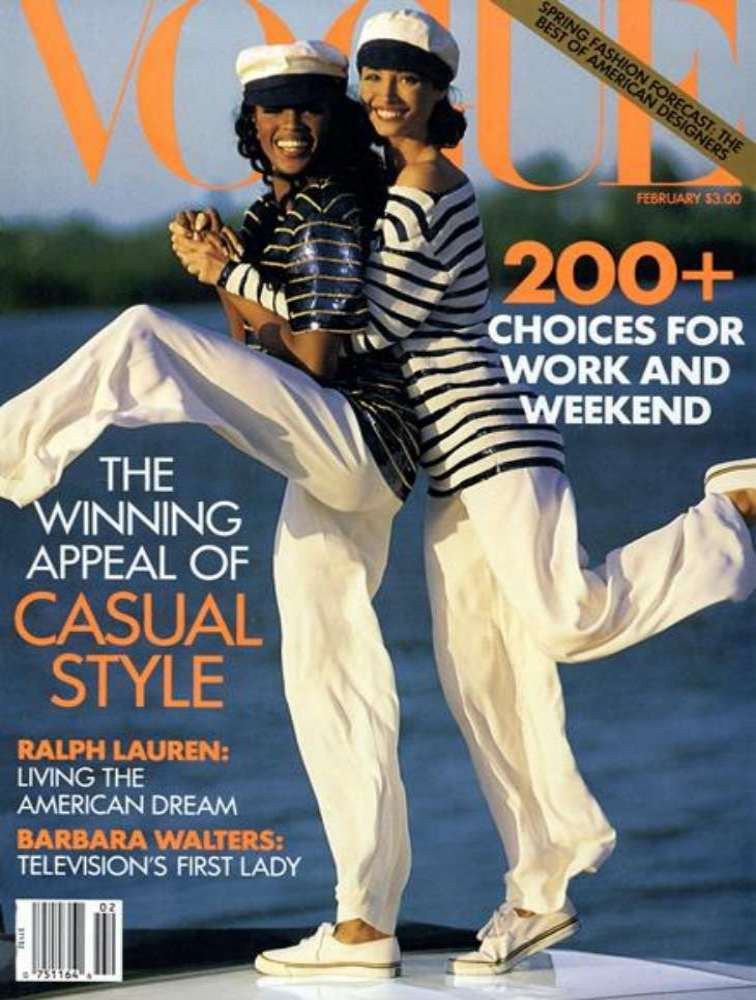
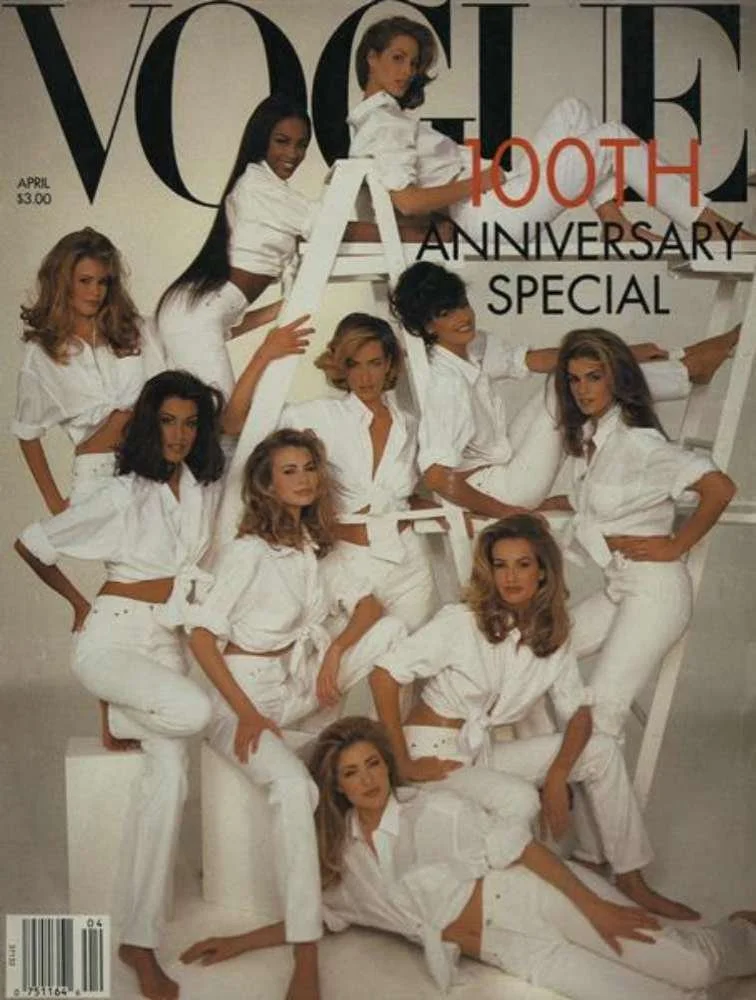
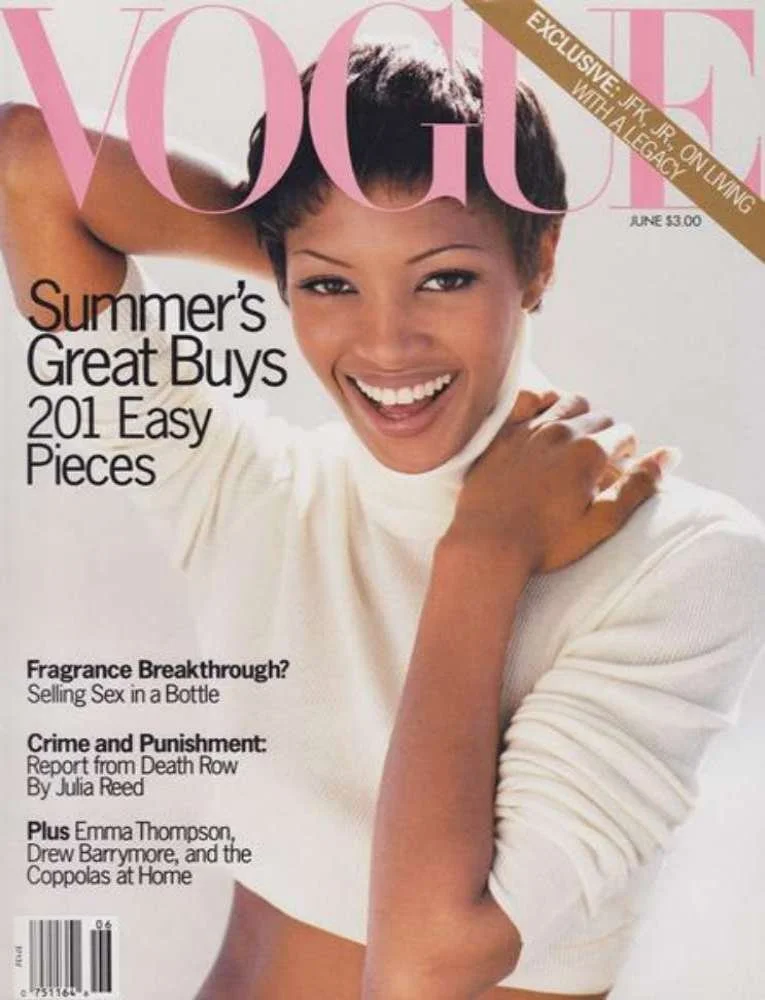
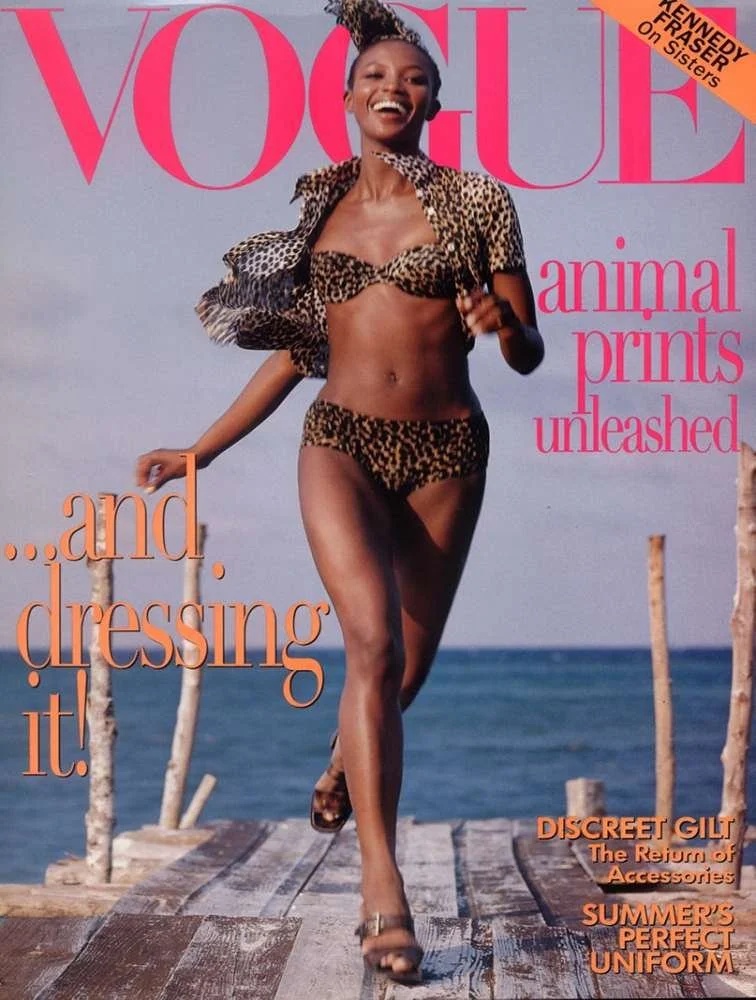
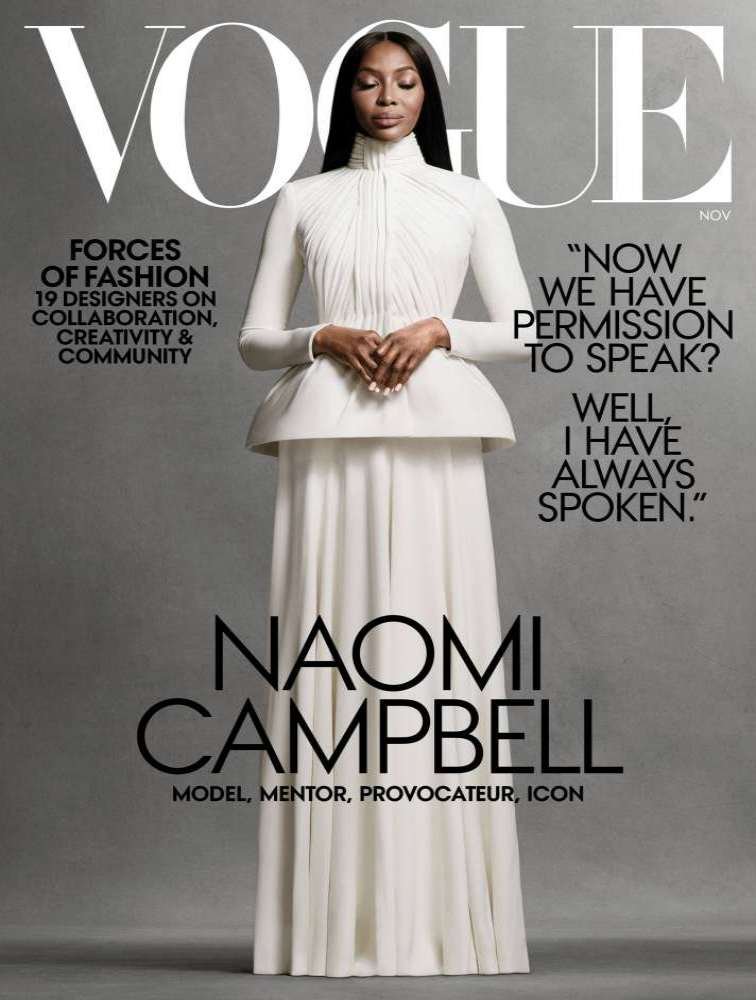
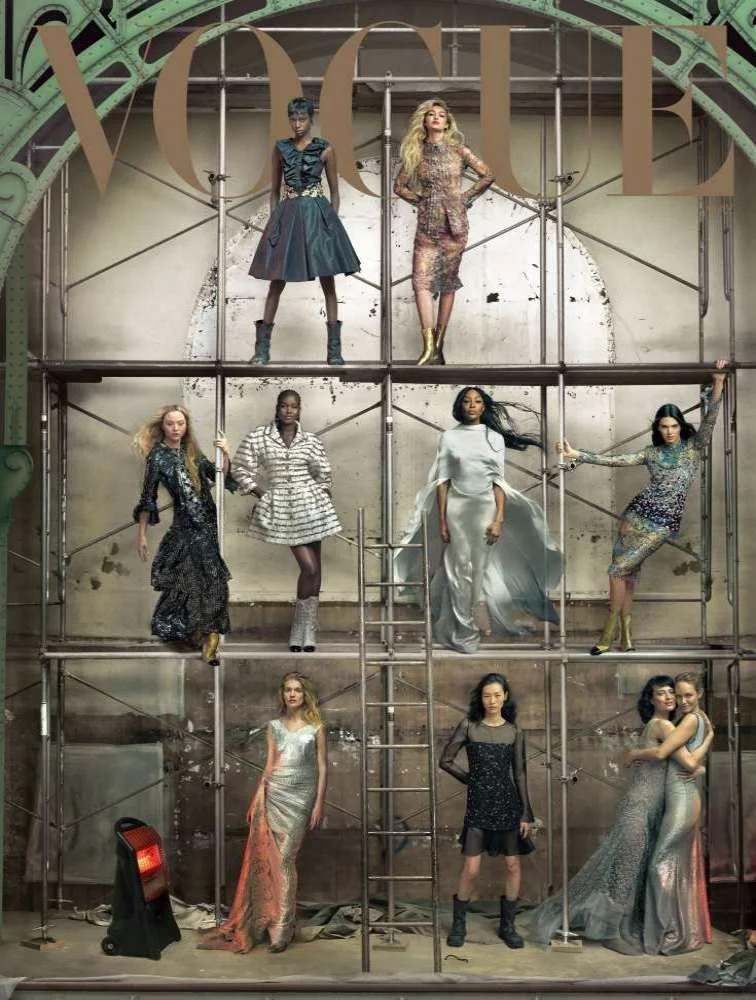
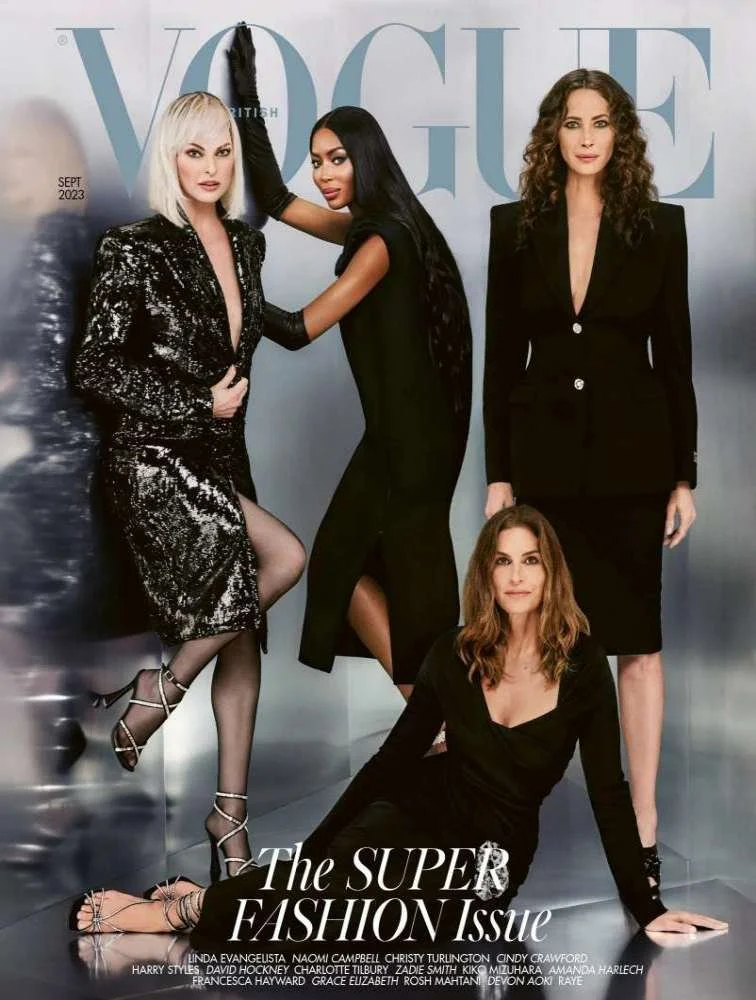
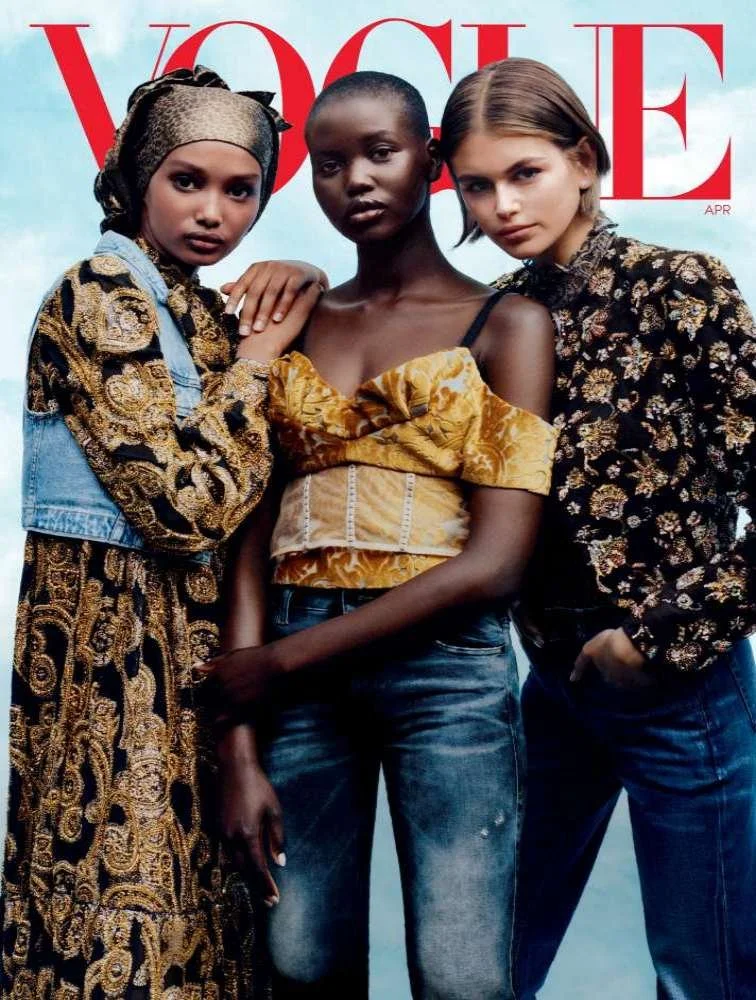
Campbell has worked in TV and publishing and carried out charity work alongside Nelson Mandela. Another contribution she has given to fashion is her drive to mentor the younger generation of models. Two of her mentees include Ugbad Abdi, a Somali-American model who was the first to wear a hijab on the catwalk for Fendi, and Adut Akech, a South Sudanese- Australian model who grew up as a refugee and now works with the UN to support refugees, both of whom featured on a cover together in 2020.
A Period of Low Representation
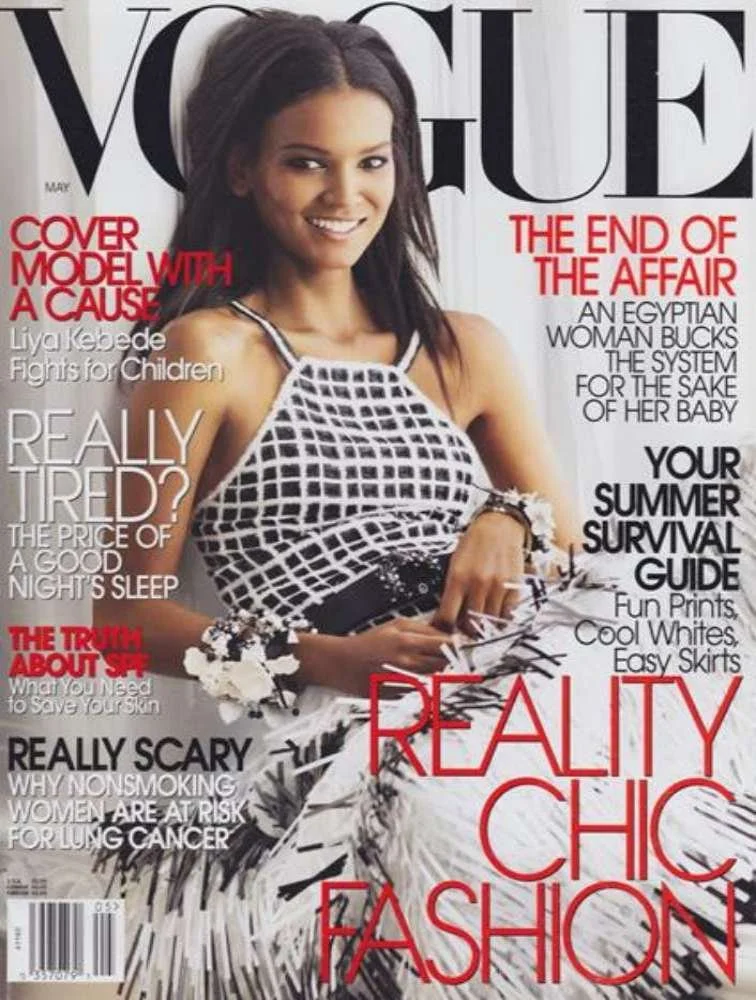
Campbell, Abdi, and Akech's appearances on the cover of American Vogue in 2020 signaled a hopeful change in representation. That year saw six covers with women of color on the front. This came after a period from 2000 to 2019 in which 31 magazine covers featured black models, 2 featured Asian models, and 229 featured white models out of 262 magazines.
While it is common for celebrities and models to appear across covers, it is important to note that among black cover stars, 81% were repeat women. Since Johnson’s appearance, American Vogue has featured prominent women of color on its cover and has improved representation of people of color in the media. However, to increase the diversity of cover models, the number of people of color should be increased, excluding repeat celebrities.
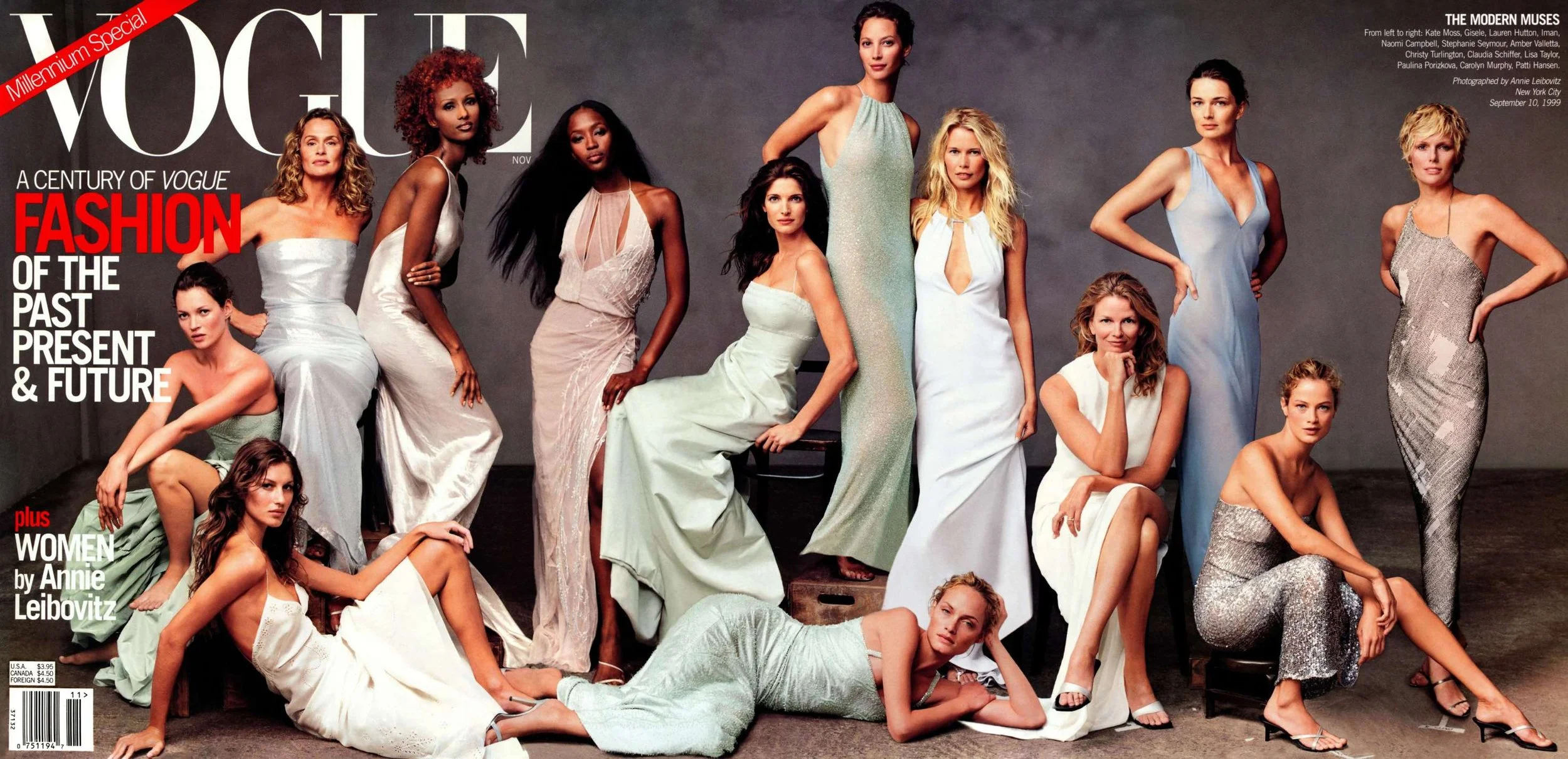
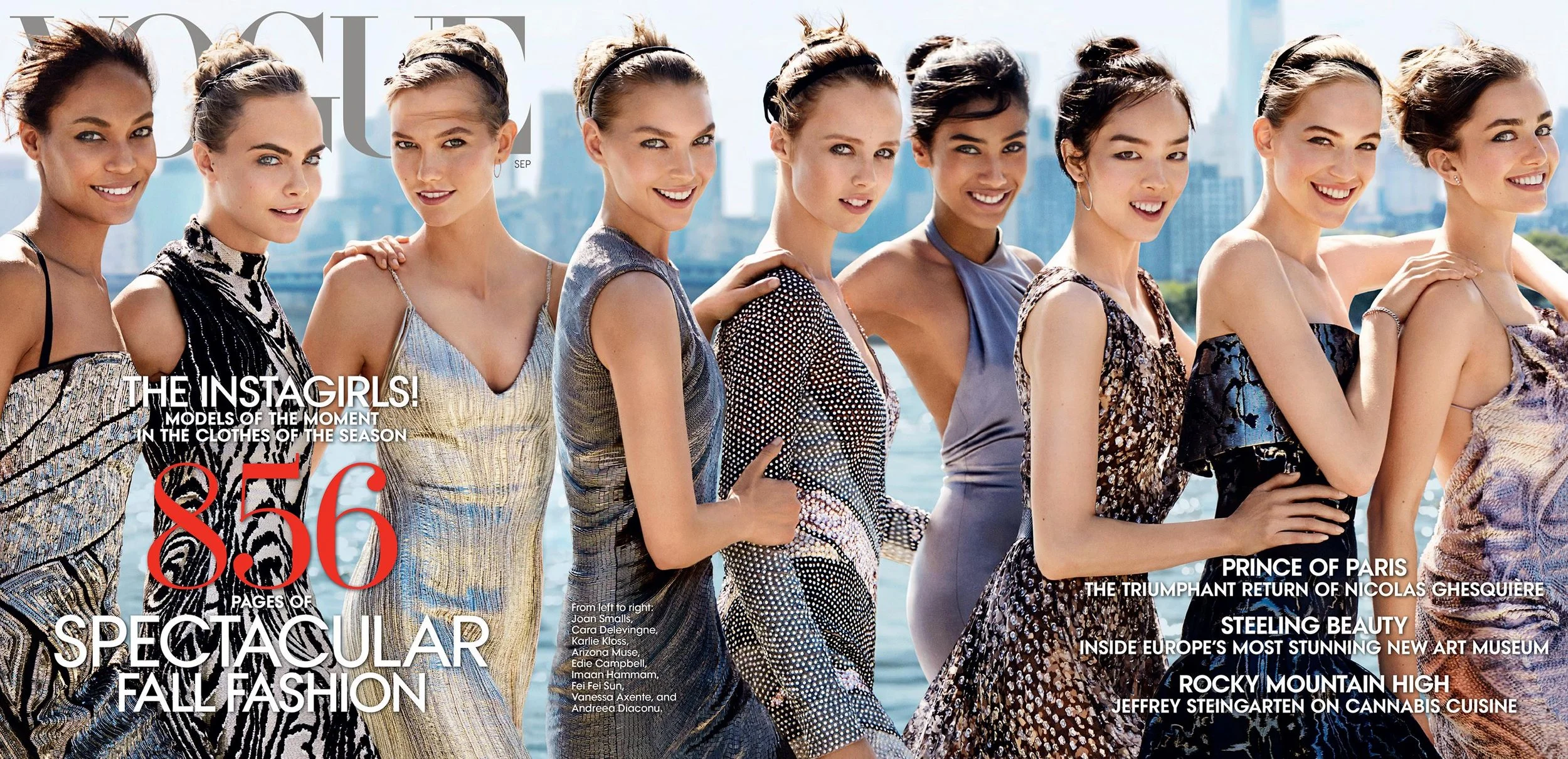
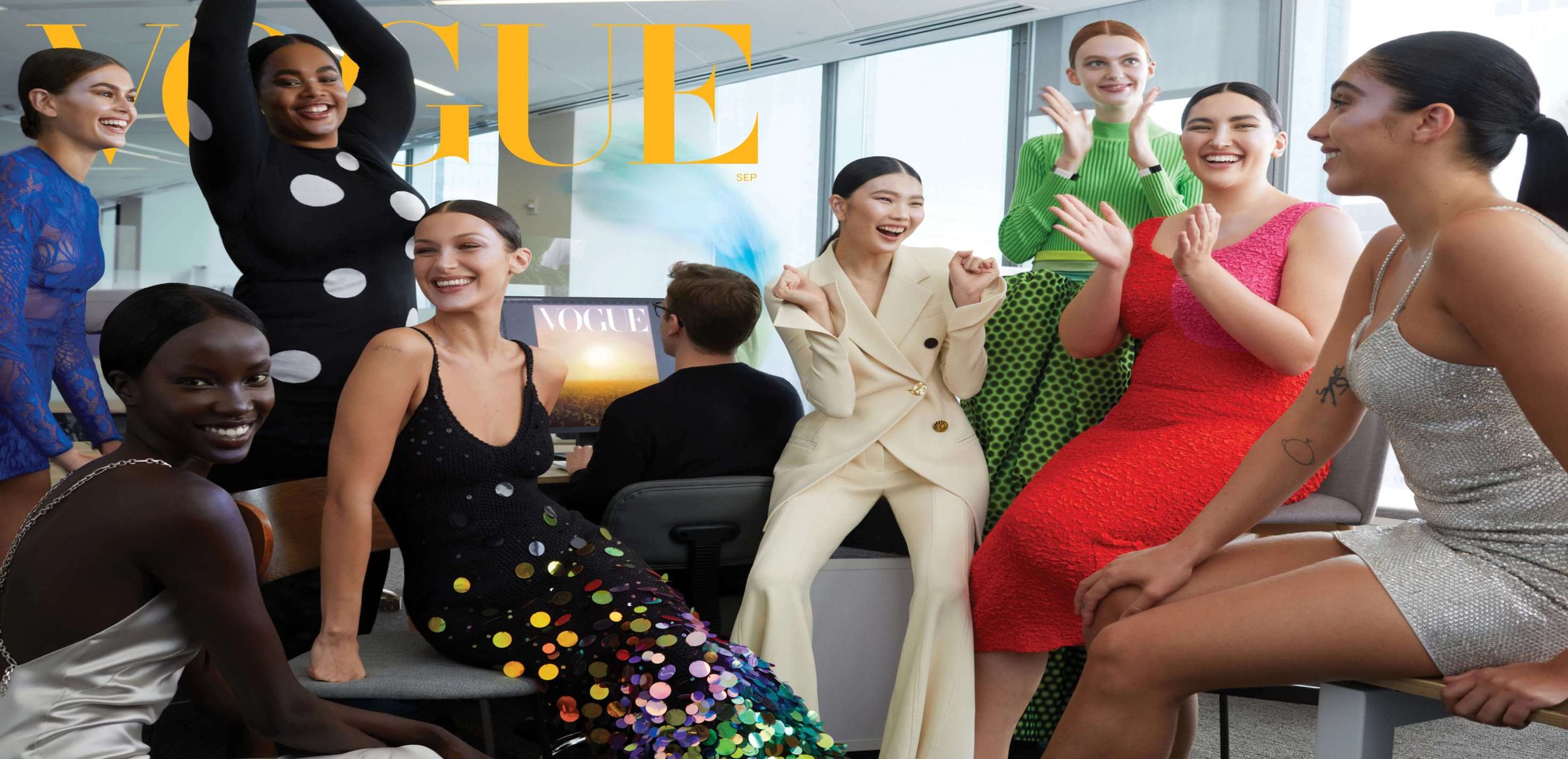
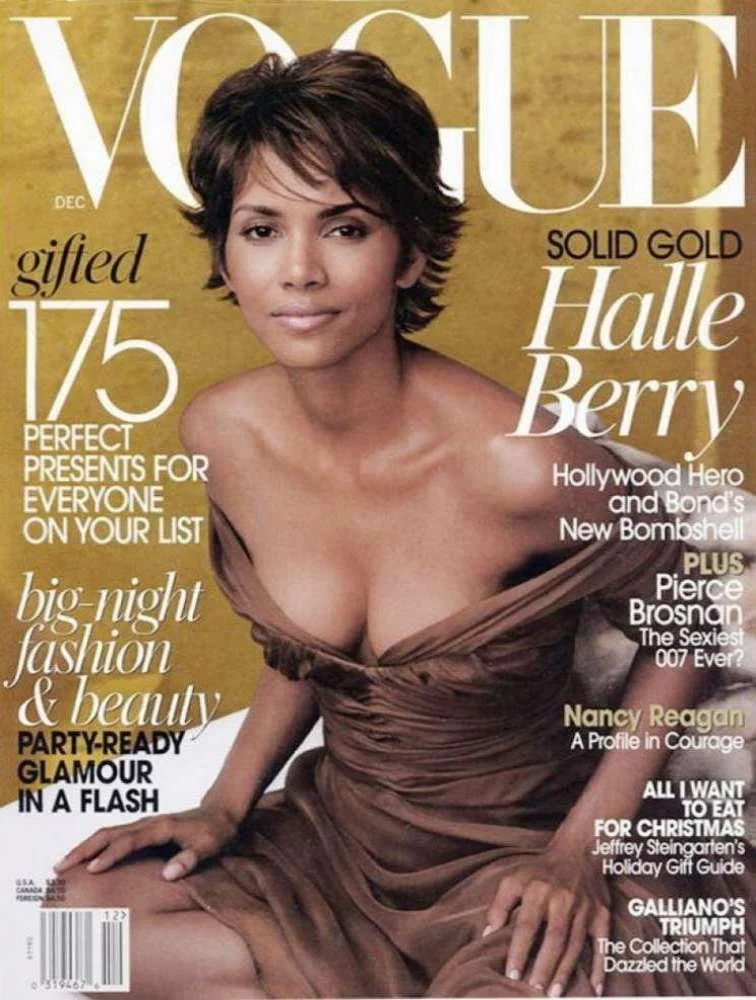
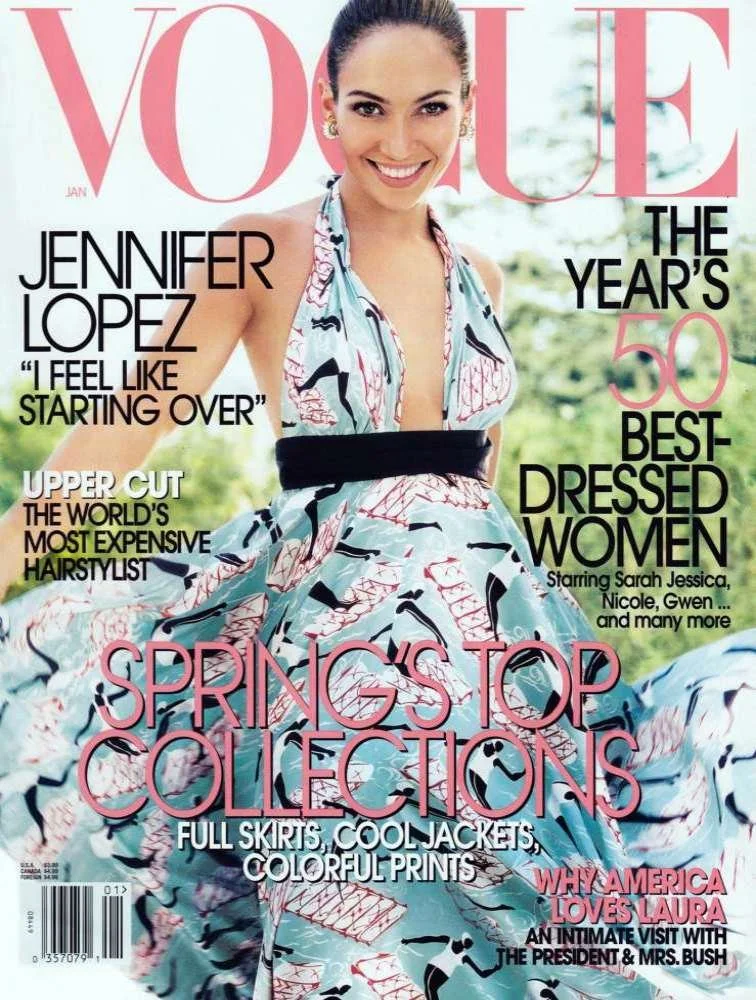
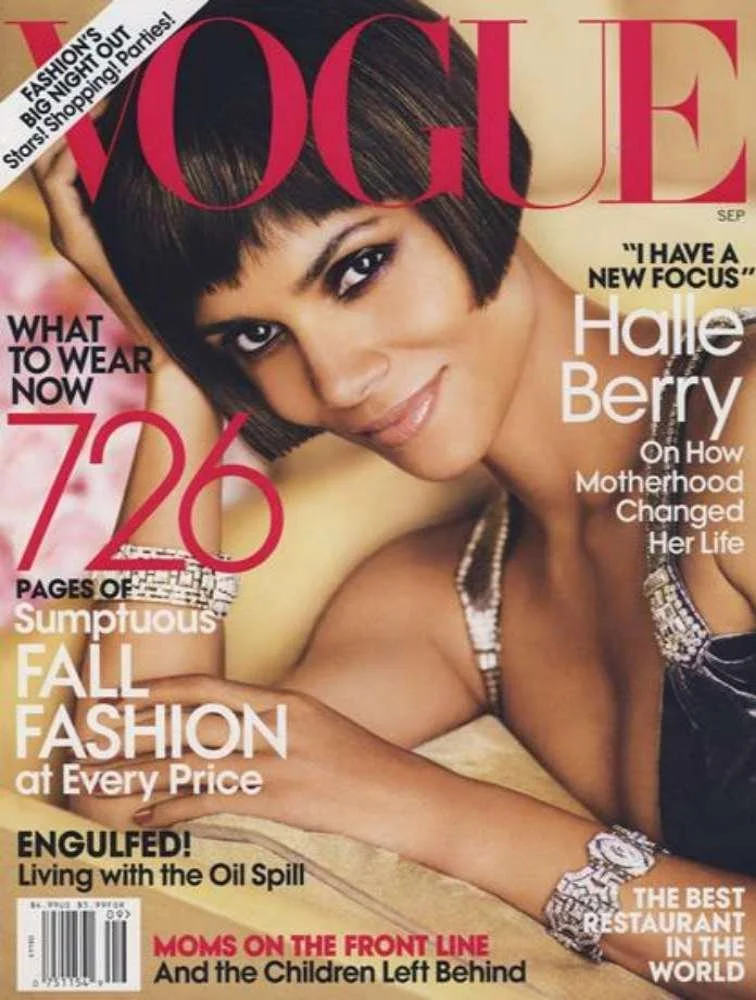
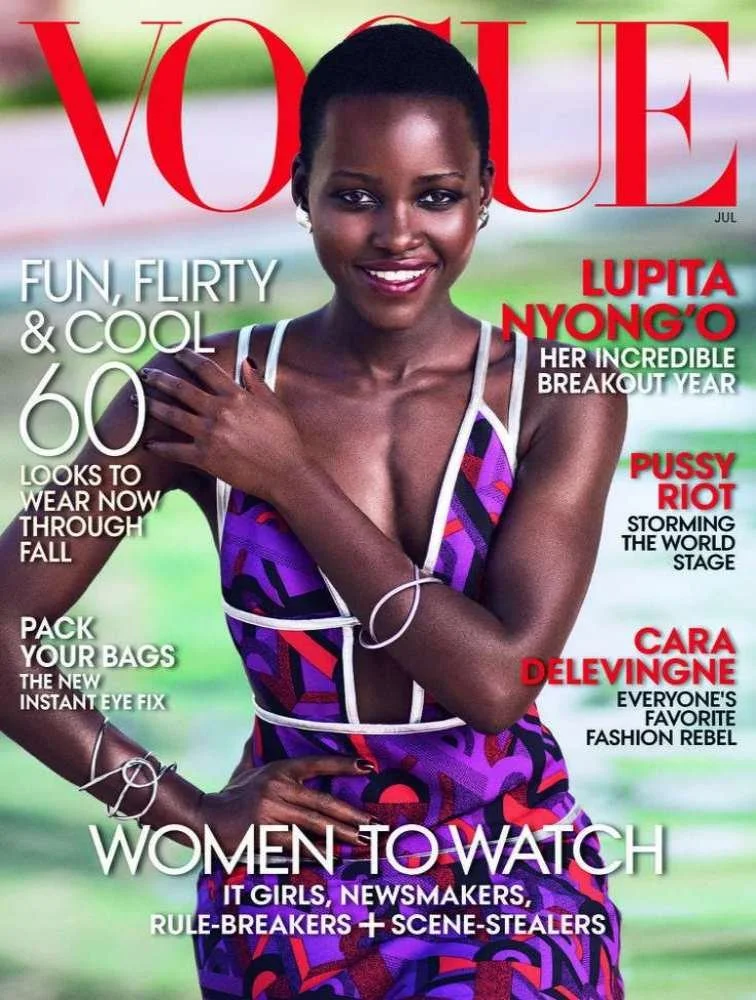
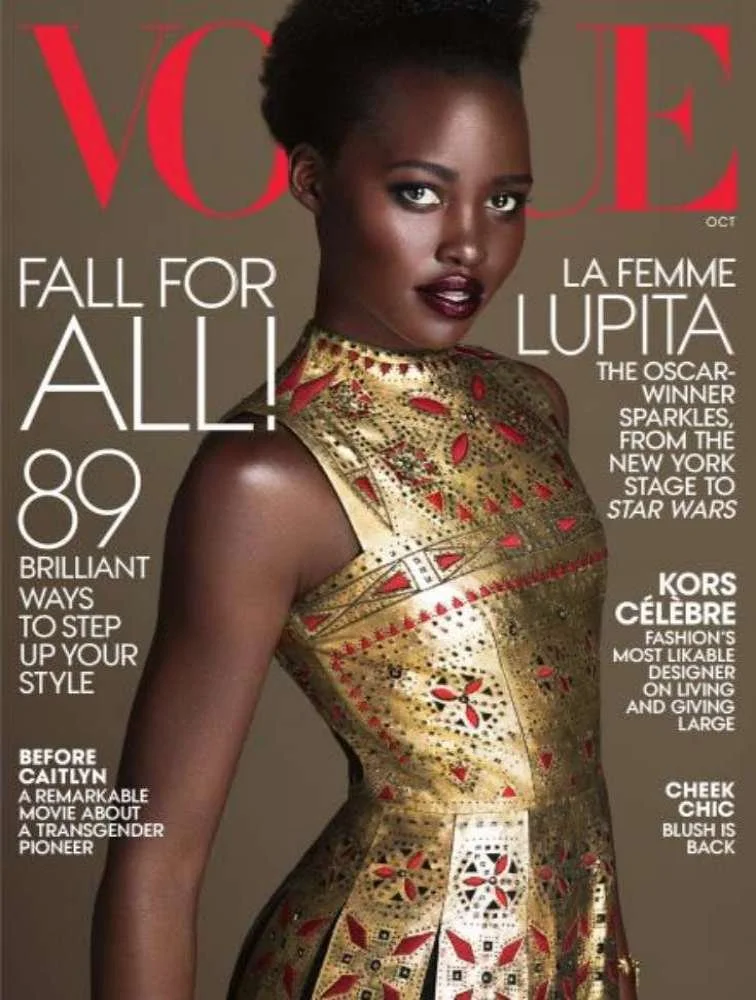
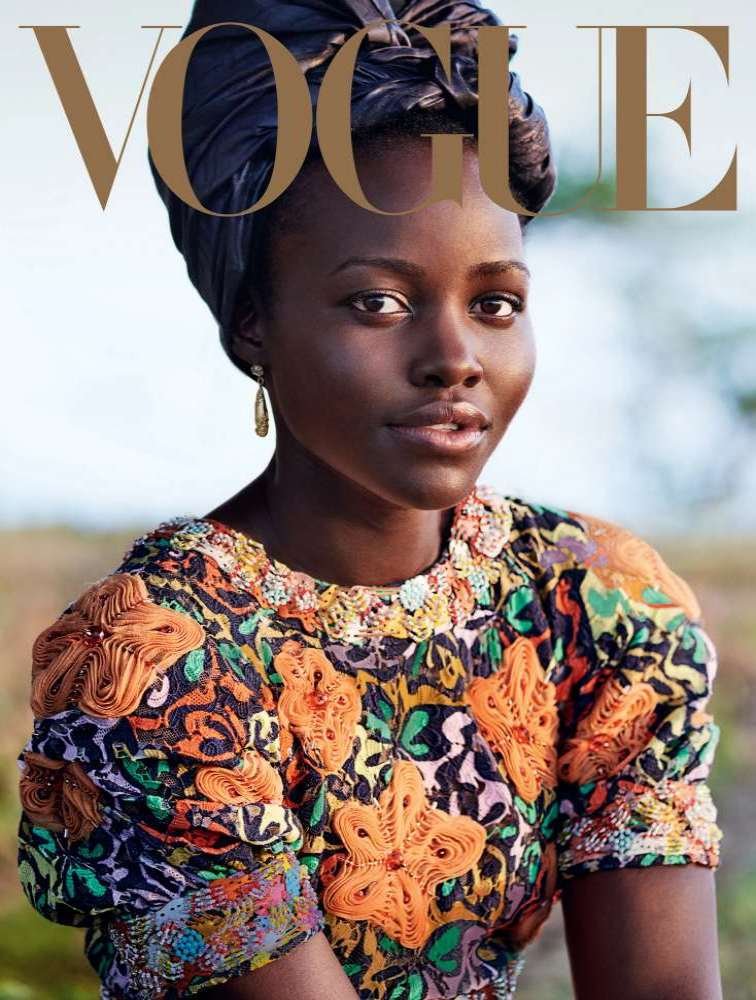
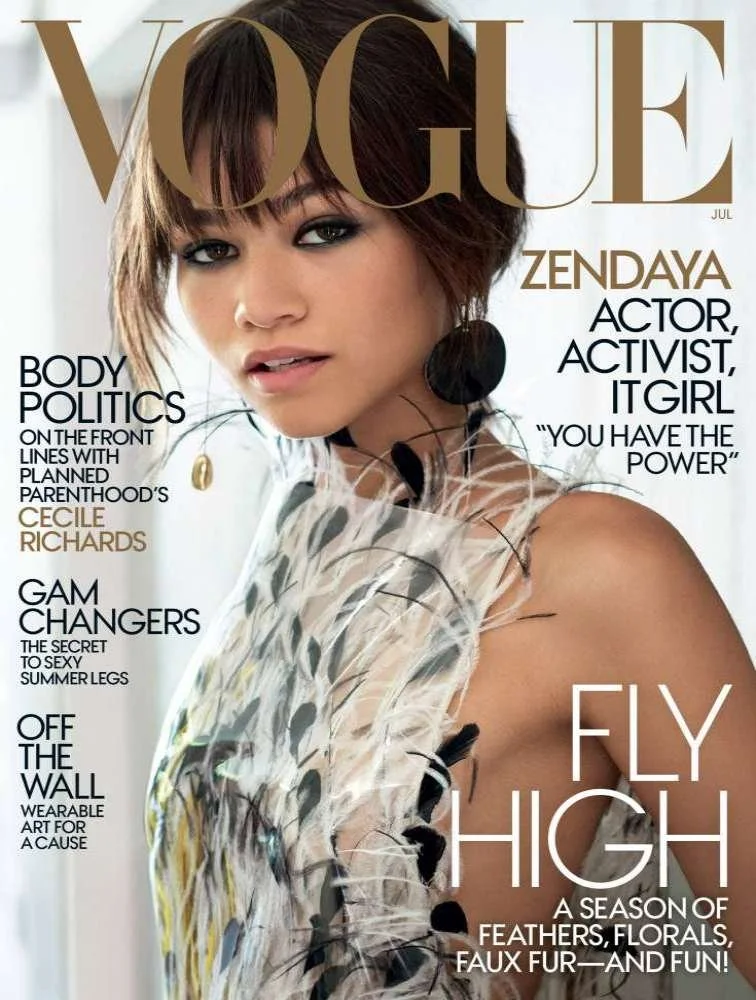
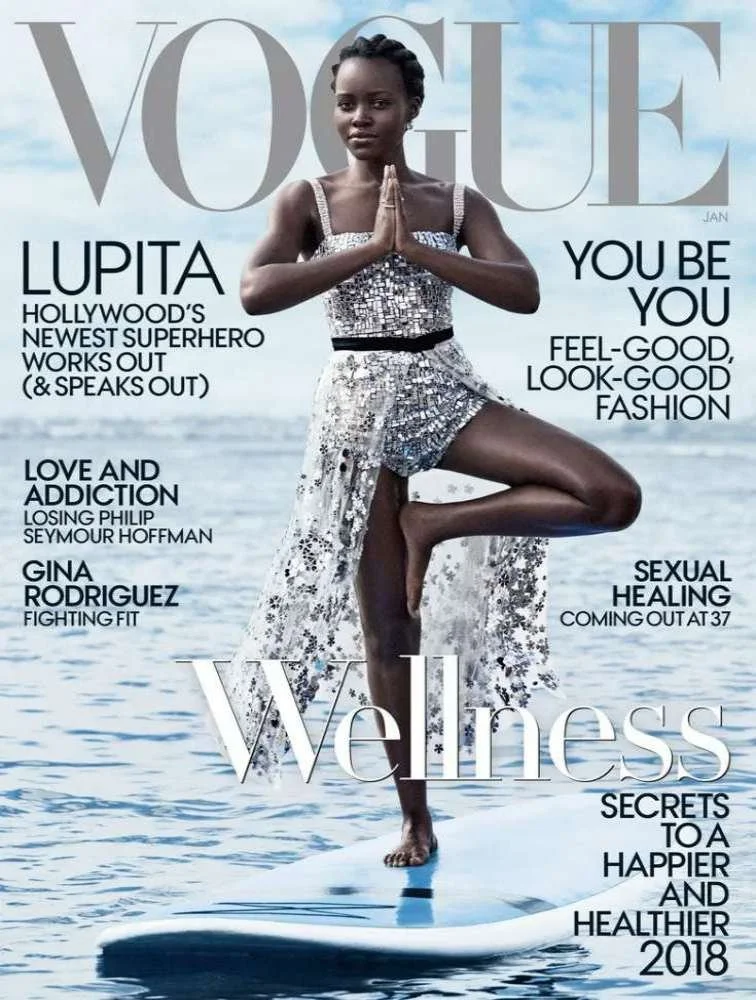
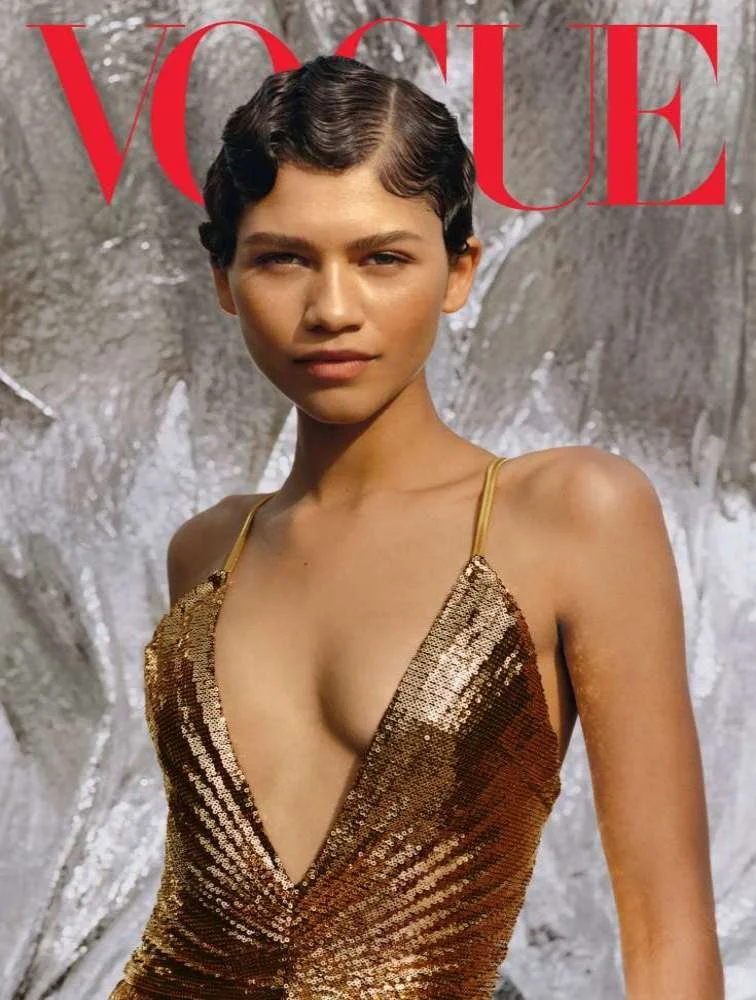
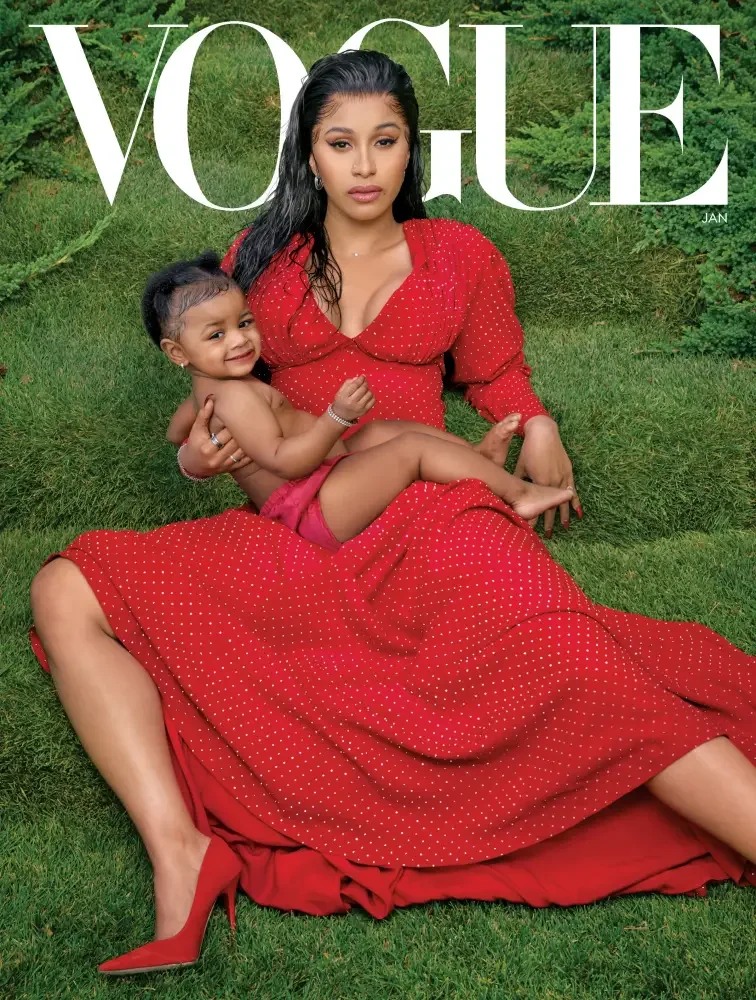
Female actresses are often featured on the cover, with Halle Berry, Lupita Nyong'o, Jennifer Lopez, and Zendaya all making repeat appearances. Between them, these leading actresses have a Golden Globe, an Academy Award, an Emmy, a CFDA Fashion Icon Award, and have starred in award-winning films and series.
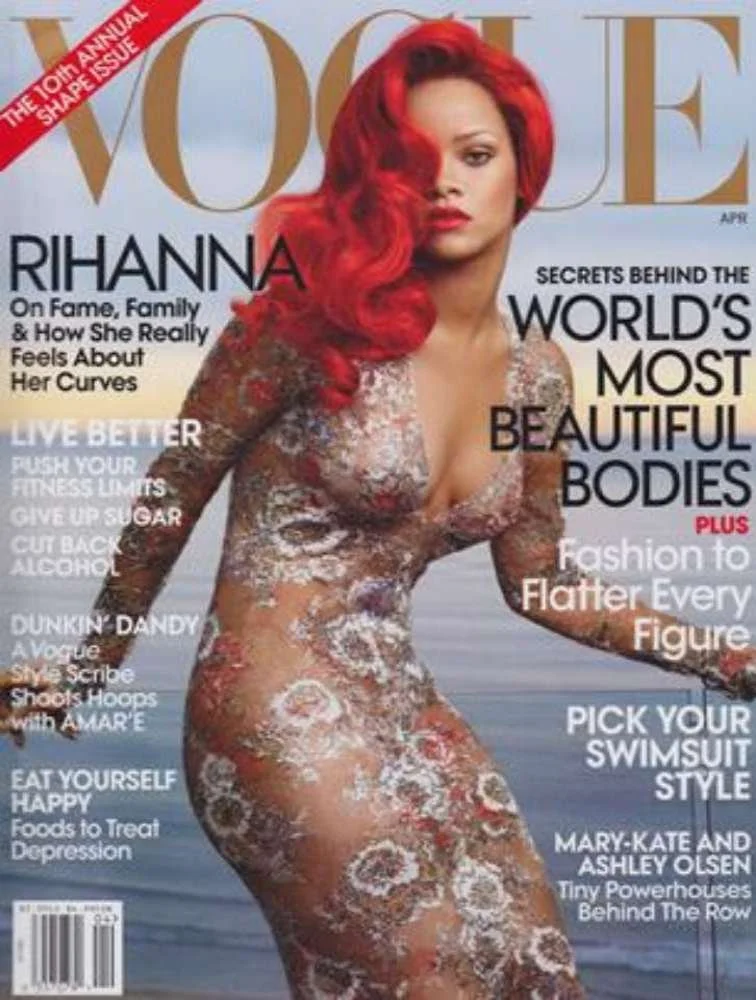
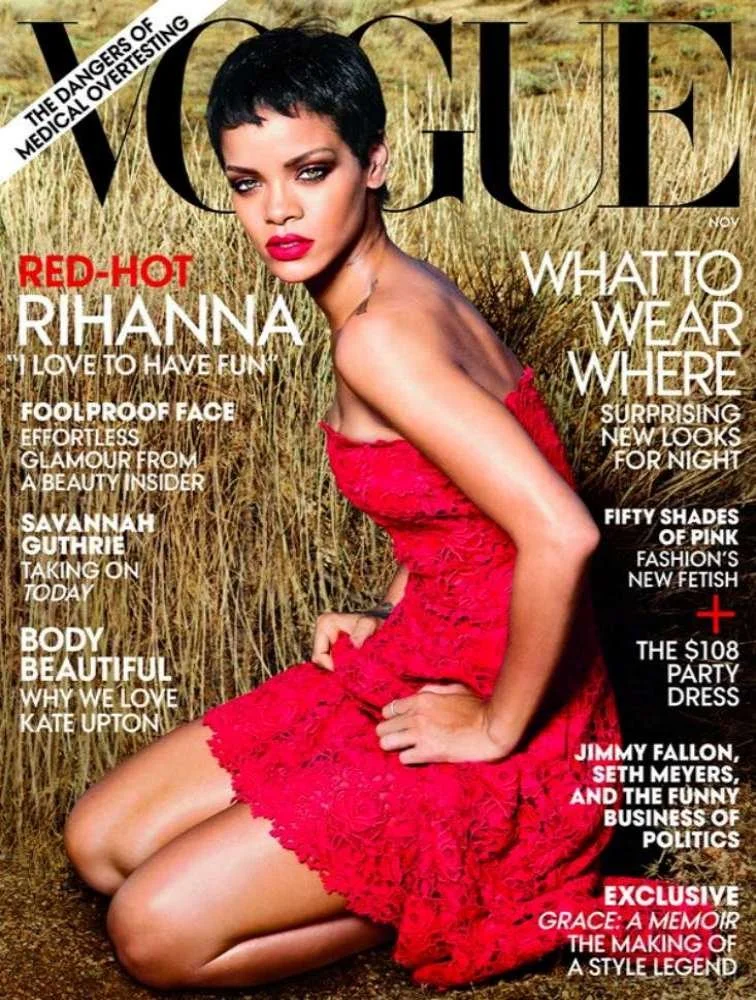
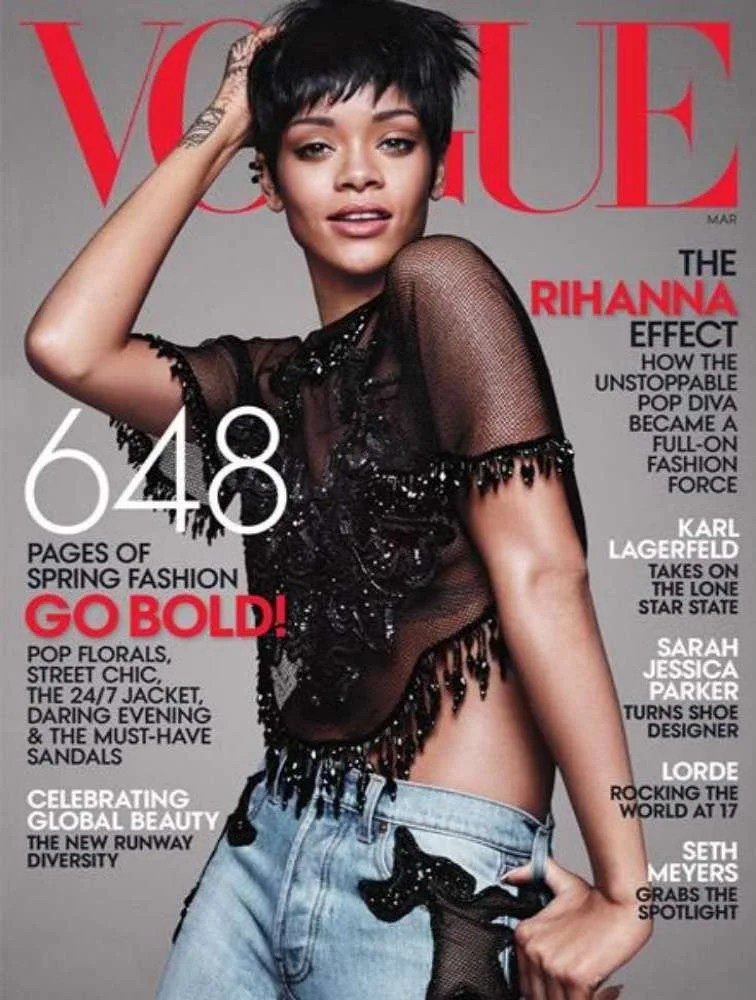
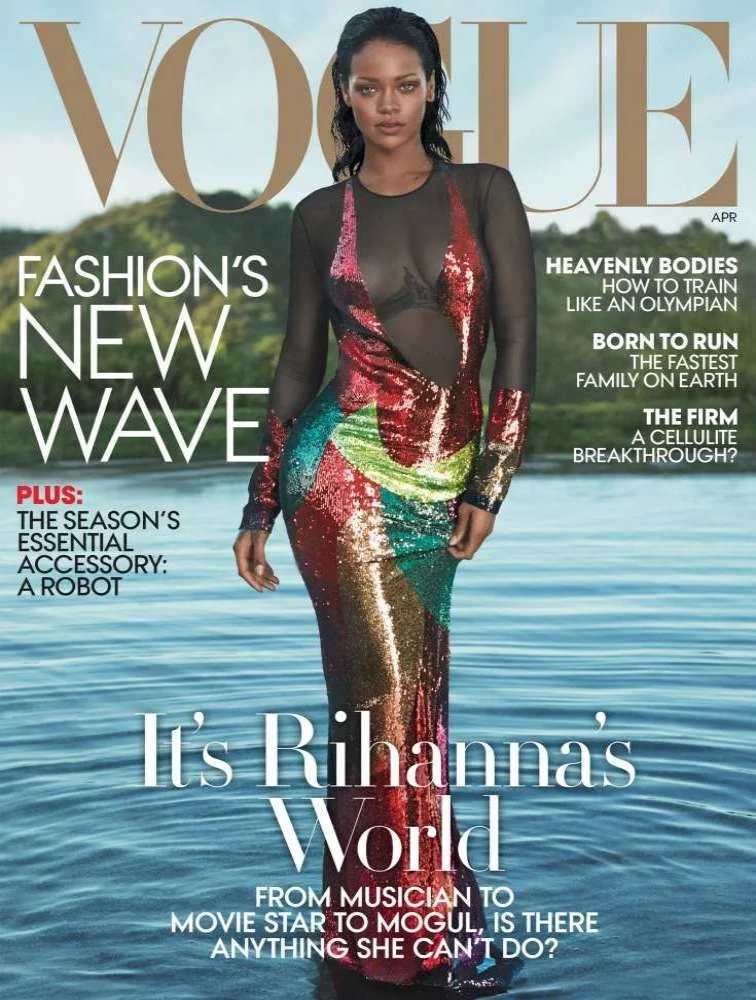
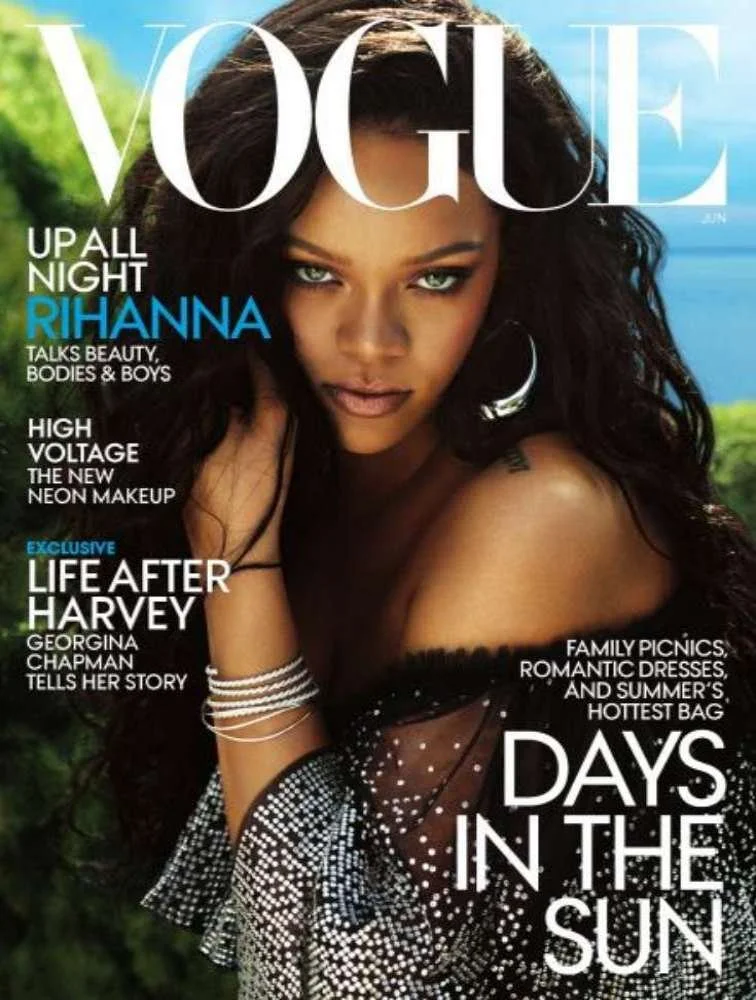
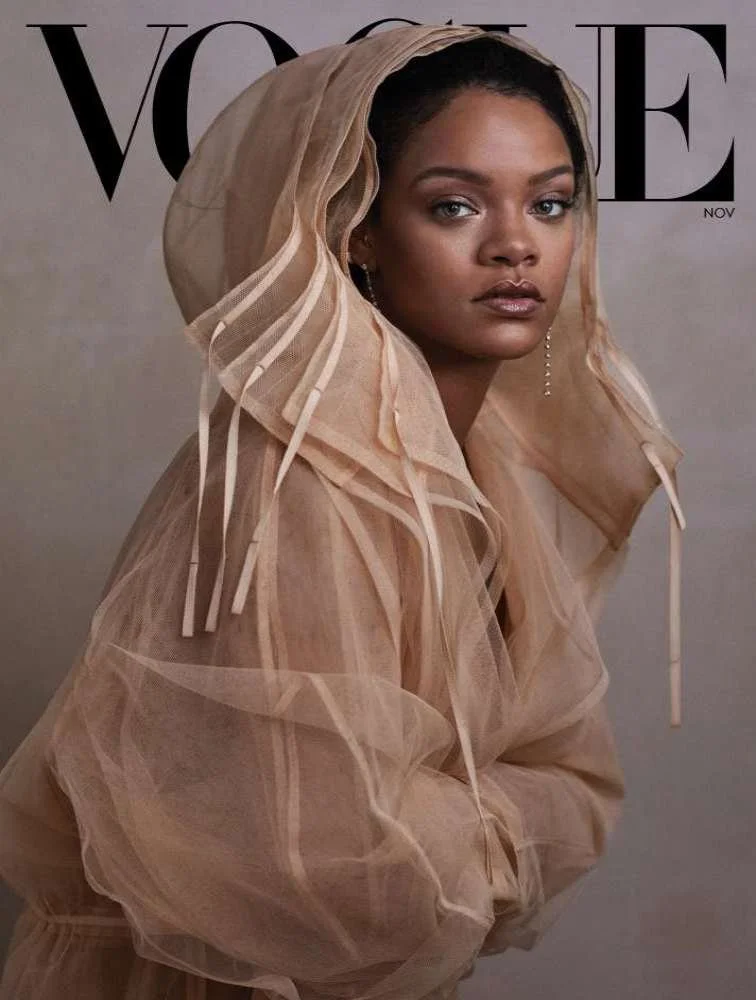
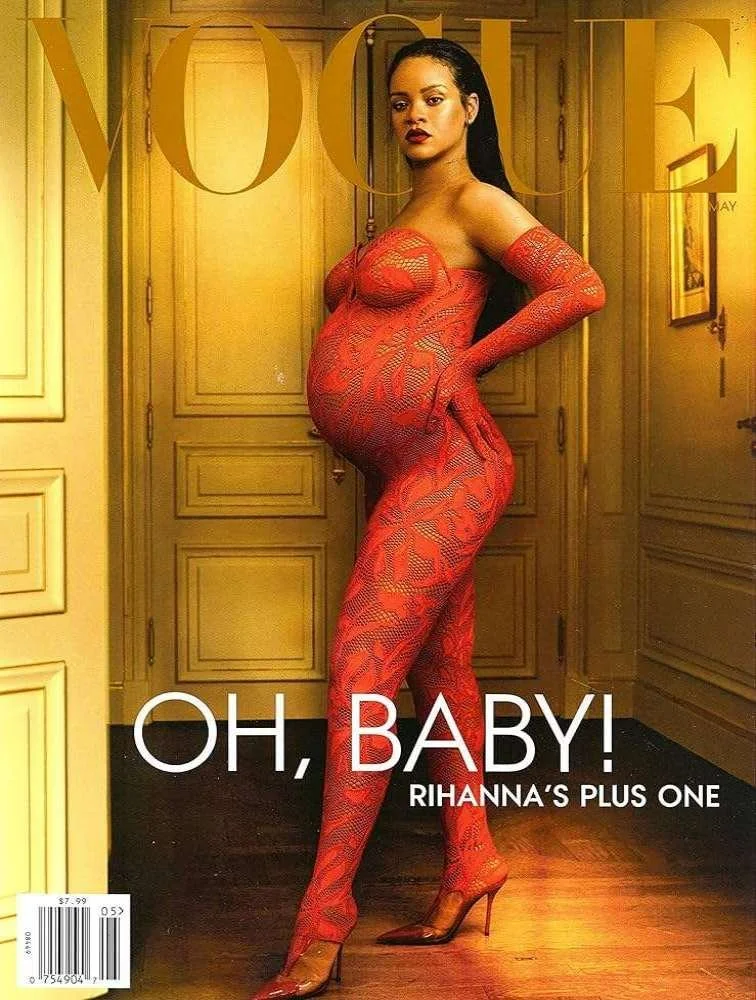
One woman of color, highly featured during the early 2000s and the 2010s, became American Vogue’s most frequent solo Black cover model of all time. Rihanna first appeared on the cover in 2011 after she released her sixth studio album Talk the Talk and won a Grammy. Rihanna went on to feature on the cover six more times. The Barbados-born singer, actress, and entrepreneur was most recently photographed by Annie Leibovitz and featured in 2022 before the birth of her first child. Rihanna embodied not just women of color but women everywhere, openly showing that she isn’t afraid to have a big career, brand, business, and family. The multifaceted artist is a testament to the fact that women can do it all, deserve it all, and should be proud to chase more dreams than one.
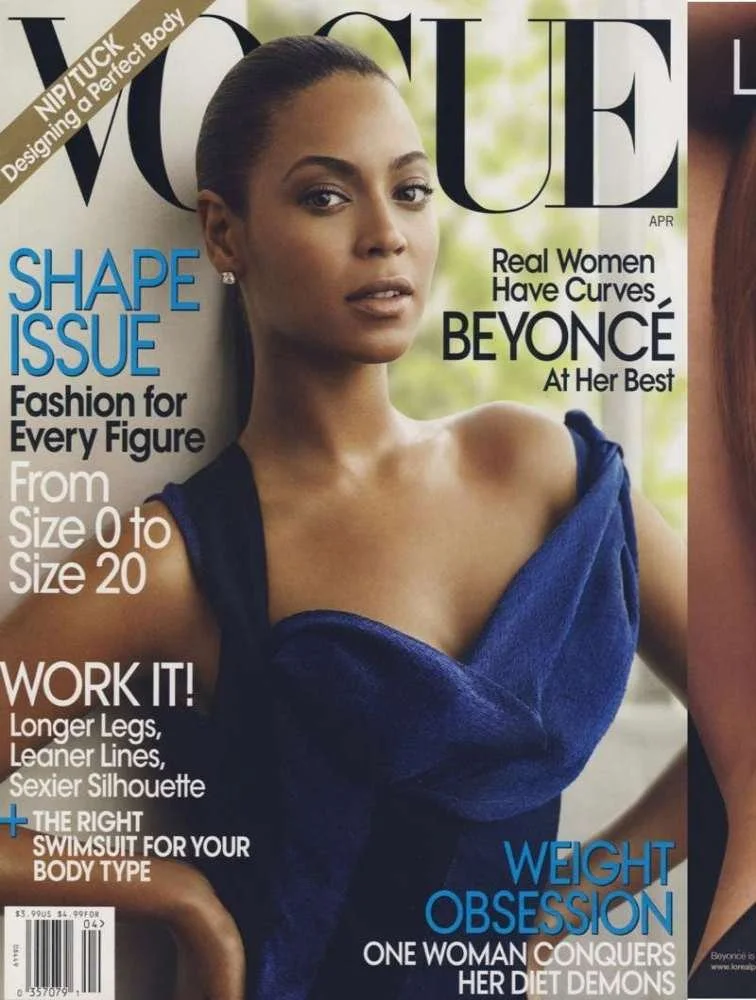
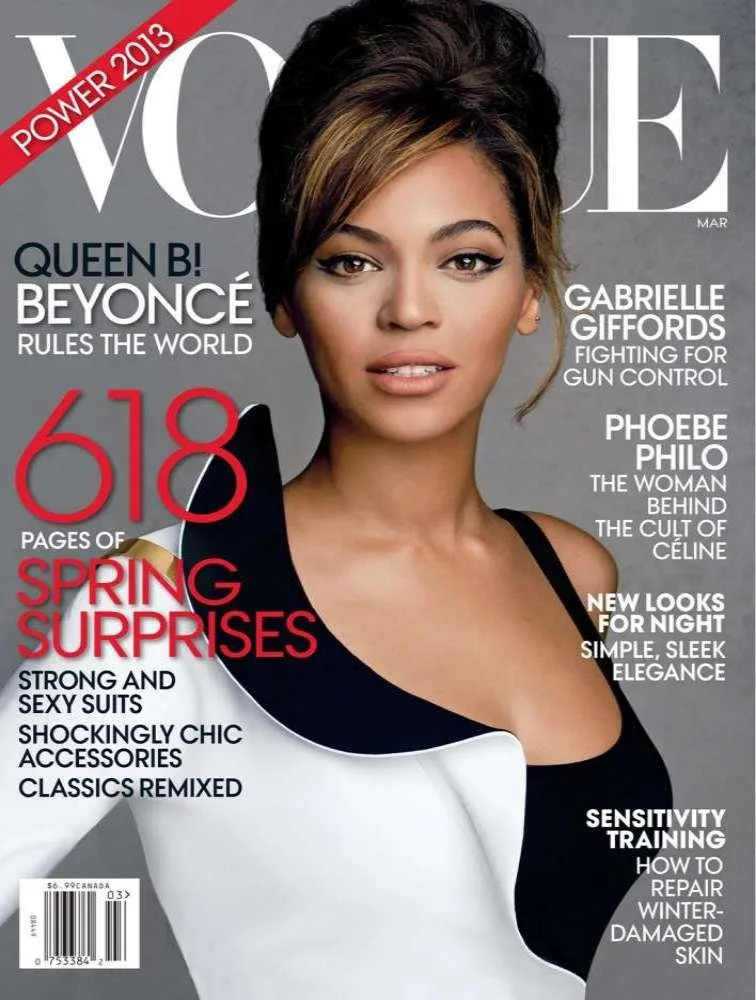
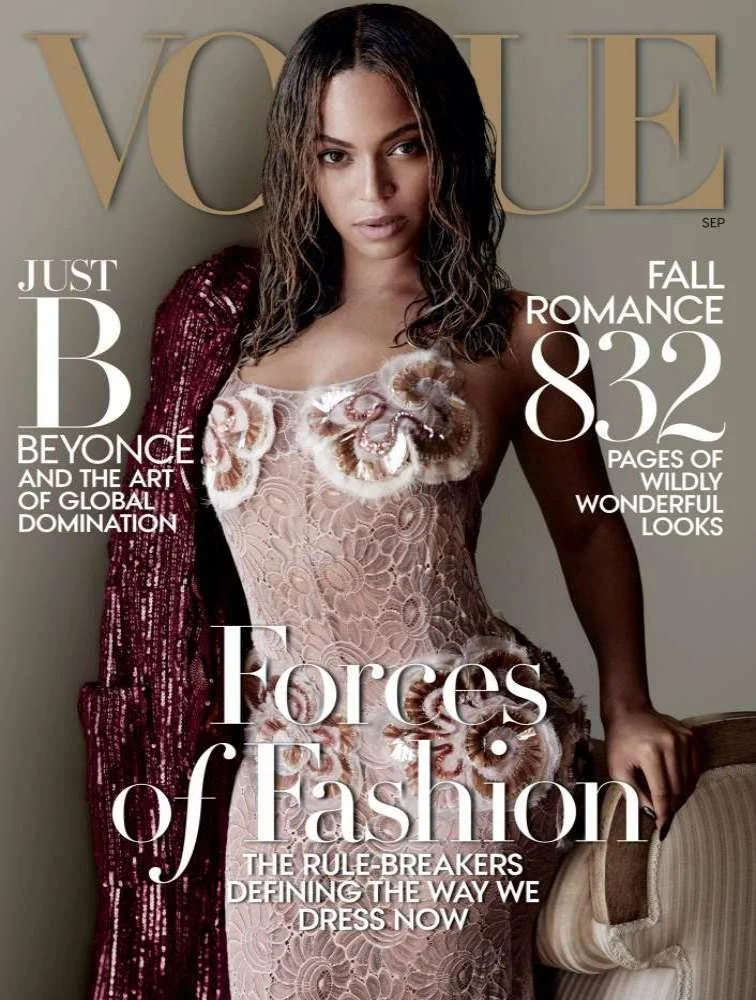
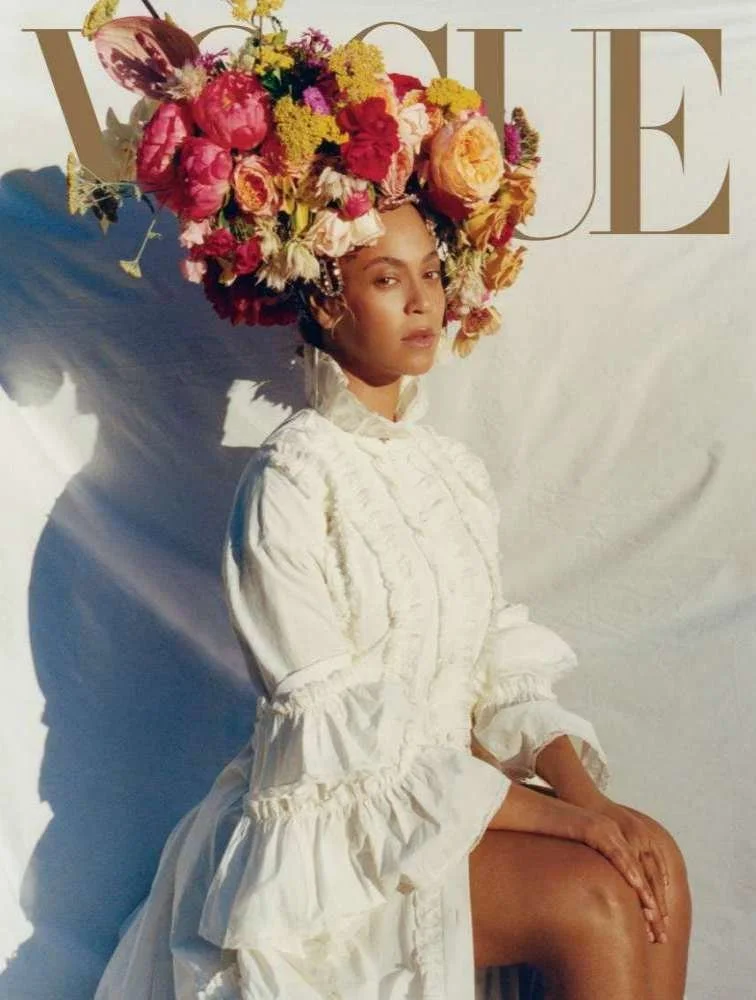
Also making several appearances was Beyoncé, first featured in 2009. In 2018, she was featured on the September cover, photographed by Tyler Mitchell, making it the first cover shot by a Black Photographer in the magazine’s 126-year history.


The Future of the American Vogue Cover
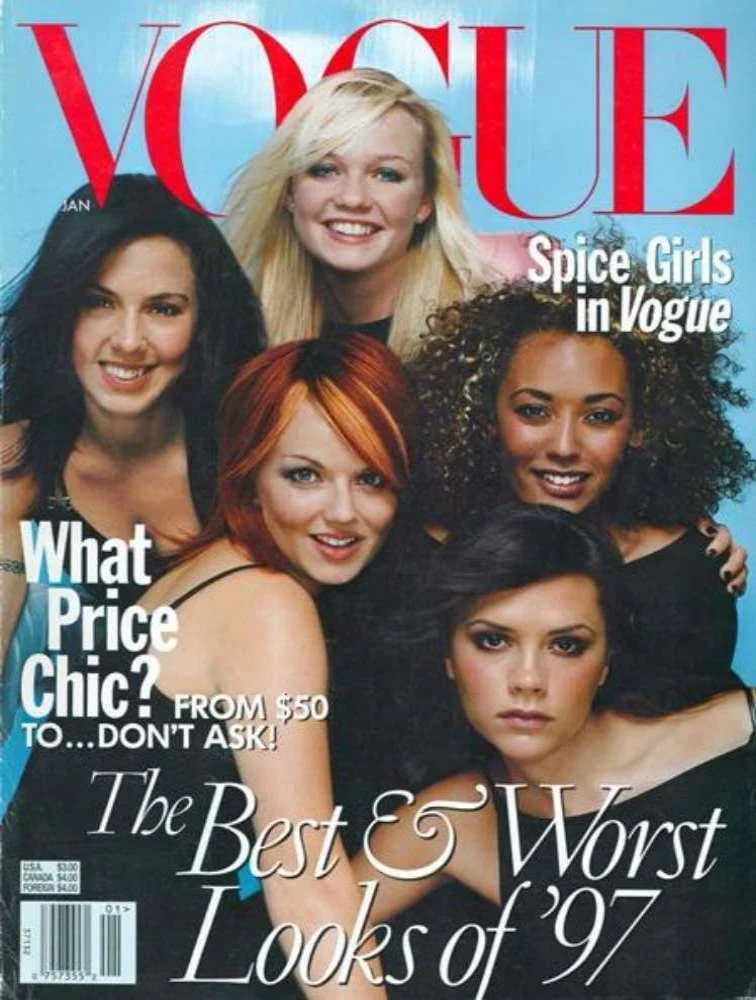
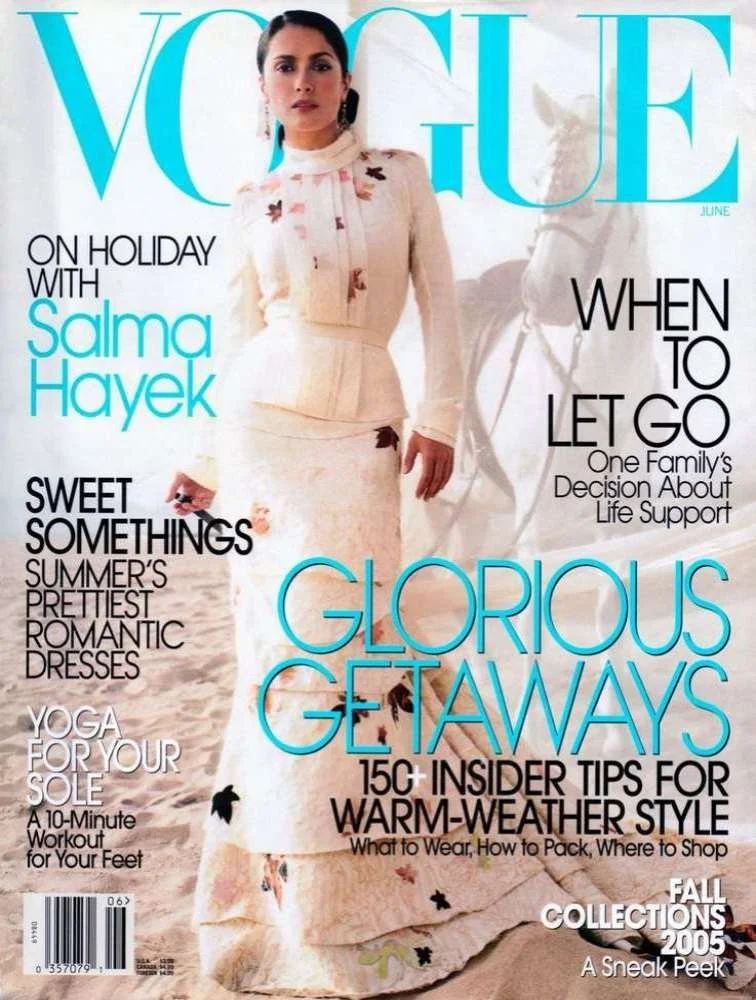
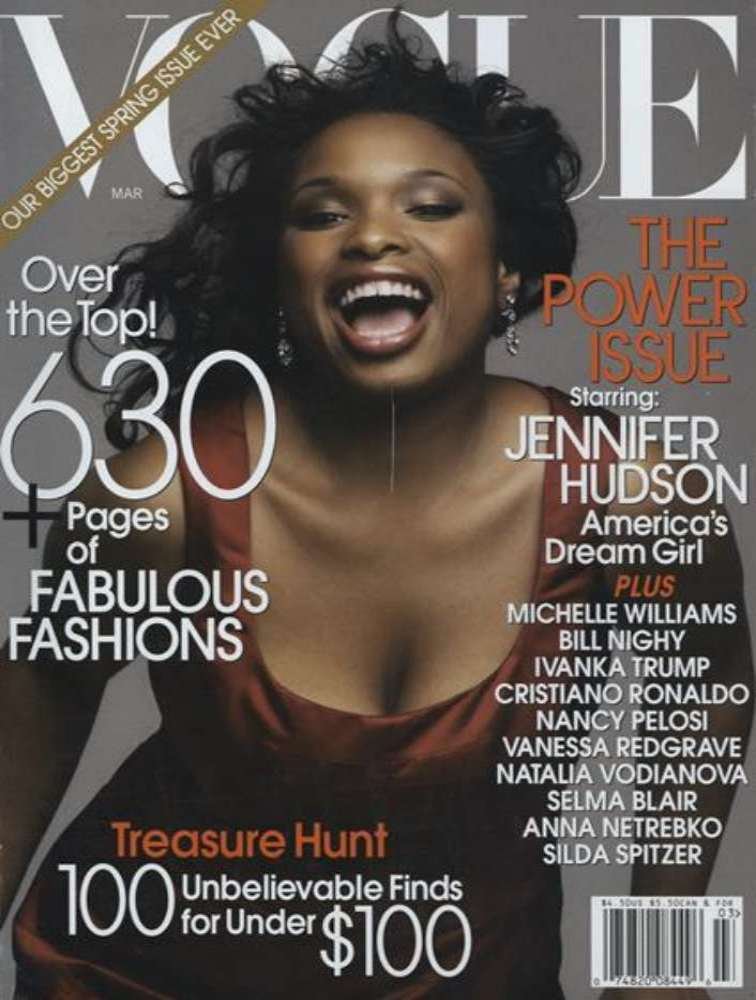
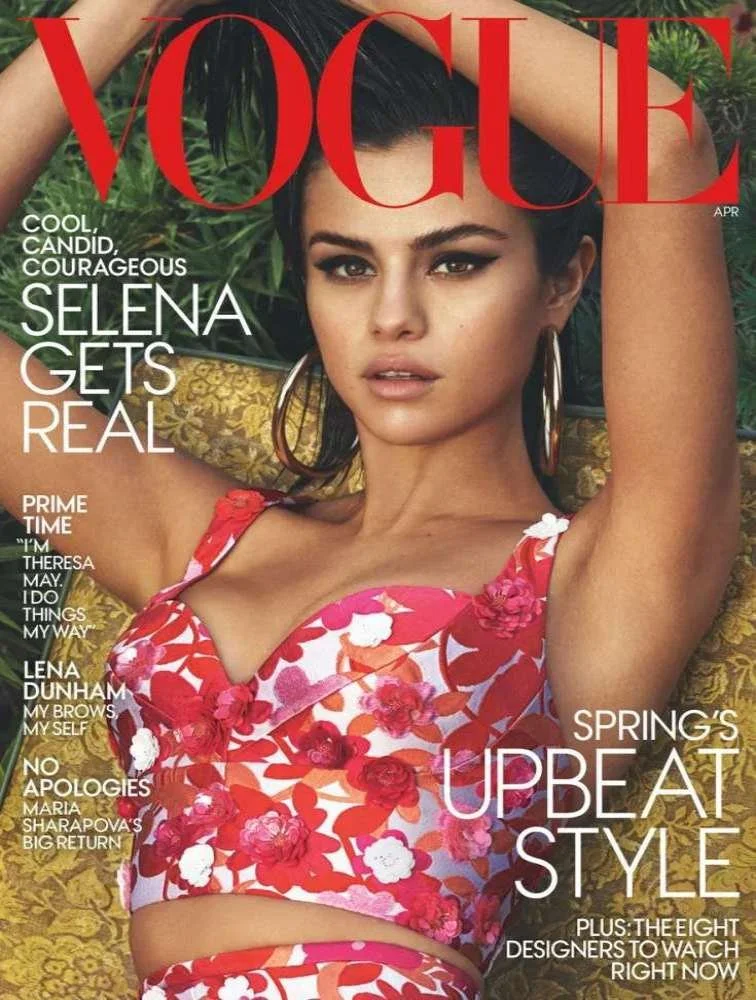
American Vogue has featured a wide array of musicians on its covers since 2020, including Lizzo, Selena Gomez, Olivia Rodrigo, Niki Minaj, Doja Cat, and ASAP Rocky. The inclusion of Black, Mexican-American, Filipino-American, and Indo-Trinidadian artists reflects the shift in global music trends and preferences. Beyonce and Rihanna signaled the start of an era born of strong solo artists, moving away from groups like the Spice Girls, who were featured on the cover in 1998. Pop music has grown to include numerous different faces, and classic music genres are being redefined and blended.
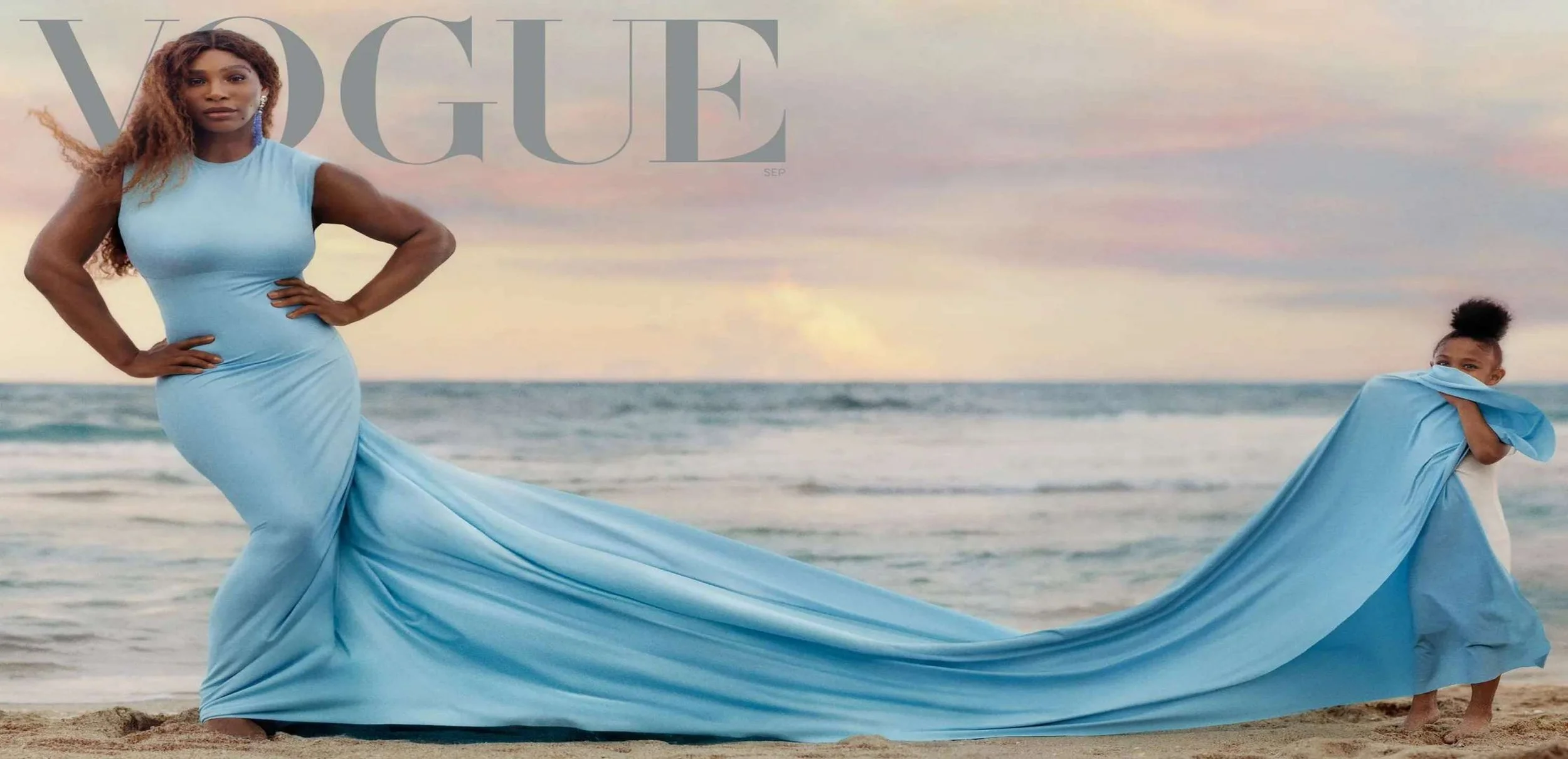
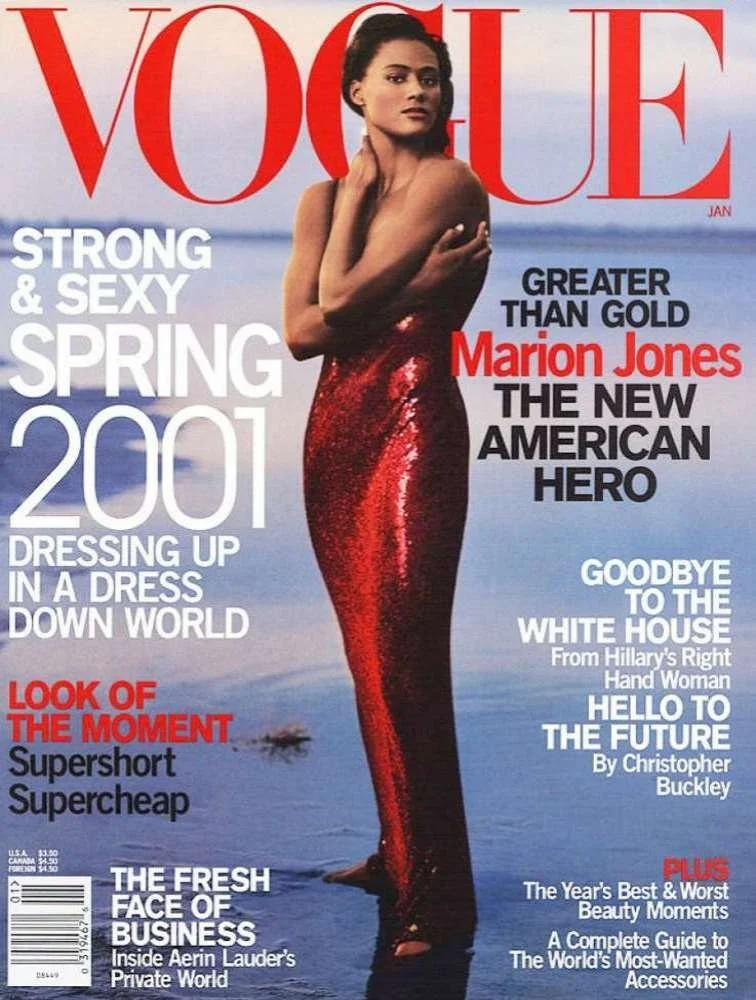
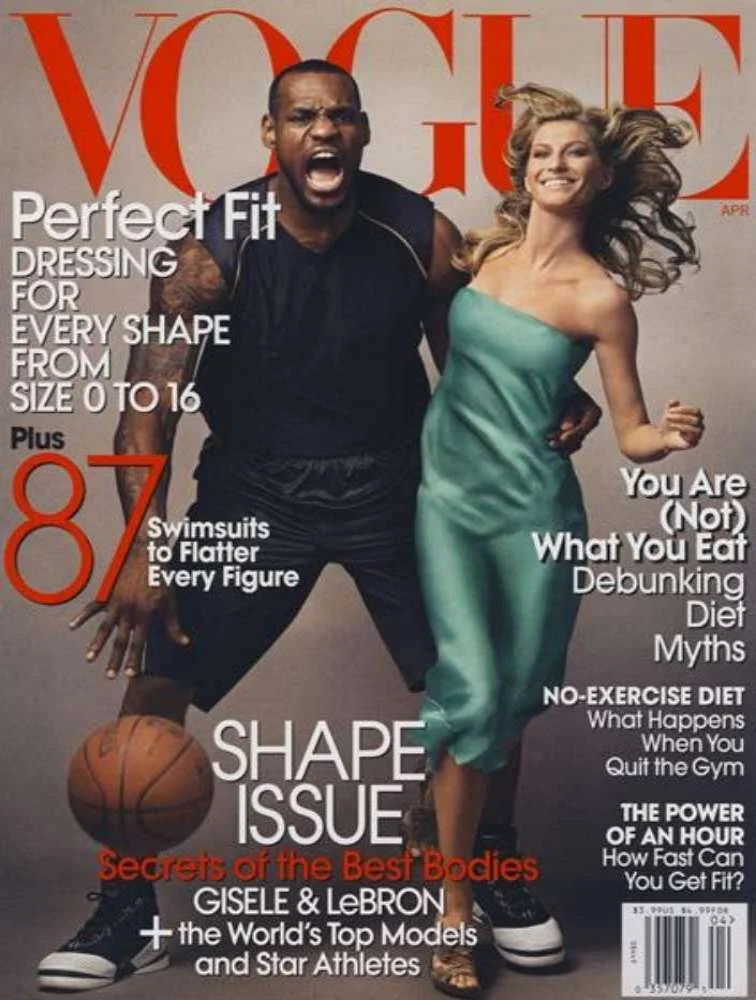
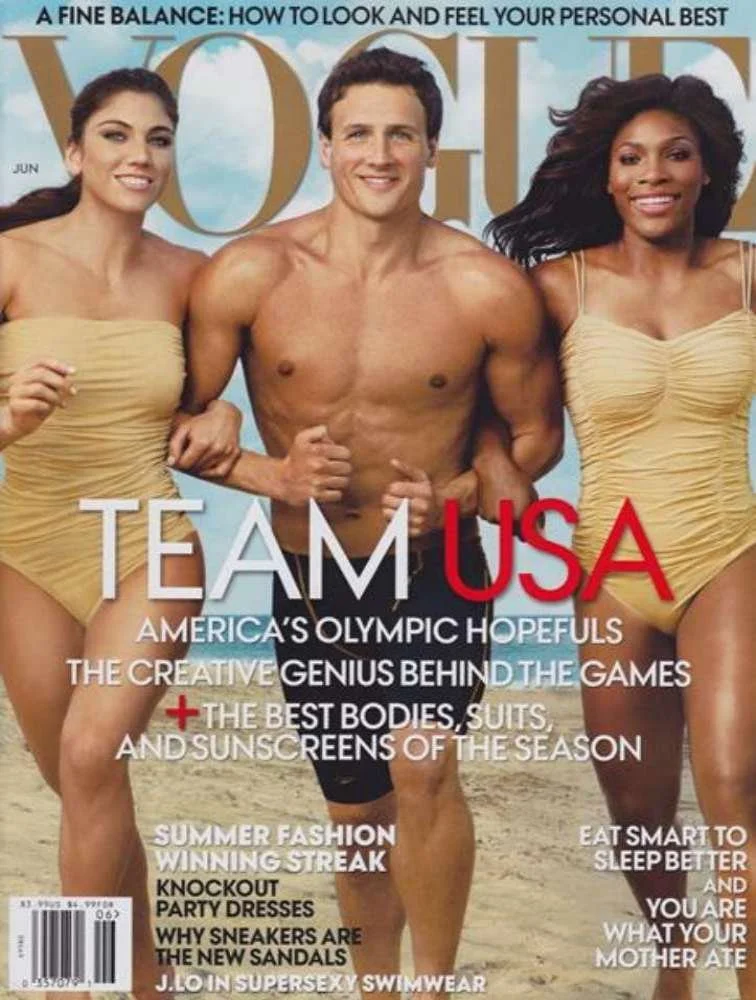
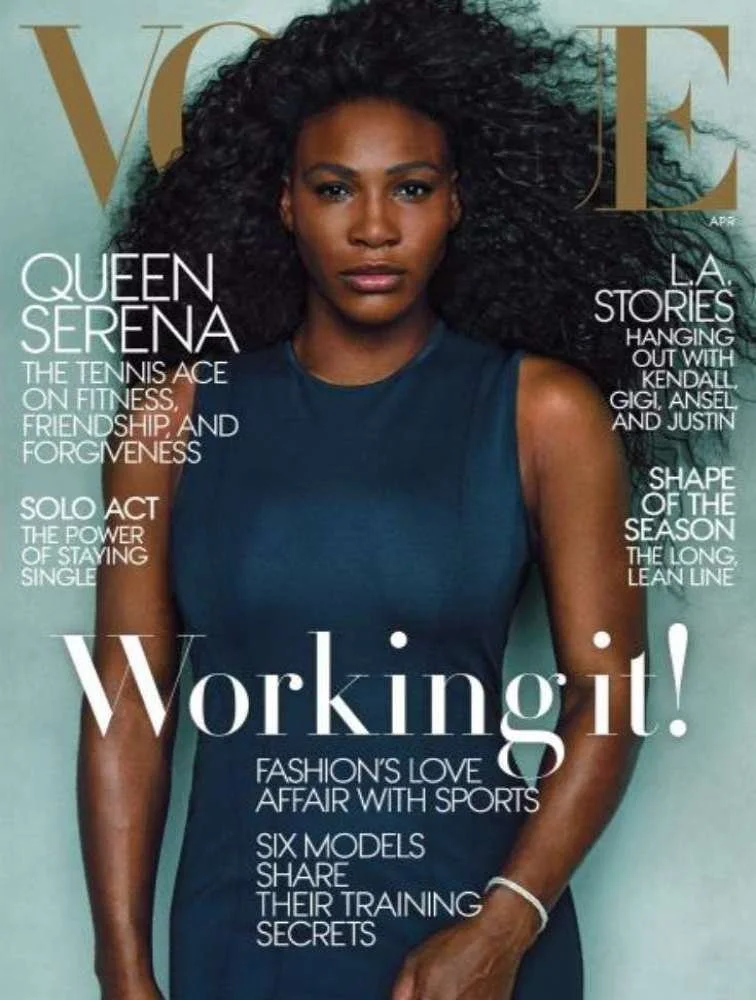
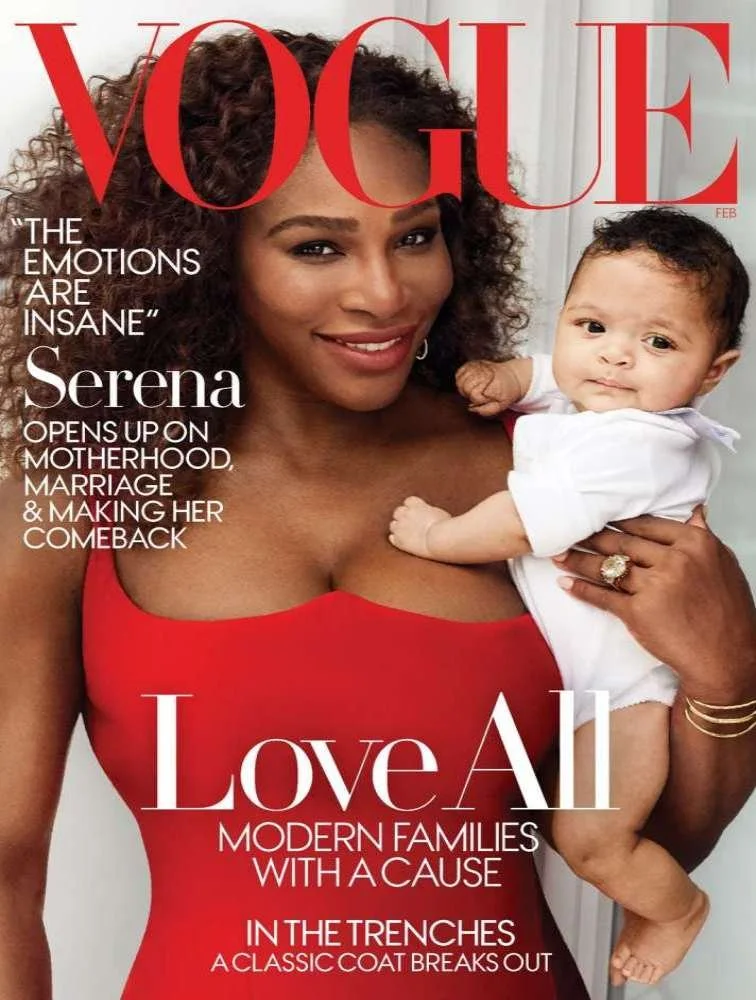
Since 2010, the American Vogue cover has diversified, moving beyond models, musicians, and actresses to include athletes and public figures. Serena Williams was featured on the June 2012 cover in celebration of the London Summer Olympics alongside Hope Solo and Ryan Lochte. She made her first solo cover in 2015. Moving further away from ethnocentric beauty standards, Williams's features announced a move away from stereotypical body images. The highly accomplished tennis player has long been criticized for her muscular appearance throughout her career and ridiculed for her race and stature. This has never stopped her from beating her competition. Williams’ cover bolsters her strength and fitness as a symbol of beauty. By not shying away or backing down, the tennis star’s cover shows her strength in the face of adversity and proves that Black women aren’t going anywhere.
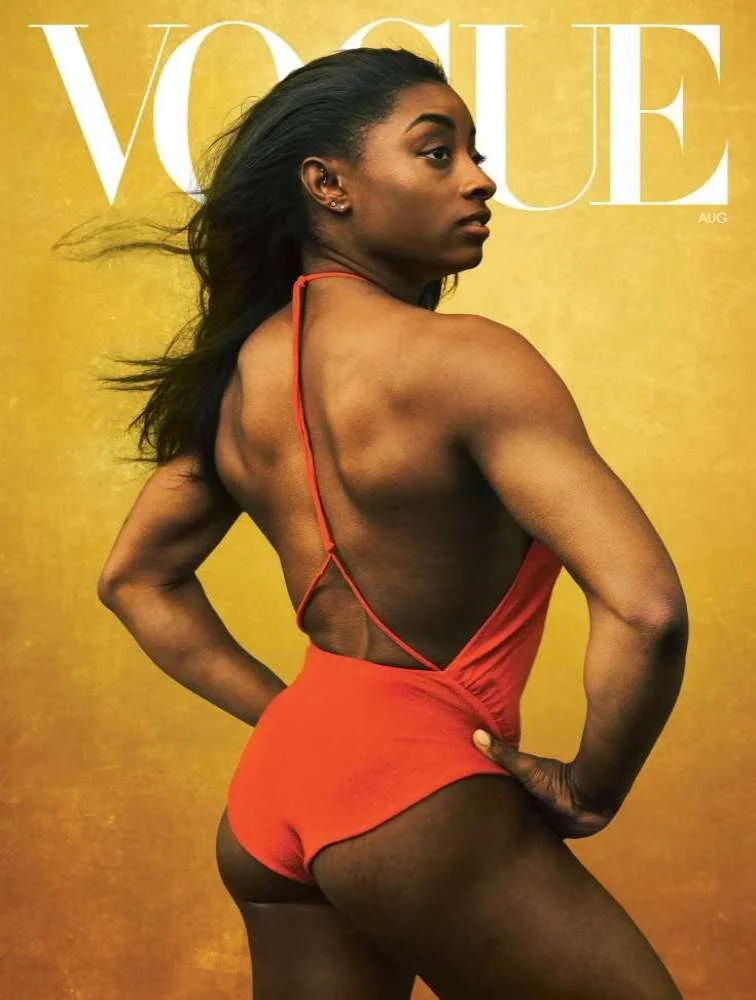
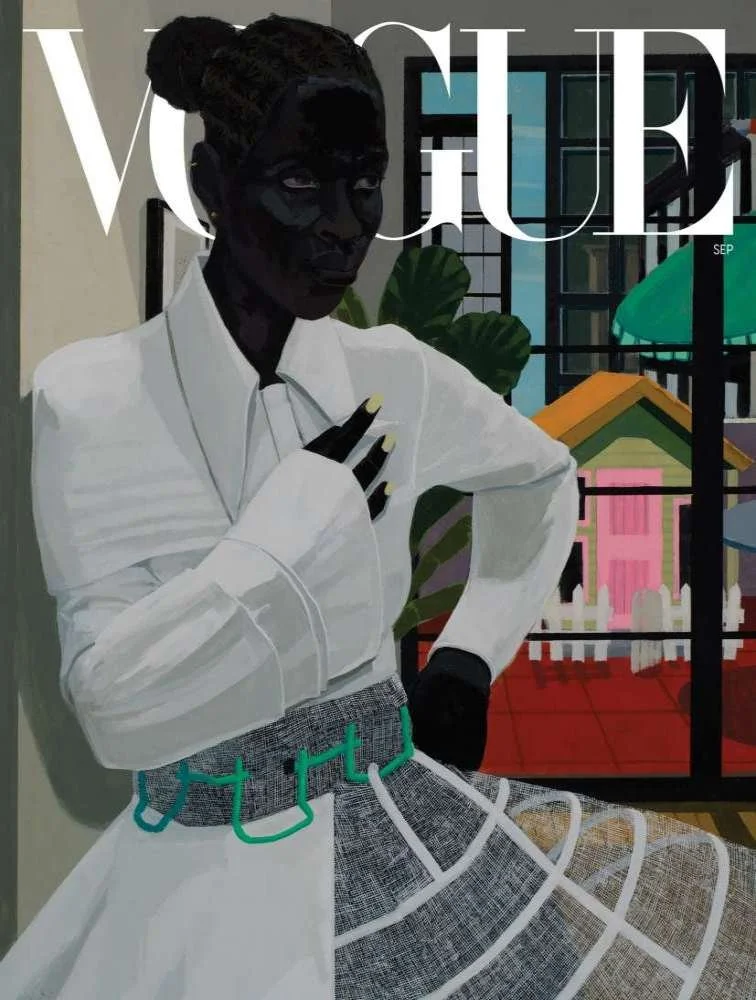
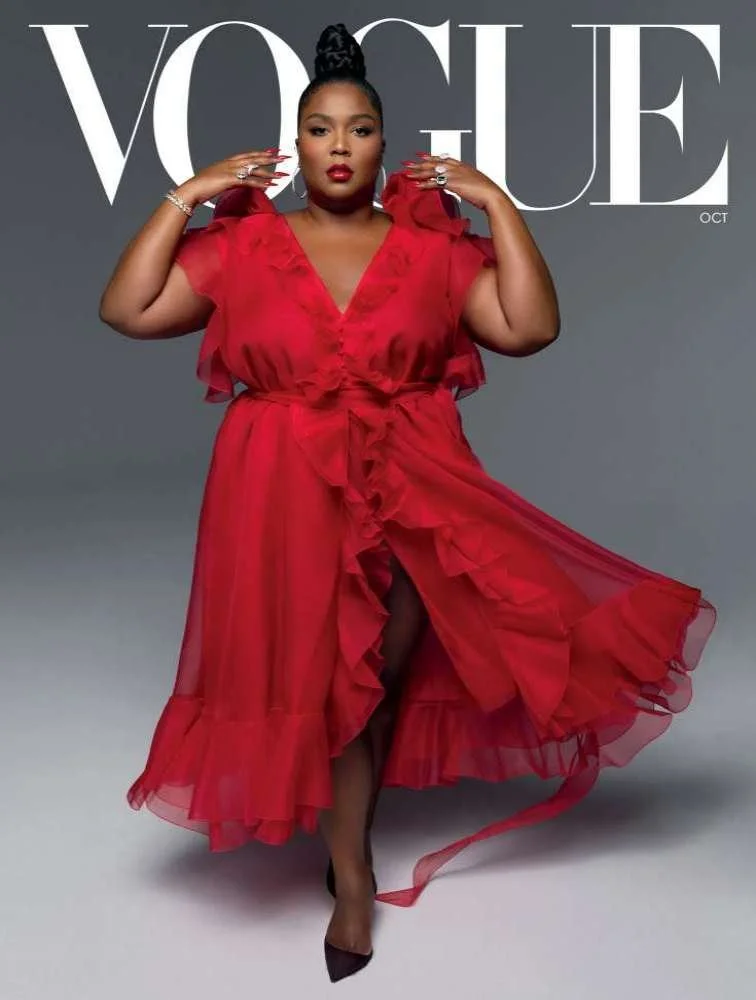
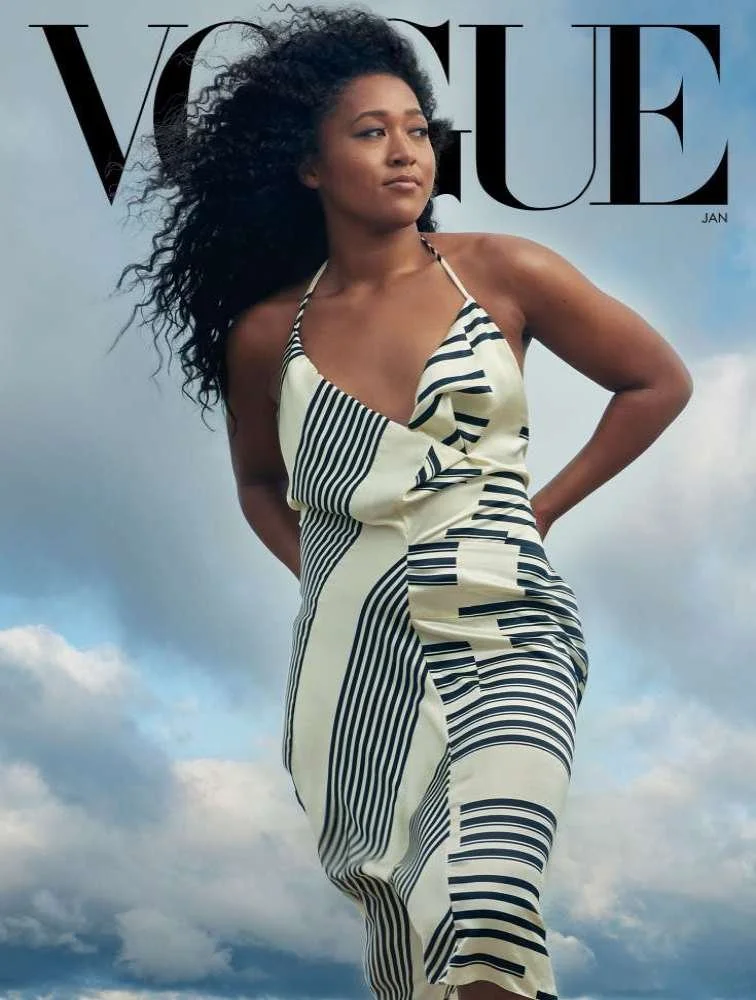
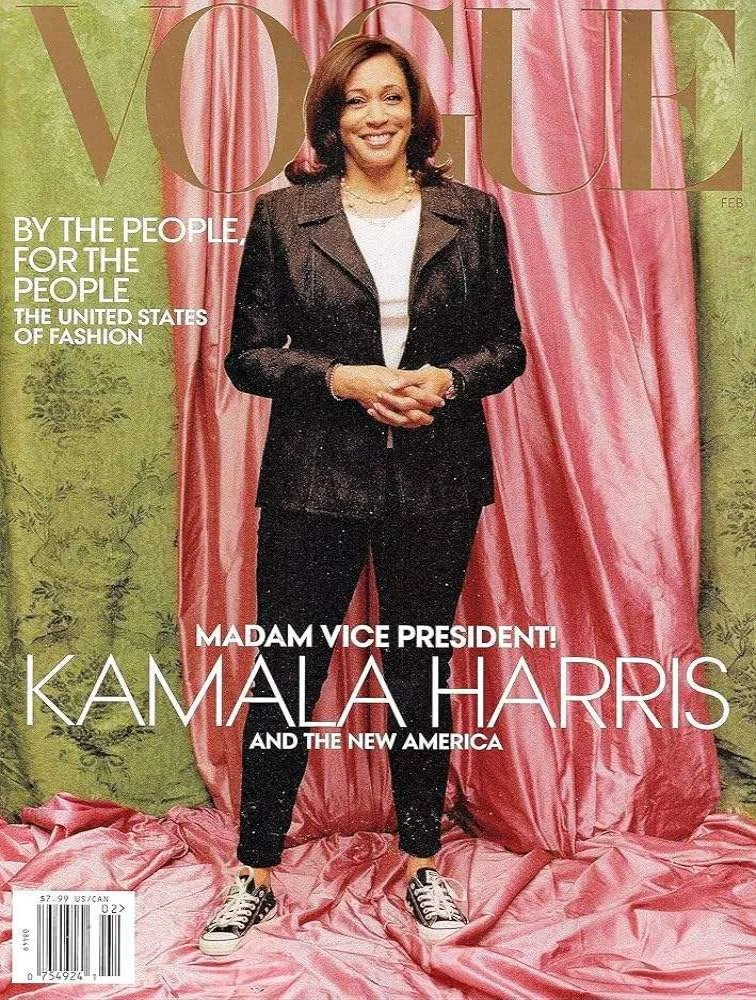
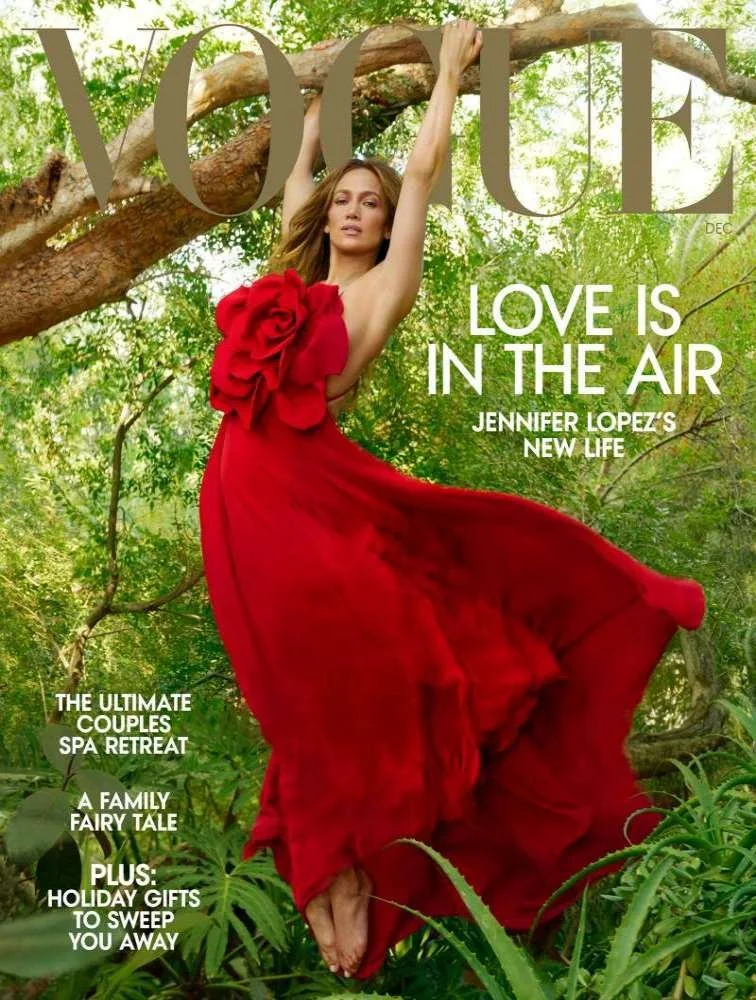
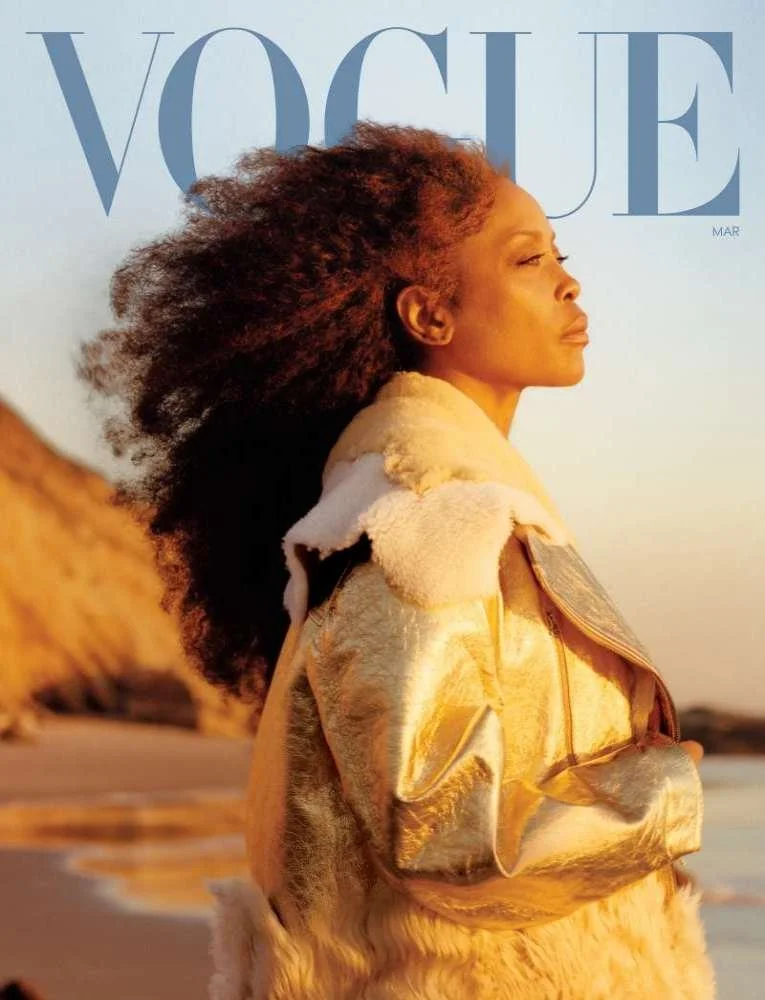
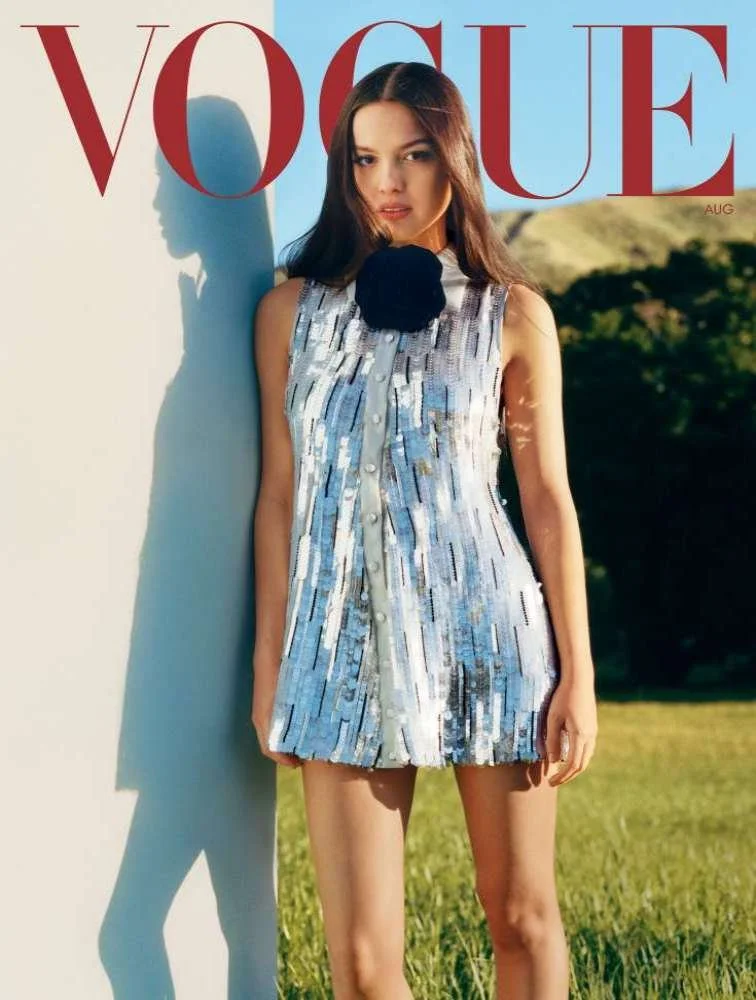
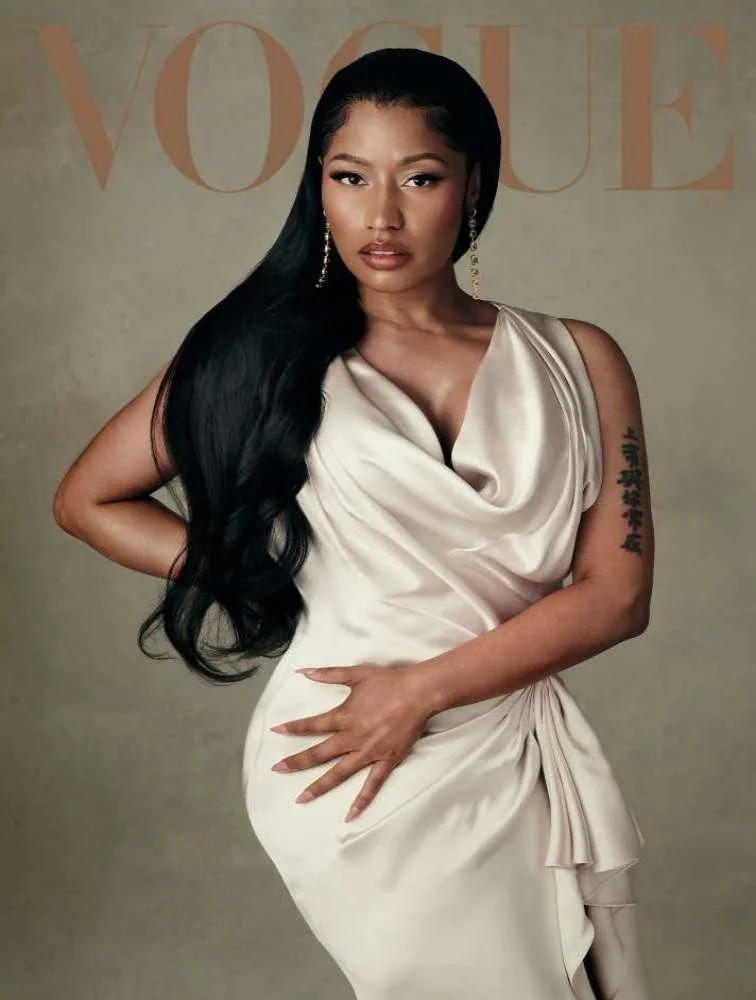
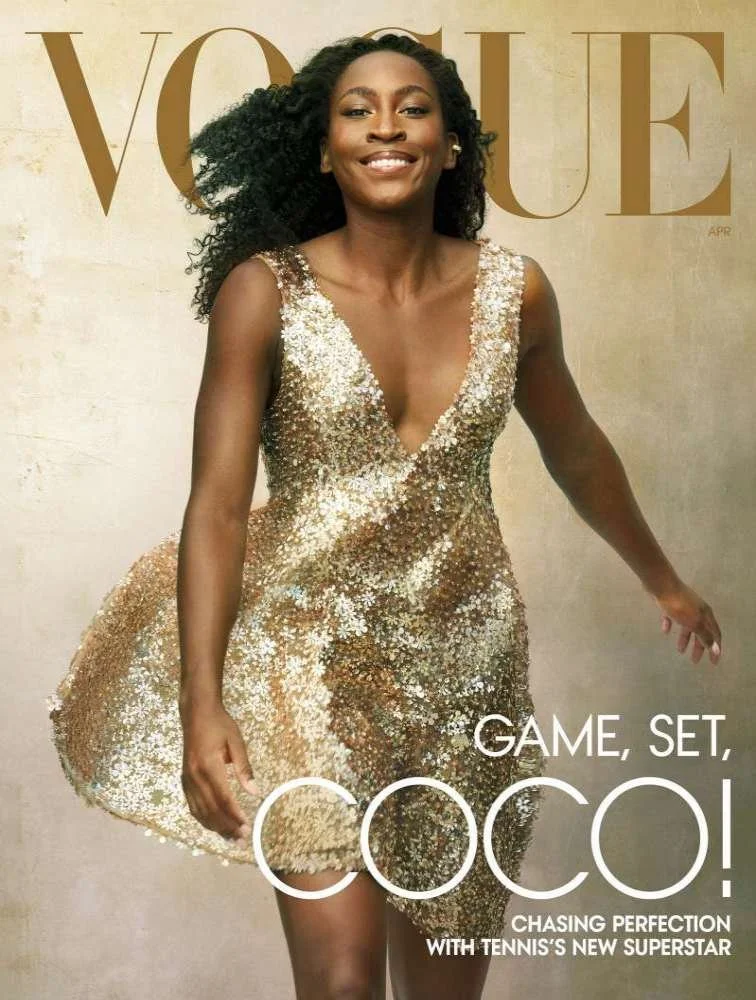
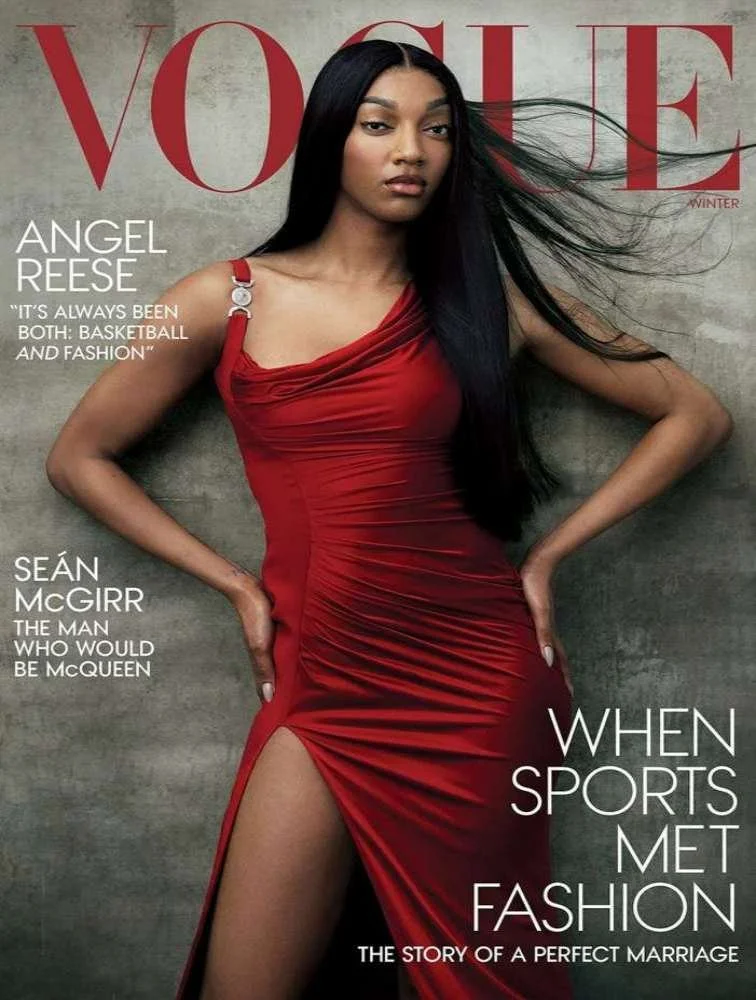
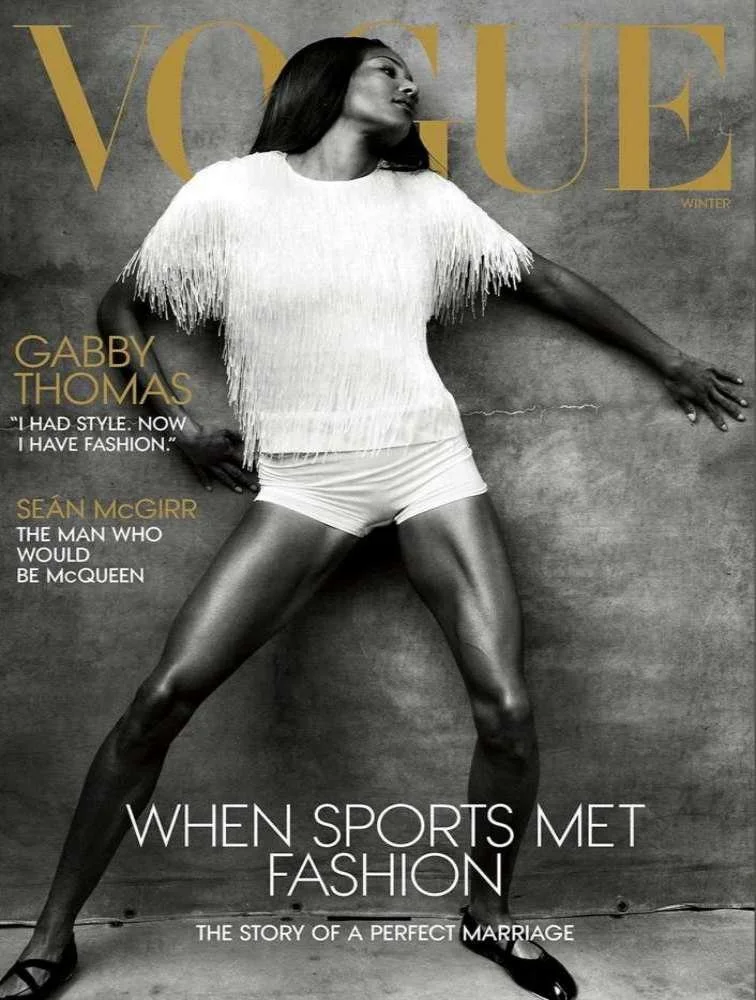
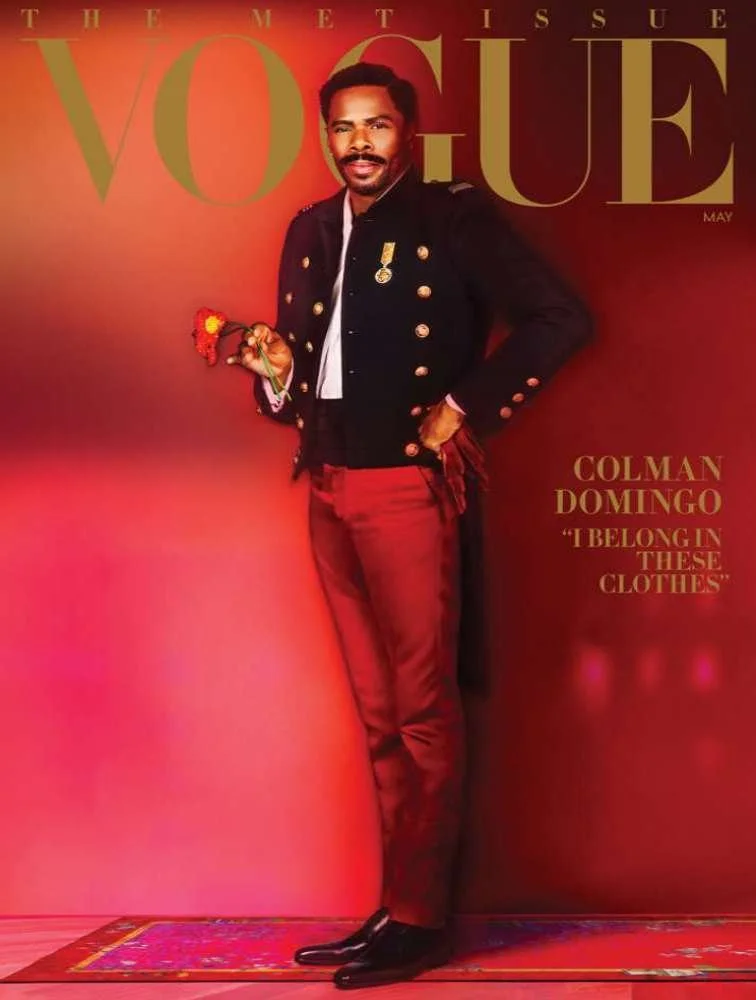
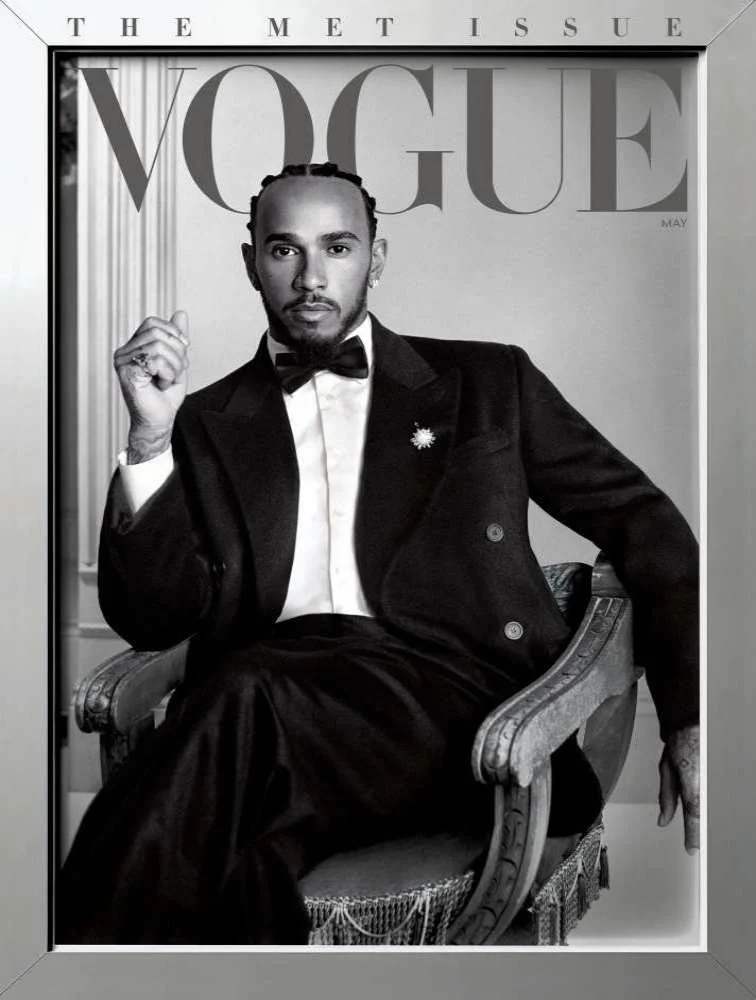
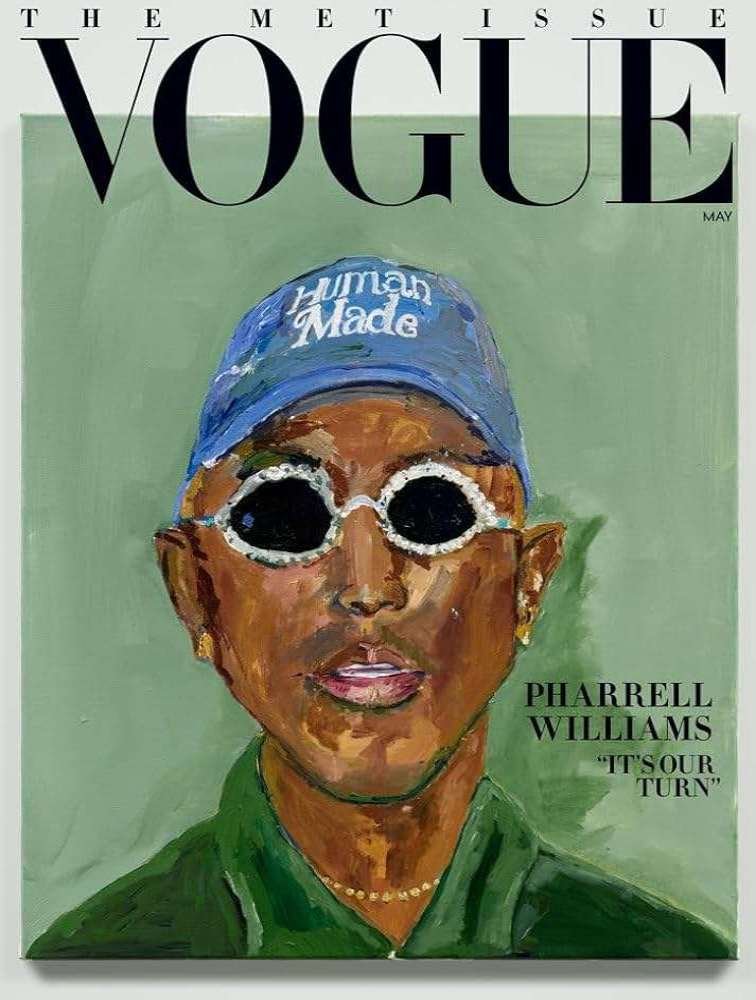
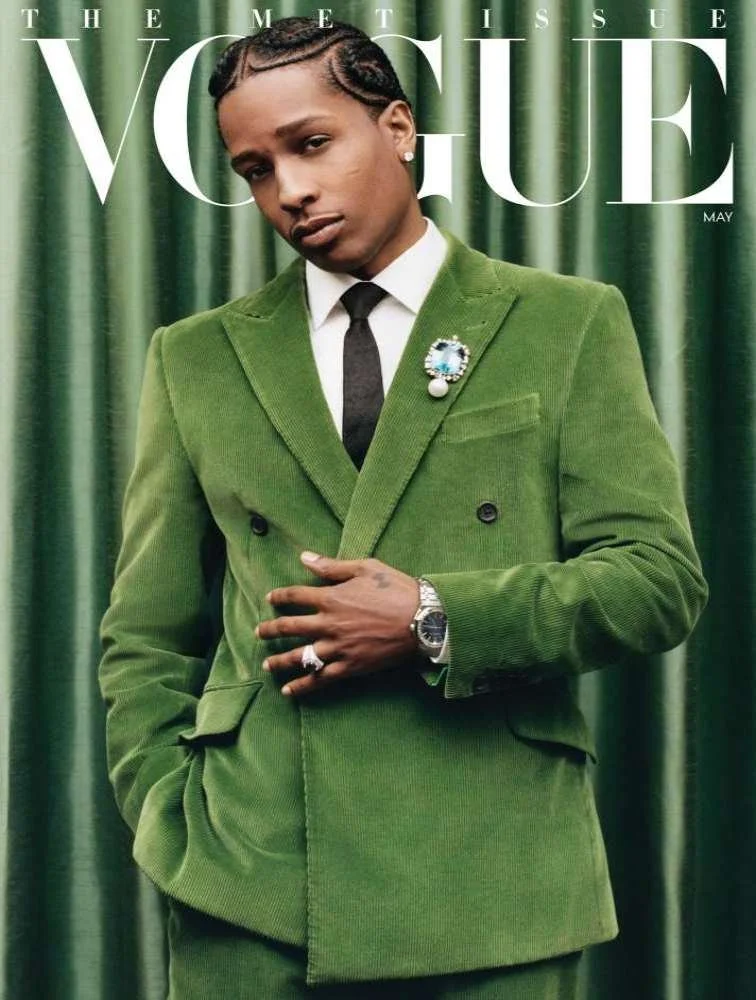
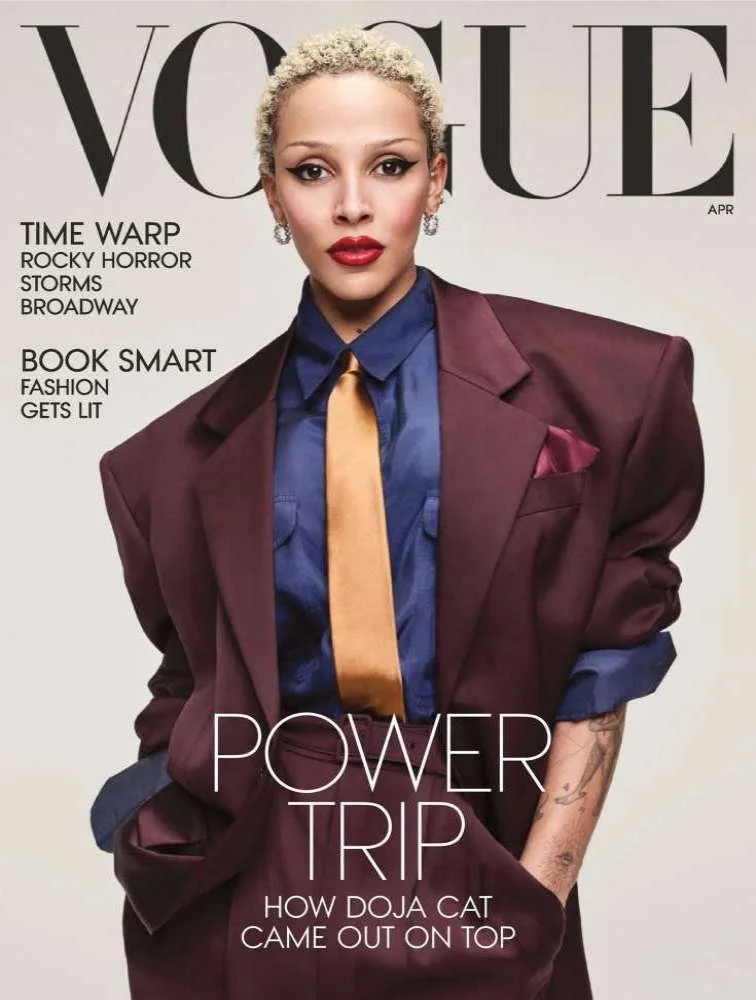
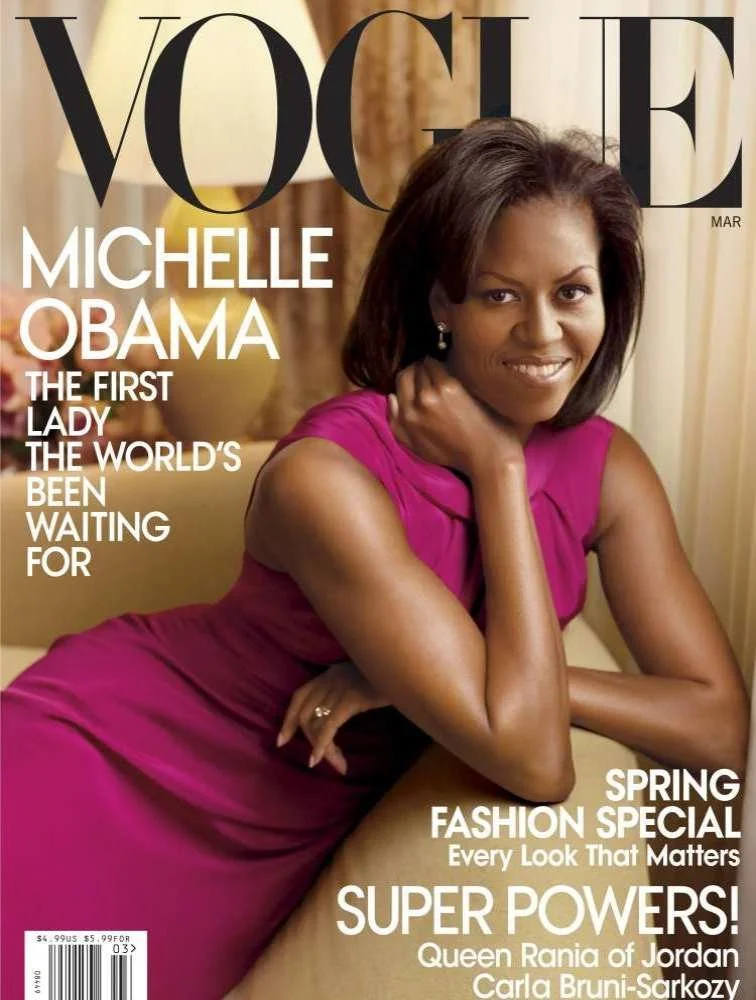
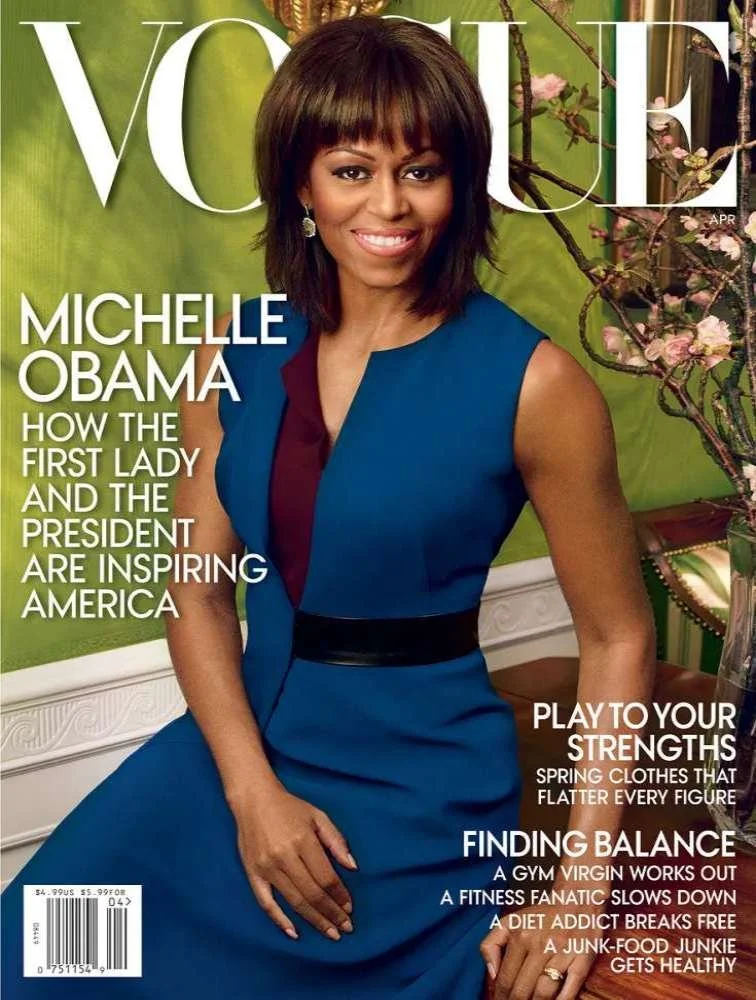
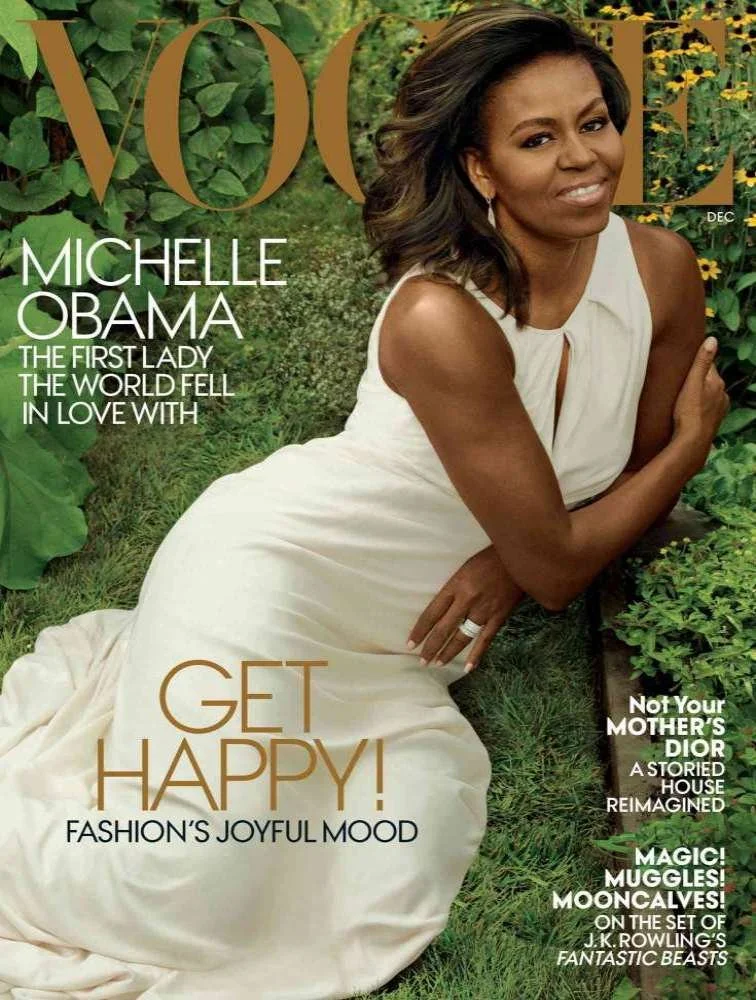
Fellow tennis stars Naomi Osaka and Coco Gauff made appearances in 2021 and 2024, respectively. Other athletes include Simone Biles and Angel Reese, both of whom were under 25 when they debuted. Michelle Obama was the second first lady to make the cover of Vogue, and Kamala Harris was the first female vice president-elect.
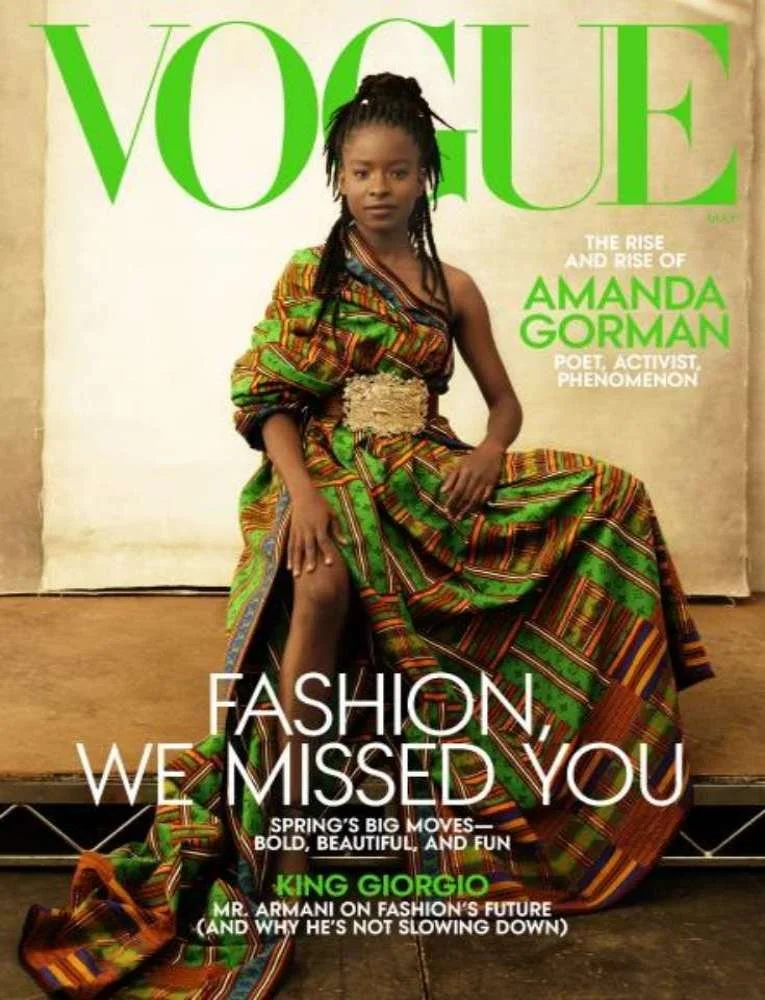
Even more momentous was Amanda Gorman's appearance, the poet who read at President Joe Biden's inauguration. Gorman is the youngest inaugural poet in U.S. history and the first-ever National Youth Poet Laureate. Her work focuses on oppression, women’s empowerment, heritage, and the overlooked. The young activist told Vogue she has a dream of becoming president.
From gold medal winners, groundbreaking models, poets, musicians, and actresses, the multicultural women of American Vogue have proven to the world that they deserve the cover spot. There has been much progress since the summer of ‘74; however, many names who are very deserving are yet to be featured on the cover. By featuring intelligent and powerful individuals, American Vogue has raised the standard for being a cover model, spotlighting change makers, philanthropists, educators, and activists who go above and beyond for small communities, fashion, art, and society.