

Mane Man: What’s The Real Deal With Dandruff And How To Heal Your Scalp
Elisbeth K.
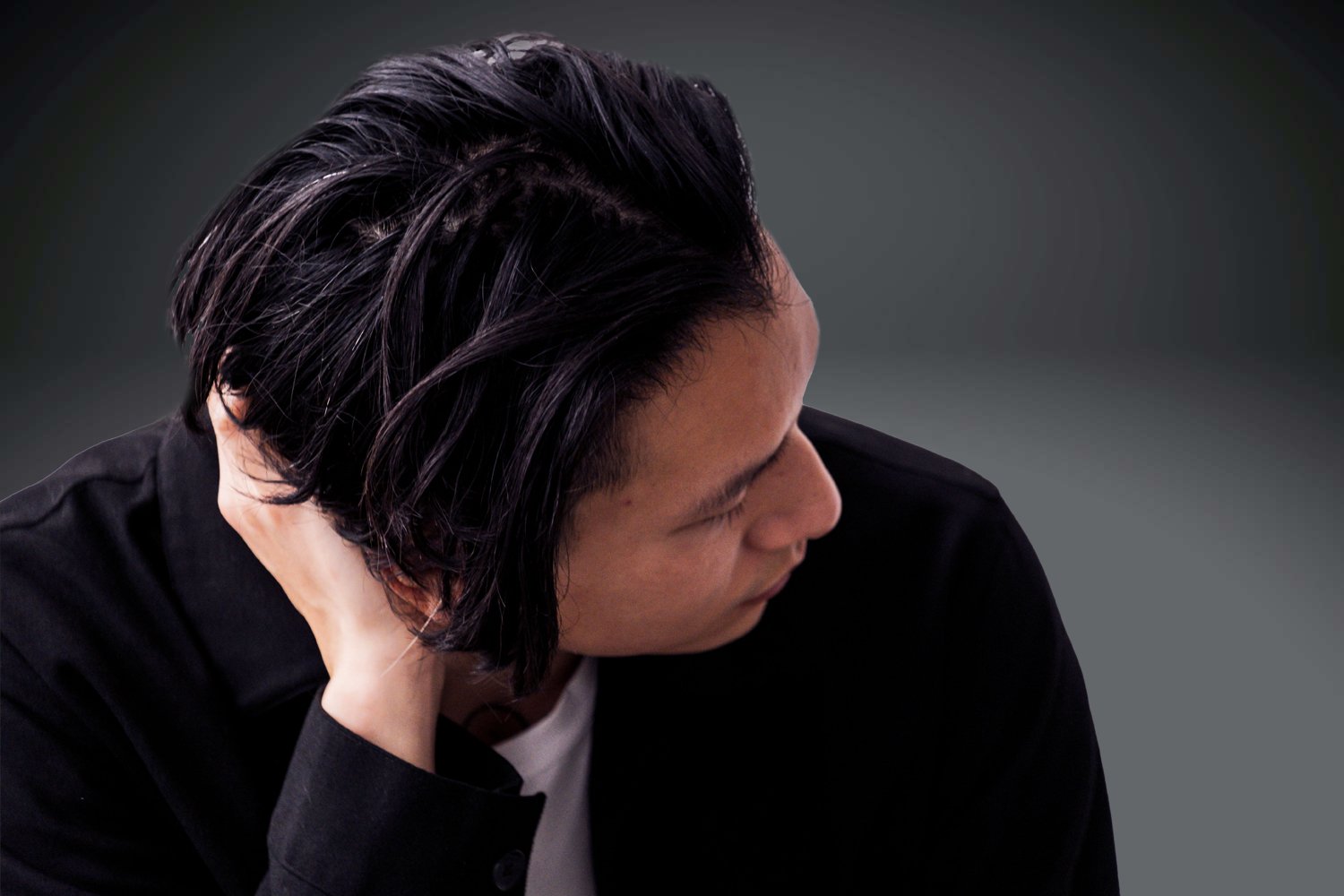
Could the root of all hair evil be the discovery of realizing no, it is not snow on your shoulders or the back of your neck? It’s dandruff. What if we told you that dandruff is your scalp’s natural recovery response to dry scalp, melasma, or even stress from weathered conditions?
It's a natural response to a recurring nightmare. We at The Ambony are delighted to say that you are not dirty or gross. Dandruff is the problem, not you.
In today's issue of Mane Men, we'll cover what dandruff is and how to treat it. Starting with the idea of why we get dandruff.
Why You Get Dandruff
According to the Mayo Clinic, dandruff can arise from several conditions:
It could be a dry scalp: unlike dandruff, a lack of moisture can cause these dried bits of flake skin to dissipate from your hairline
Stress and weather: high stress levels and cold or dry winter bumps can also aggravate this scalp condition.
Product sensitivity, whether it's contact dermatitis or other harsh or highly affected items or styling products, can also cause frequent or worsening flaking.
To treat dandruff effectively, there are a few issues you have to target, whether it's a fungal yeast buildup or thick skin shedding. According to the American Academy of Dermatology, men produce more Sebum, a.k.a. oil, then women, which directly feeds the dandruff-causing Malassezia yeast.
The Washing Technique
If your scalp leans on the oiler side while still being prone to dandruff, consider the two-step washing technique many dermatologists online recommend. Do not scrub and rinse immediately. To get results, structure your shower routine around contact time. Consider starting off with an exfoliating pre-treatment if you have thick, crusty buildup. Use a shampoo containing salicylic acid, or a scalp rinse with apple cider vinegar, and massage into a dryer scalp before stepping into your shower. Wash your body first in order to take up the time to let the steam in your shower break down the hard crust on your scalp.
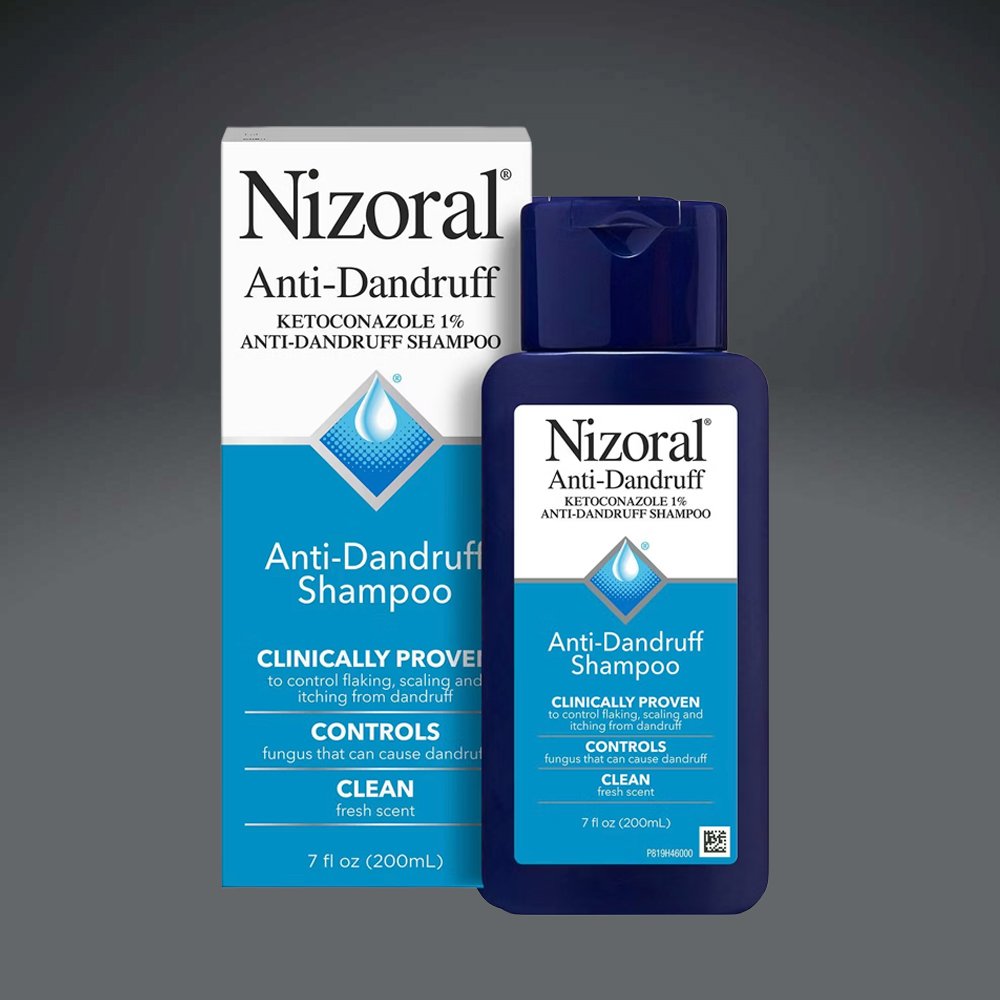
Next, use active ingredients that match your scalp type. If you have stubborn and persistent flaking, consider the Nizoral Anti-Dandruff Shampoo priced at $18.
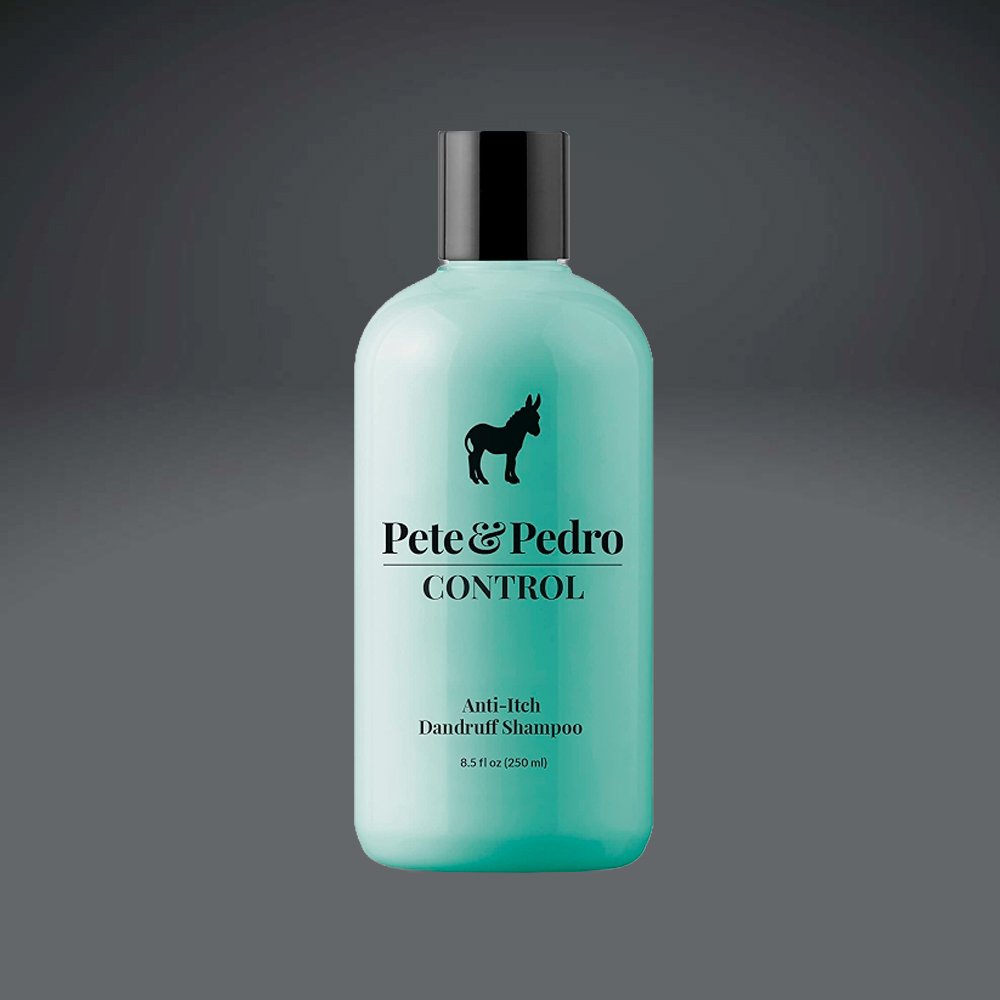
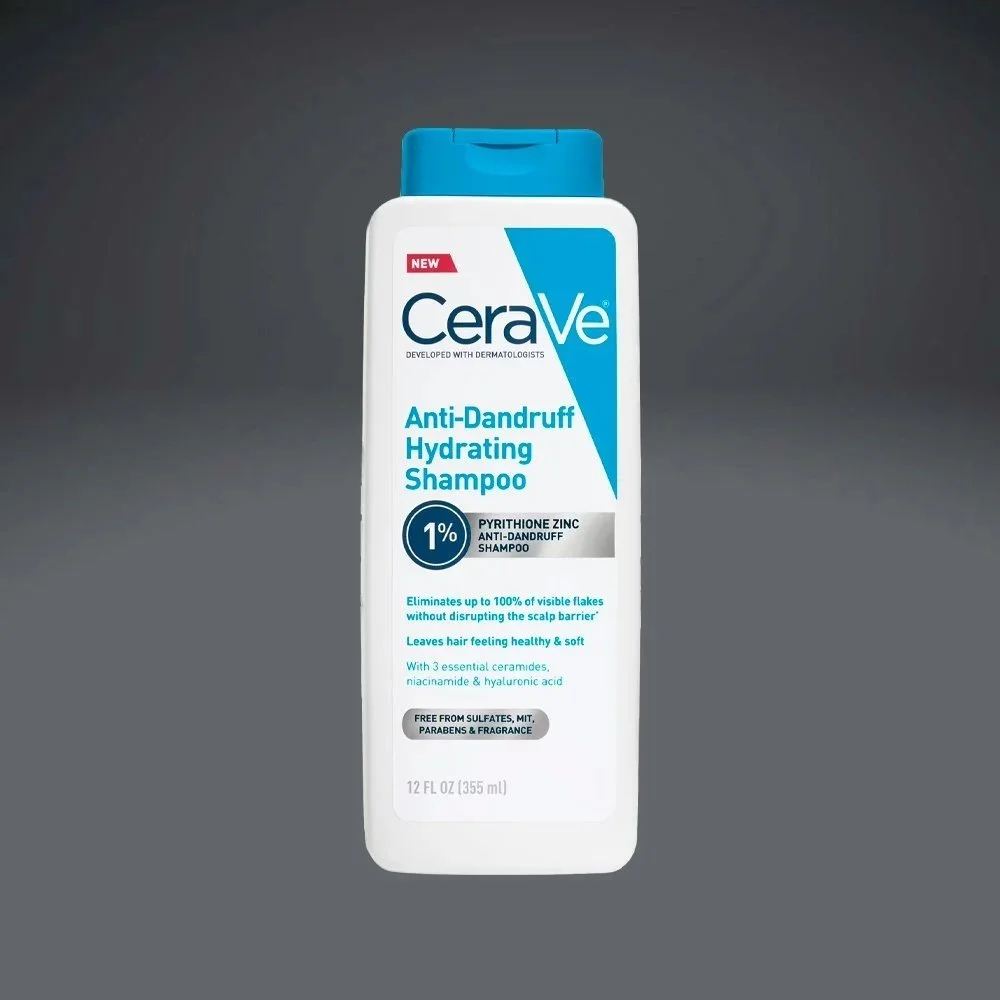
If you experience heavy shedding and redness, look at Pete & Pedro Control Shampoo priced at $20 or the newest-released CeraVe anti-dandruff shampoo and conditioner priced at $12.
By Hair Type
What if you have coarse, curly, or coiled hair? Ideally, wash only when needed, usually once a week. And only apply the medicated shampoo directly to your scalp, as it could severely dry out curly hair strands.
For straight, fine, or oily hair, wash frequently every other day using your medicated shampoo two to three times a week, not every time.
Takeaway
Ditch heavily exclusive waxes and palm oils or hair oils that can trap sebum and be the perfect breeding ground for yeast, and take care of your scalp in relation to sun exposure. Spending a few minutes outdoors each day can naturally reduce scalp yeast; however, if your shampoo contains coal tar, it will make your scalp highly sensitive to UV rays.
Dandruff isn't a dirt issue; it's a battle with fungal villainy. In a world where the concept of hygiene is villainized and weaponized, it shouldn't matter what your hair type is; premium care means adapting. Your scalp chemistry isn't your fault; sometimes, tailoring self-care is your best defense. Consider this permission not to let it snow, but rather to understand that taking care of your scalp, just like brushing your teeth, creates the ultimate first impression that can lead you in the right direction. Truly, here's everything and nothing; don't let your dandruff define you so you can let your hair make the statement.
