

Elegance Doctrine: Ugly shoes are the ultimate symbol of modern culture
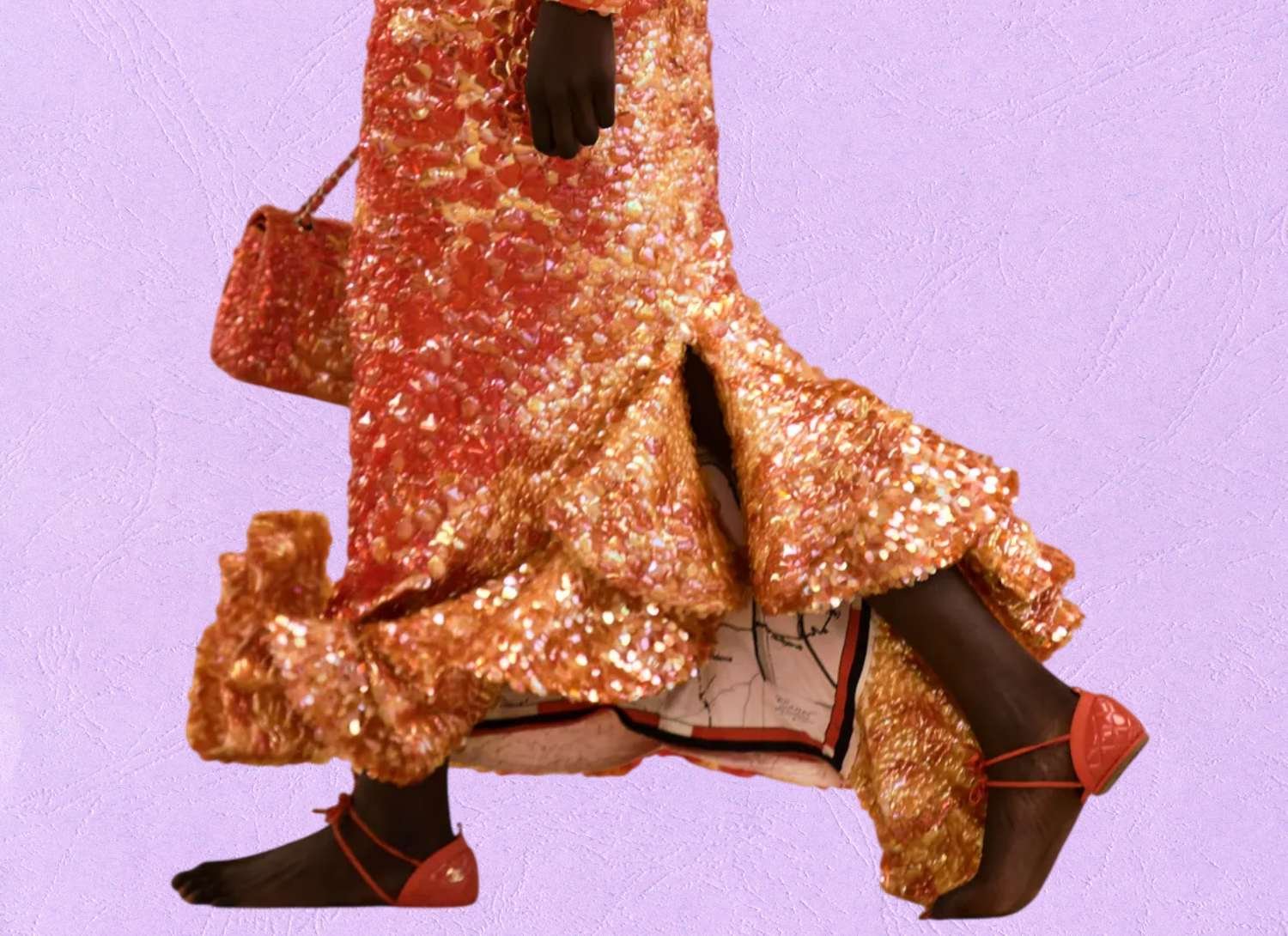
chanel
Chanel’s 2027 resort show debuted a controversial “shoe” consisting of a small heel and a double strap that wraps over the top of the foot to keep it in place. Meant to simulate the look and feeling of walking on the beach, the design is completely soleless and practically unwearable. The price is rumored to be $2,700, and although not yet available for purchase on the Chanel website, this would make a heel with straps $1,600 more than the iconic cream and black ballet flats.
For a luxury house with a customer base located in predominantly urban areas, it was a compelling design choice that has garnered much attention. The shoes of course started lots of online discourse and provided a shock factor, with Instagram user @oldloserinbrooklyn saying the show was “for the freaks,” but for a luxury price, why create and covet a product barely resembling footwear and hardly different than plainly walking barefoot? The latest in a wave of bizarre and objectively unattractive footwear, the Chanel shoe is shocking, fun, and freeing, meaning Gen Z wants it.
Ugly shoes take over the runway
In 2017, Balenciaga came out with the Triple S sneaker which had a stacked rubber sole and resembled the quintessential dad sneaker - mesh panels, lace-up styles, and a tragically orthopedic style. The trend of “ugly” sneakers continued to walk the runways in the late 2010s, however, with Louis Vuitton, Gucci, Prada, and other large houses taking inspiration from the trend.
The appeal of the trend came from two aspects of the ugly shoe - it was unexpected and jarring; it made an outfit more interesting, at times less put together, but nevertheless exciting. The other essential piece of the trend is that the ugly shoes were comfortable. These sneakers with huge padded soles that cost hundreds to thousands became an eye-catching status symbol, showing that you were able to afford to be so unfashionable, wearing a well-recognized label while prioritizing comfort instead of opting for a more flashy designer purchase. This novelty of comfort existing within high fashion helped make the trend what it has become today.
Friction fashion
Stylist Alison Born is credited with coining the term “friction dressing” that has taken off on TikTok and involves adding an unexpected, often ugly, element to an outfit, thus making it unexpectedly cool. The takeoff of this trend on social media has turned it into something only people in the know understand. While my uncle would point out that he has been wearing the same New Balance chunky sneakers for years while his sons called them ugly, young people who understand the trend and have seen outfit inspiration on Pinterest or Instagram can say they just don’t get it.
Friction dressing by default fits into the ugly category. It’s not looking to be something for the masses, instead, it’s a statement that targets a certain age group and demographic who see it on their feeds, accept it as normal, and then recreate it in their own style. Friction dressing carries a similar statement to the luxury sneaker trend where there exists a hushed understanding within a designated group; this being the appeal.
Dopamine dressing
A second trend born from TikTok during the COVID-19 pandemic is dopamine dressing. In essence, dopamine dressing is choosing to wear whatever makes you happy. It really is as simple as that. Fashion psychologist Dr. Dawnn Karen pioneered the term when researching how clothing impacts mood, and the trend took off on social media a number of years later. By choosing colorful, vibrant patterns, tactile textures, or heavily nostalgic or personally exciting pieces, you too can create a dopamine-boosting outfit.
The key to the connection between dopamine dressing and the ugly shoe trend is the joy of wearing a shoe that’s bright, unexpected, physically joyful in the level of comfort they provide, or sentimental in some way. Dopamine dressing and friction dressing go hand in hand, both relying on a feeling or a boundary cross rather than a specific aesthetic to achieve the look.
Five fingers
We are now at the stage of the trend of ugly footwear where Five Finger Vibram shoes (a mesh water shoe where each toe is separated like a glove) are mainstream and worn as street style from New York City to Amsterdam. The shoes are comfortable, easy to stand or walk in for long periods of time, and so ugly you want to believe they’re cute. Five fingers have since done collaborations with Balenciaga and have been seen on celebrities like Doechi and Blackpink’s Jennie.
Reminiscent of swim shoes from childhood, Keens, or climbing shoes, the trend is aggressively nostalgic for the former outdoorsy kids. Statistics show that in times of economic uncertainty (like during the pandemic or the current American presidency) trends tend to fall back to sentimentality, which is what has made dopamine dressing, Y2K, and of course, the shoes we wore in our childhood able to come back in style and thrive in a modern landscape.
Nostalgia, comfort & community joy
A cross of our need for novelty and newness in fashion in addition to the economy and pandemic’s influence on the emotional state of young people, means that consumers are now seeking nostalgic trends and comfort-first fashion. With an added element of being able to afford the most simple luxuries, a symbol of our economic zeitgeist where consumers do not want to show off their wealth with labels, but rather, invest in timeless pieces that will last. The current environment is perfect for ugly shoes to flourish in.
Ugly shoes did not magically become cute, they are necessarily impossible to style, and they represent pieces of something that we are all seeking at this moment. So Chanel’s sandal creation can be described as a sign of the times with the desire to push boundaries, simulate the barefoot experience, build a look exclusive to a generation and community, and to craft luxury for quality and comfort. The ugly shoe has become an icon of the current era of fashion and a symbol of consumer’s priorities.
