

The New Fame Economy: How TikTok, YouTube, and Influencers Are Redefining Celebrity
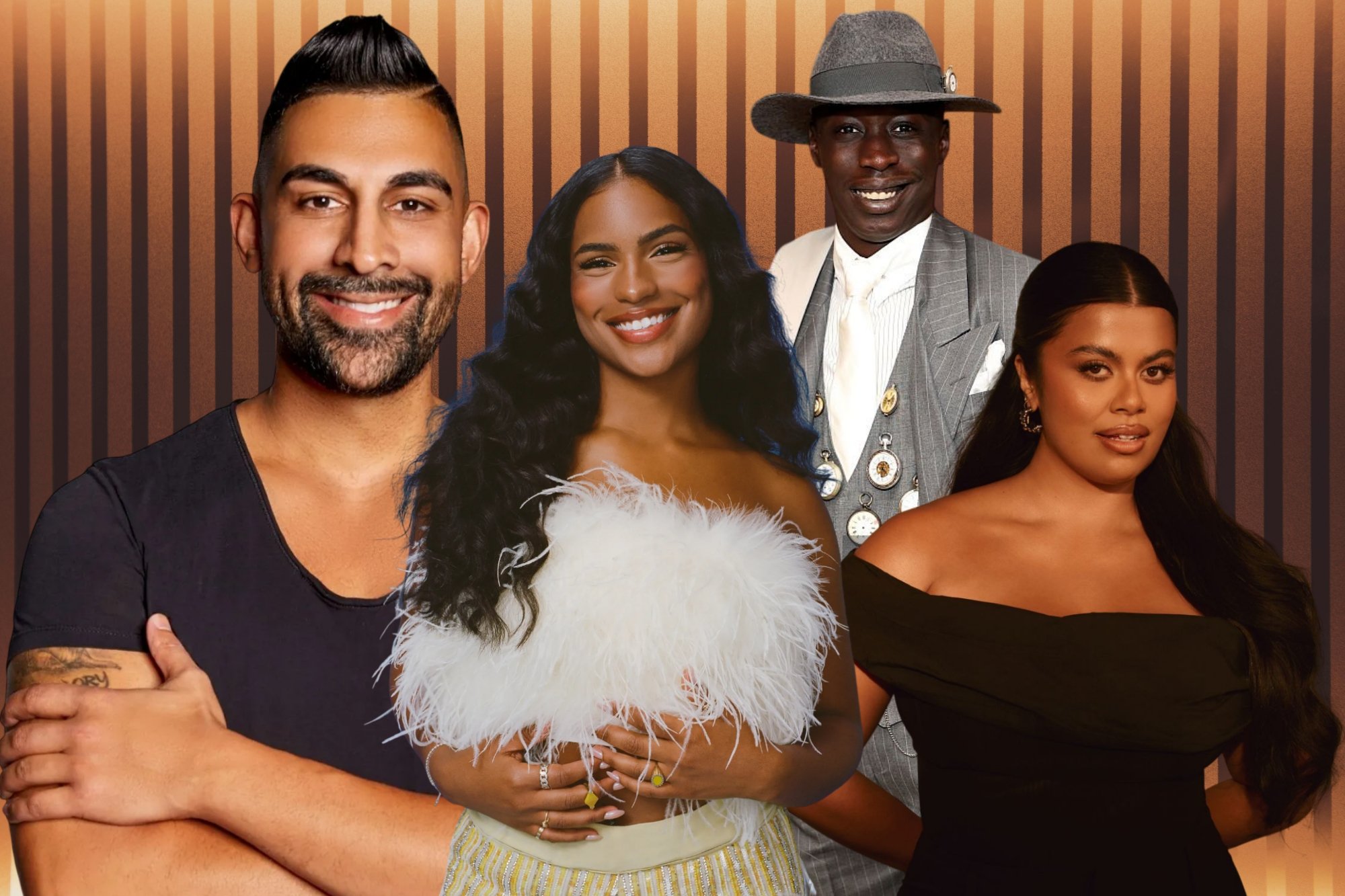
From left to right: dHar mANN, Monet MichaeL, KHAMBY LAME, AND Drew Afualo
In the era when a viral video can turn a nobody into a star and when that “star” might be a gamer, a wellness guru, or a TikTok commentator rather than a movie star, we’re witnessing a transformation: the rise of the New Fame Economy. Traditional celebrity used to mean a role in a blockbuster, a magazine cover, or a star turn in the press. Today it increasingly means algorithmic visibility, niche authority, parasocial connection, and monetisation via followers.
Platforms like TikTok, YouTube, and Twitch have lowered the gatekeepers and shifted the centre of gravity from studios and talent agencies to self-built person-brands. In this piece, we’ll explore why this shift has happened, how it works, how people (and brands) are profiting, and what it means for the legacy industries of fame, as well as for us as cultural consumers.
Democratisation of Fame
Once, you needed a studio, a publicist, a magazine, and a big advertising budget to become a “star.” But now, the very nature of attention has changed. Anyone with a phone, an internet connection, and a personality can, potentially, be seen. This is the first key characteristic of the New Fame Economy.
Take the fact that the global creator economy is now enormous: some estimates expect it to reach $528 billion by 2030, growing at a compound annual growth rate of about 22.5 %. Meanwhile, in influencer marketing alone, the market size is projected to reach around $32.55 billion in 2025. According to a Manychat blog, The New 15 Minutes: How the Creator Economy Is Speedrunning Fame (and Failure): “The creator economy is worth over $250 billion, with projections indicating it will surpass $480 billion by 2027.”
Why does this matter? Because it means fame is no longer strictly the domain of movie stars and pop stars. It’s increasingly the domain of digital-native personalities — commentators, gamers, lifestyle influencers, wellness gurus — who build followings directly and monetise them directly.
The Person-Brand and Algorithm-Driven Visibility
In the New Fame Economy, the “brand” is often the person. We call them “person-brands” for a reason: you are the brand. The more authentic your story, the more distinctive your voice, the more likely you are to be seen. Platforms reward personality, niche authority, and frictionless “relatability.”
In other words, you don’t just make content — you are content. And the algorithm is your co-star. On TikTok, YouTube, Twitch, the difference between obscurity and virality often comes down to how the algorithm surfaces your content. As the Manychat piece puts it:
“You can have a team of ten behind you, but if the algorithm turns off the faucet, the empire dries up overnight.”
The consequence: visibility is fast, but also fleeting. One viral hit can change everything, but staying visible requires constant output, connection, and often reinvention.
Niche Authority & Parasocial Relationships
What’s changed culturally is that audience relationships are more direct, more intimate, and yes, more parasocial. The niche creators build tight-knit communities around specific interests (gaming, wellness, finance, whatever), and their followers often feel like they know them. That feeling of “I’m following someone like me, someone real” is powerful.
Brands have noticed. According to the affiliate marketing platform, Impact: “60 percent of consumers say they trust creators who are relatable.” Meanwhile, micro-influencers (those with modest follower counts) often deliver higher engagement rates than mega-influencers.
So, let’s do the math. The new fame economy thrives on niche authenticity + algorithmic lift + the feeling of “this person is in my head and on my feed”. The old celebrity might have seemed distant; today’s influencers feel “close enough to touch.”
Monetisation: More Channels, More Control
In the old model, a celebrity got paid for a movie, an endorsement deal, a magazine cover, maybe a tour. In the new model, creators monetise through a variety of channels they can control themselves:
Brand deals and sponsorships.
Merchandise and digital products (creator-branded sweatshirts, ebooks, apps).
Fan support (subscriptions, memberships, “super chats”, Patreon etc).
Affiliate marketing and direct commerce: “I recommend this product; you buy it; I get a cut.”
Creator-founded businesses: once the person-brand is strong, you launch your own company.
Furthermore, on Impact: “Creators monetise their skills, content, and communities across multiple channels: • Subscriptions • Digital products • Affiliate links.” But here’s a reality check: in the 2025 Creator Earnings Report, more than half of creators still earn under $15,000 per year. So yes, there are stars, but many are still hustling.
Brands are shifting budgets accordingly. For instance, a 2024–2025 study found 70 % of U.S. brands now invest or plan to invest in influencer/creator marketing.
You may wonder, what’s behind this change? Well, several forces converge:
Platform evolution & lowered barriers. Let’s do some more math: Smartphones + high-speed internet + platforms that reward creators = lower entry costs for “fame”.
Changing attention economy. Audiences no longer necessarily go to scheduled TV; they scroll feeds, rewarding immediacy, transparency and personality instead.
Desire for authenticity. Traditional celebrities often felt polished and distant; creators feel “you can follow their journey.”
Economic opportunity. Brands realise that creators with engaged communities drive conversions and not just awareness.
Business model shifts. With ad revenues and audiences fragmenting, the person-brand model becomes more viable.
Cultural shifts. The definition of “celebrity” broadens. The commentator, the stream-gamer, the micro-influencer can become a cultural tastemaker.
What It Means for Legacy Industries
If fame once flowed through Hollywood studios, record labels, and glossy magazines, the New Fame Economy has blown the gates wide open. The traditional power brokers (agents, producers, executives) no longer control visibility. You don’t need a movie deal or a label to build an audience; just a platform and something worth saying.
Media companies, once the arbiters of celebrity, now function as platforms for creators rather than distributors of stars. Brands, too, have evolved from using influencers as billboards to collaborating with them as creative partners. The result is a new ecosystem where influence isn’t only borrowed, but is co-authored.
However, this landscape moves fast. Viral fame can propel someone into the spotlight one week and erase them the next. “Creator churn” is real. When the algorithm turns off the faucet, the empire dries up overnight. As creators launch their own brands and businesses invest in influencers, the line between person and company blurs, complete with managers and PR teams built around individual personalities.
Legacy celebrities haven’t vanished, but they’re no longer the only stars in orbit. They now share the stage with digital-native figures who are more agile, niche, and intimately connected to their audiences. In this economy, cultural power is decentralized, and theoretically, anyone can have a shot at it.
We’ve seen this kind of fame turnover before, when Hollywood actresses replaced supermodels on magazine covers. Now, the cycle is shifting again.
The Future of Celebrity & What Comes Next
As the New Fame Economy matures, fame will only splinter further. Expect more niche-first celebrities — creators who rule specific corners of the internet, from gaming analysts to wellness coaches to finance educators turning spreadsheets into storytelling. Their clout will come from community, not mainstream exposure.
The divide between creator and brand will continue to fade. Increasingly, the creator is the brand. Companies now treat individuals as full-scale media networks, leading to more direct-to-fan ecosystems: memberships, merch drops, and exclusive communities that bypass traditional advertising altogether.
Still, the algorithm remains king. Visibility depends on strategy, adaptability, and luck. This dependency brings pressure, burnout, and the constant risk of disappearing when engagement dips.
Meanwhile, new cultural and regulatory questions are emerging: What counts as authentic when authenticity itself is monetized? How transparent should partnerships be? And who ensures fairness in an economy ruled by opaque algorithms?
Legacy media will have to adapt or risk irrelevance. Television, film, and magazines will increasingly turn to creators as collaborators, not just talent. In the end, the future of celebrity may not belong to Hollywood or Silicon Valley, but to those who master the space in between — part artist, part entrepreneur, and entirely self-made.
