

Rhythm Review: Isaiah Rashad Finds Clarity Inside the Haze on ‘IT’S BEEN AWFUL’
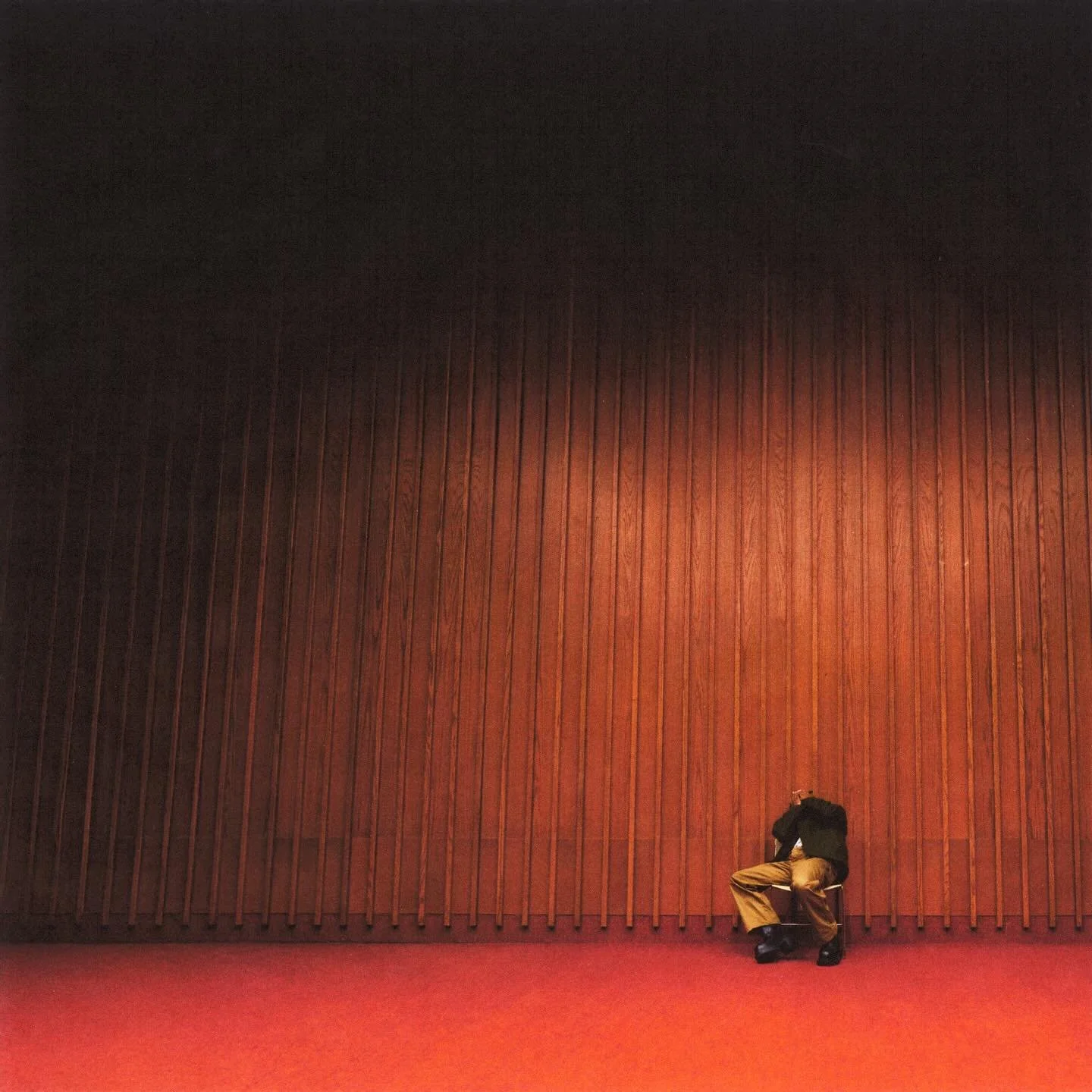
In an era where rap albums often fight for attention within the first thirty seconds, Isaiah Rashad takes the opposite approach on IT'S BEEN AWFUL. The album moves slowly, settling into hazy guitars, reflective writing, and somber performances that reveal themselves gradually rather than all at once. It is one of the smoothest and most immersive projects of Rashad’s career, even if that same restraint occasionally keeps parts of the album from leaving an immediate impact.
Rashad has always occupied a unique space within modern rap, blending Southern hip-hop with warm R&B textures and deeply conversational songwriting. Since first emerging with Cilvia Demo in 2014, he has built a reputation on vulnerability as much as technical ability, often approaching rap less like performance and more like conversation. Across projects like The Sun's Tirade and The House Is Burning, Rashad has consistently written through addiction, depression, isolation, and burnout without flattening those experiences into neat resolutions. That openness became central to his appeal. Even at his most laid-back, there has always been tension sitting underneath the music.
That tension feels especially important leading into IT’S BEEN AWFUL. Following the release of The House Is Burning in 2021, Rashad once again drifted into a long period of relative silence. The gap between projects carried familiar uncertainty for fans who had already watched him disappear for years between earlier releases due to rehab, addiction struggles, and mental exhaustion. In interviews surrounding his latest release, Rashad has openly discussed needing to step away from music to rediscover himself following leaked videos of him posted online in 2022. Rather than returning from that period sounding triumphant, IT’S BEEN AWFUL feels like the work of someone still actively processing the aftermath.
Suspended In Between Claity and Numbness
That context hangs over the album without ever overtaking it completely. Where The House Is Burning often carried the energy of resurfacing; IT’S BEEN AWFUL feels slower, heavier, and far more emotionally exposed. Rashad spends much of the project reflecting in real time, occasionally speaking between tracks as if processing his thoughts alongside the listener rather than presenting fully formed conclusions. The album rarely pushes toward dramatic catharsis. Instead, it settles into uncertainty, allowing conflicting emotions to exist beside one another without forcing resolution.
Much of IT’S BEEN AWFUL feels suspended between clarity and numbness. Throughout the album, Rashad moves through themes of intoxication, lust, escapism, and self-reflection with a delivery that rarely becomes explosive, even when the subject matter grows heavy. His performances drift through fogged-over thoughts with a quiet calmness that feels intentional rather than detached. There is a looseness to the album that mirrors the emotional blur he seems to be navigating in real time.
The atmosphere created through Rashad’s vocal performances is reinforced by the album’s production. IT’S BEEN AWFUL leans heavily into dreamy, guitar-driven instrumentation reminiscent of artists like Steve Lacy and later feature Dominic Fike, staying grounded in Rashad’s Southern sensibilities. The production often has an airy, floating feel that is warm and immersive like his other work, yet this time there is that lingering sense of melancholy. Guitars shimmer gently across tracks while percussion remains subdued, creating an atmosphere that feels more emotionally immersive than rhythmically aggressive. Even in its most introspective moments, there is a brightness that keeps the album inviting rather than emotionally cold.
Tracks like “M.O.M” and “BOY IN RED” immediately stand out as some of the project’s most hit-worthy moments, balancing Rashad’s laid-back delivery with sharper hooks and polished production. They feel like the clearest examples of the album’s ability to satisfy both active listeners and more casual audiences looking for something smooth and replayable. “BOY IN RED” especially captures Rashad at his most effortlessly melodic, floating across the production without losing the intimacy that defines much of the album.
Outside of those highlights, the album’s first stretch occasionally feels too restrained for its own good. Some of the quieter moments dissolve so deeply into the album’s haze that they begin to feel less like individual songs and more like passing emotional states. Rashad’s mellow performances and the soft-focused production create an immersive atmosphere that is occasionally too comfortable for its own good. At times, tracks drift so gently through the project’s subdued mood that they risk fading into the background entirely, especially on a first listen.
While the slower pacing strengthens the album’s reflective tone, it occasionally comes at the cost of immediacy. That issue becomes most noticeable following “SAME SH*T,” one of the weaker tracks on the project despite its placement as the lead single. While not necessarily a bad song, it lacks the emotional pull and sonic distinctiveness found elsewhere on the album, making its early placement feel slightly misleading in comparison to the stronger material surrounding it.
A Project That Rewards Patience
Still, those quieter moments begin to make more sense once the album’s themes fully settle in. The slower pacing and muted textures start to feel less like a lack of energy and more like an extension of Rashad’s emotional state throughout the project. Substance use runs through the album less as spectacle and more as atmosphere, shaping the pacing, the performances, and even the emotional distance within the music itself. Moments of pleasure, reflection, escapism, and exhaustion blur together into the same fogged emotional space. Rashad rarely frames these experiences in dramatic terms. Instead, they drift through the album casually, which makes the project feel more emotionally honest.
For listeners willing to sit with the album beyond a single playthrough, that restraint gradually becomes one of its defining strengths and the second half is where the pacing noticeably sharpens. Beginning around “GTKY,” IT’S BEEN AWFUL becomes a more vivid and energized experience. The run from “GTKY” through “CAMERAS,” “ACT NORMAL,” “10 STATES AWAY,” “NUTHIN 2 HIDE,” “SUPRPWRS,” and “719 FREESTYLE” gives the album a stronger sense of movement without sacrificing its introspective tone. The hooks become sharper, the tracks stand out more individually, and Rashad himself sounds more present within the music.
“CAMERAS” stands out as one of the project’s most interesting moments, largely due to its collaboration with Dominic Fike. The track leans heaviest into its guitar-driven production, pushing the album’s dreamy alternative hip-hop feel further into alternative indie territory. The chemistry between the two artists works well sonically, though the song occasionally feels closer to a Dominic Fike record featuring Isaiah Rashad rather than the reverse. Even so, the production wraps around both artists in a faded glow that perfectly captures the album’s atmosphere.
What makes IT’S BEEN AWFUL compelling is not necessarily how loudly it demands attention, but how gradually it reveals itself. In a streaming era where albums are often judged within a single listen, Rashad delivers a project that asks for patience instead. IT’S BEEN AWFUL may not be Isaiah Rashad’s most immediate project, but its willingness to sit in reflection and emotional fog gives it a staying power that unfolds slowly rather than all at once.