

Rhythm Review: Future Continues Chasing a Persona on The Real Me
Running on Autopilot
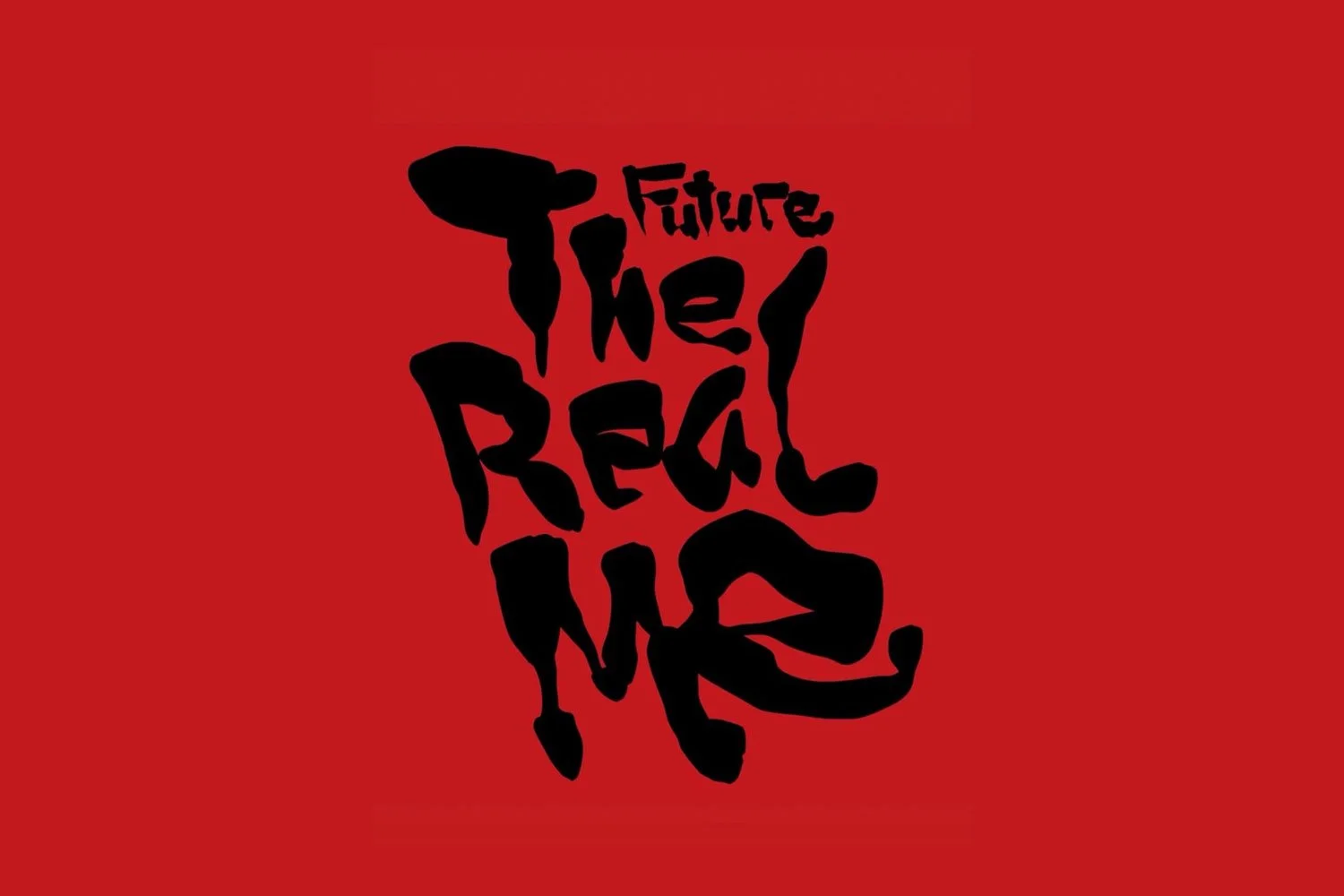
For over a decade, Future has built one of hip-hop's most influential catalogs by perfecting a sound that countless artists have since taken inspiration from. The stylized melodies, detached delivery, and trap production that were once groundbreaking have become part of rap's DNA. But with his most recent album, The Real Me, that consistency begins to feel like creative stagnation. Rather than pushing his sound into new territory, Future delivers another 22-track release that rarely challenges the sound that has defined his recent output.
The title suggests something more personal. Instead, The Real Me largely reinforces the version of Future listeners already know. The familiar themes remain firmly in place: toxic relationships, excessive wealth, emotional distance, substance abuse, and the isolation that follows fame. These subjects have fueled some of Future's greatest records, but here they feel increasingly repetitive. Rather than revealing new perspectives, the album circles the same ideas without adding much to them.
Part of that comes down to Future's relentless release schedule. Over the last several years, quantity has become just as defining as quality. While this consistency has kept his name at the forefront of rap, it also raises the question of whether every release is still necessary. The Real Me feels like another chapter in an already massive catalogue that has become increasingly difficult to distinguish from itself.
The Persona Takes Over
Ironically, the biggest issue with The Real Me is that it never really feels interested in the "real" Future. There are moments where he hints at the pressure of maintaining his reputation, but those ideas rarely develop beyond passing lines before the album returns to familiar territory.
Future has always juggled putting up a front with his emotional truths. On classic projects like DS2, Monster, and HNDRXX, his self-destructive tendencies carried genuine emotional weight. Beneath the drugs, luxury, and bravado was an artist clearly wrestling with heartbreak, loneliness, and regret. Those contradictions made his music compelling.
Here, much of that complexity feels absent. Relationships are reduced to being transactional, and emotional vulnerability is replaced by flaunting materialism. Rather than unpacking the consequences of the lifestyle he's spent years documenting, Future often sounds content repeating it. As a result, The Real Me ends up feeling surprisingly distant for an album that presents itself as personal.
When the Formula Stops Working
Sonically, there's little here that longtime Future fans haven't already heard. The production remains polished, filled with the spacious trap instrumentals and melodic textures that have become synonymous with his music, but very few tracks attempt to move beyond that established palette.
The biggest problem isn't that the production is bad; it's consistently solid, but that it rarely surprises. Across 22 tracks, similar tempos, vocal deliveries, and trap beats begin to sound the same.
That predictability also affects the songwriting. Songs revisit the same ideas without offering new insight, making the project feel longer than its already lengthy 59-minute runtime. Future's vocal performances remain distinctive, and his ability to bend melodies is still one of the qualities that separates him from his peers. Yet even those performances feel restrained compared to the experimentation that once defined his best work. Too often, The Real Me sounds like Future operating well within his comfort zone rather than challenging himself creatively.
The Standout Moments
That's not to say the album is without highlights. Several tracks remind listeners why Future remains one of rap's most influential artists, even if they don't quite reach the heights of his earlier catalogue.
"Fukk an Interview" kicks off the album by delivering the type of cold confidence fans have come to expect, while "Konnichiwa" injects much-needed energy into the second half of the album. "Build a Bitch" also benefits from smoother production, offering a welcome change of pace even if its lyrical content ultimately falls back into familiar patterns.
The frustrating part is that these songs only reinforce what the rest of the album lacks. They hint at a potentially more dynamic project that never fully materializes. Whenever The Real Me threatens to challenge what Future is familiar with, it quickly retreats to being formulaic.
More Product Than Statement
Perhaps the biggest criticism of The Real Me is that it doesn't feel like a necessary addition to Future's discography. There are enough standout tracks to justify returning to parts of the record, but as a full project, it struggles to justify its own existence.
Future has reached a point in his career where listeners should expect more than another collection of songs built around the same themes and sonic ideas. The artists who remain influential for decades are often those willing to reinvent themselves, and while Future once embodied signs of evolution, The Real Me falls short. For newer listeners, the album may serve as another solid introduction to Future's world. For longtime fans, however, it’s nothing new.