

Next Wave: Réjizz Is Bringing Mo-Lam Into Modern Thai Hip-Hop
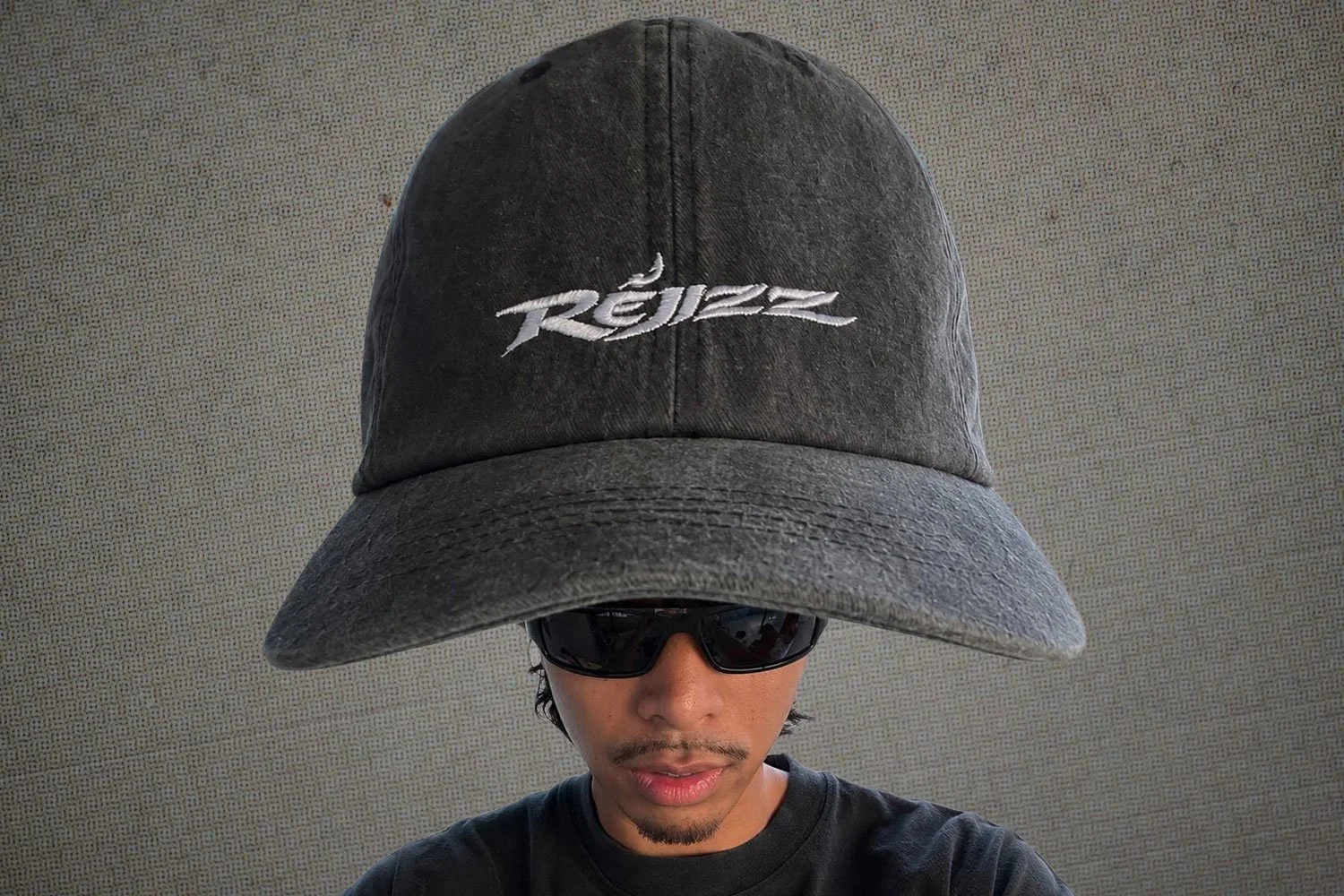
From Bangkok’s Underground
Before Réjizz became known for combining Thai musical traditions with contemporary hip-hop, he was another young rapper building a name through Bangkok’s underground scene. Venues like Goja and Jam provided early opportunities to perform, meet other artists, and develop the connections that have become an important part of Thailand’s independent music ecosystem. At the same time, Réjizz was studying in the International Program at Chulalongkorn University’s Faculty of Communication Arts, releasing music while developing his own identity as an artist.
His earliest music sounded noticeably different from what he makes today. His 2021 debut album, Origins, leaned toward traditional hip-hop, boom bap and early R&B, with a laid-back cadence reminiscent of early Mac Miller. The project also featured other artists from Bangkok’s underground, reflecting the collaborative environment he had emerged from.
There were already signs that Réjizz was interested in something beyond American hip-hop, but the influence of Thai musical traditions was not yet the defining feature of his sound. That would become much more apparent as he developed.
Turning Mo-Lam Into Hip-Hop
Réjizz’s relationship with mo-lam is less about directly recreating the genre than using its musical language inside modern rap production. Traditional instruments and rhythms are incorporated into hip-hop arrangements, giving his music a distinctly Thai character without abandoning the cadence and structure of rap.
One example is “เด็กร่มเกล้า / Nowadays,” where those influences sit naturally alongside contemporary hip-hop production. Released in 2025, the track is also personal in a more straightforward way: Réjizz describes himself as a kid from Rom Klao who has travelled outside Thailand but still sees home as the place where everything he needs is.
The approach became especially visible when Réjizz released a Thai mo-lam-inspired remix of Kendrick Lamar’s “Not Like Us.” The track gave international listeners an easy point of entry into his sound: a globally recognizable rap song, rebuilt around instrumentation and rhythms associated with Thailand. Rather than simply placing a traditional Thai element over a rap song, Réjizz showed how naturally the two could occupy the same space.
That distinction is important to his music. The mo-lam influence doesn't feel like an aesthetic accessory added to make the music sound more “Thai.” It functions as part of the production itself, allowing Réjizz to approach hip-hop through a musical vocabulary that is specific to where he comes from.
Outside the Mainstream
Réjizz’s rise is also reflective of a larger change in how Thai artists can build careers. For decades, GMM Grammy has been one of the country's most influential music companies, operating across artist development, production, distribution, management and live events.
Réjizz's career has followed a different path. He initially released music independently, later working with independent labels before eventually releasing through Warner Music Thailand and signing with Marshall Records. His career began in the same underground spaces where many of Bangkok's emerging artists develop their audiences, rather than being built entirely through a major entertainment company.
His recognition at the 2024 TOTY Music Awards was an important marker of that progression. Réjizz was named Hip-Hop/Rap Artist of the Year, placing an artist who came out of Bangkok's independent scene alongside some of the country's more established names.
His signing with Marshall has since taken that trajectory even further. Réjizz became the first Thai artist signed to Marshall Records, while the company also opened Marshall Livehouse Bangkok in Charoenkrung in August 2025. The venue was designed as both a performance space and community hub for emerging musicians, connecting the local scene with Marshall's international reach.
That development makes Réjizz an interesting figure within Thailand's current music landscape. His story isn't simply about an underground rapper being picked up by an international company. It reflects how the infrastructure around Thai independent music is becoming more visible, with artists able to build their identities in smaller venues before reaching audiences far beyond them.
A More Developed Sound
That progression is clearer on The Era, Réjizz’s latest EP, released July 16. The project keeps the Thai influence that has become central to his music while presenting it with a more developed sense of direction. Réjizz moves between Thai and English throughout the project, allowing the two languages to sit naturally alongside the same hip-hop foundation rather than treating either as a defining gimmick. The result feels like a more fully realized version of what he began exploring earlier in his career.
The continuity also extends to the people behind the music. Réjizz continues to work with producers he has collaborated with throughout different stages of his career, giving The Era a sense of progression without making it feel disconnected from his earlier work. The same artist who once built records around boom bap and early R&B-influenced hip-hop is now able to bring those instincts into music shaped by the sounds he grew up around.
For Réjizz, the most interesting part of his career is that the music keeps getting more specific. What began with the familiar language of American hip-hop has gradually developed into something more closely tied to where he is from, without losing the cadence and sensibility that made his earlier work distinct. The Era suggests that this isn't a detour from that earlier sound, but the direction it was eventually heading toward.