

Futurist: Breaking The Silence: Mymanu Orb And The Future Of Communication
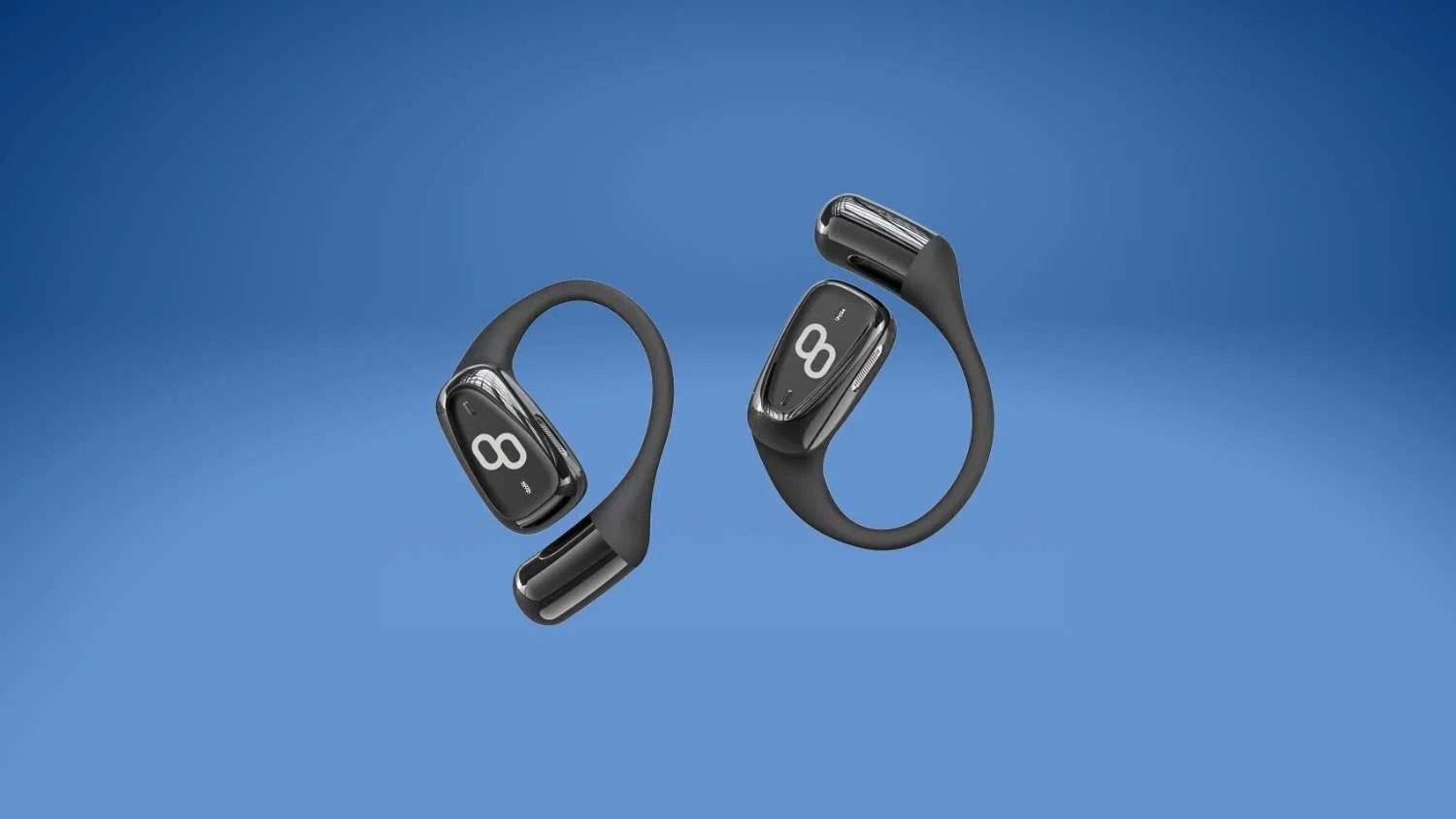
There’s a moment that happens in every unfamiliar place. Before you speak, there is a pause. Not because you don’t know what you want to say, but because you’re unsure how it will be understood. The Mymanu Orb is built for this exact moment. Positioned as an AI-powered translation earbud, designed for real-time communication, the Orb promises something increasingly valuable in a globally connected world: conversation without barriers. Seamless interaction across languages, without the awkward interruptions of translation apps or the hesitation that often comes with speaking to someone you may not fully understand.
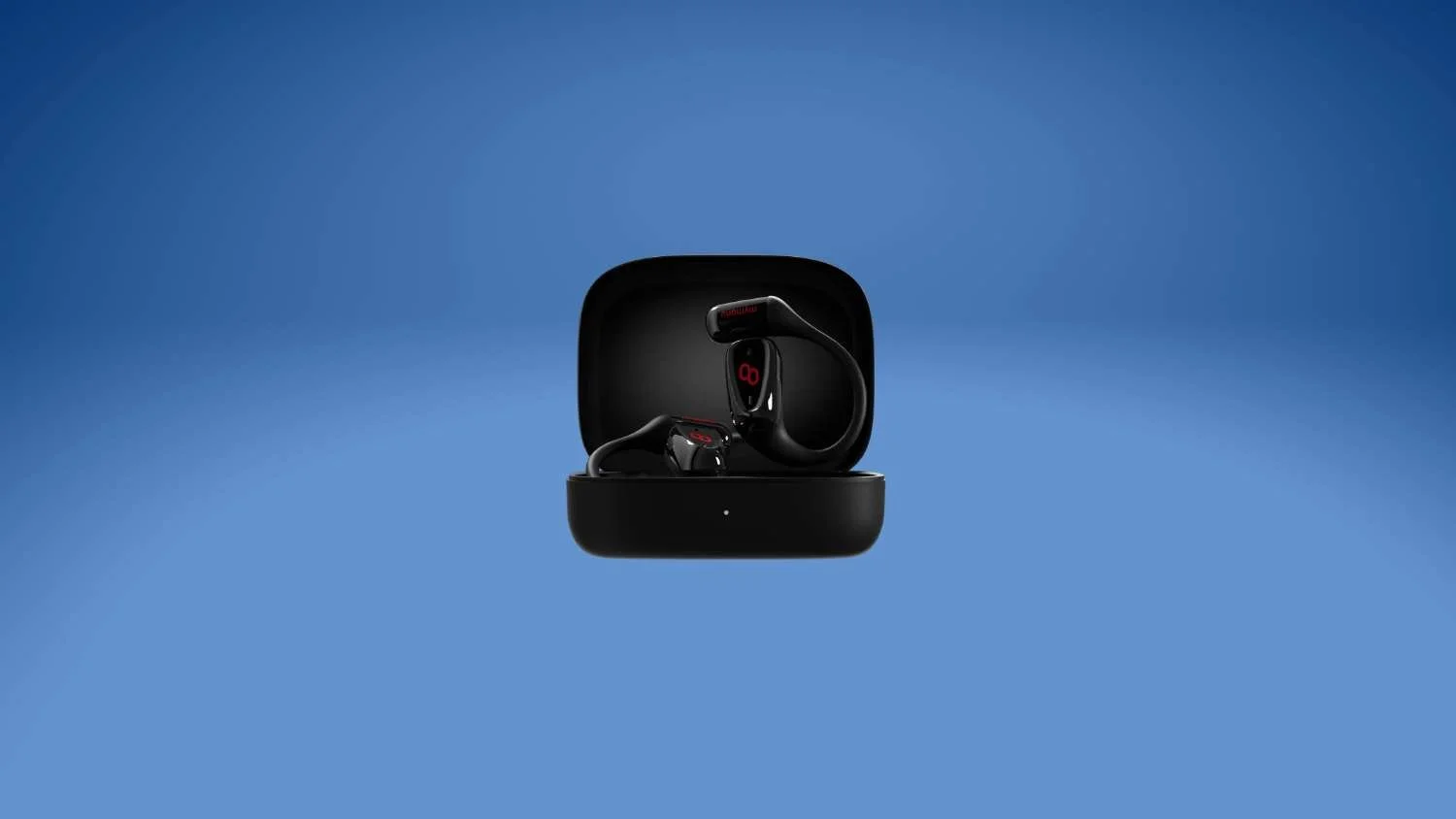
It’s an ambitious idea, but one that feels particularly relevant today. Cities, workplaces, and even social spaces are becoming more international by the day, yet language remains one of the most immediate forms of distance. The Orb attempts to close that gap. Design-wise, the device leans heavily into a futuristic aesthetic. Glossy black finishes, curved edges, and a compact charging case. It mirrors the appearance of something closer to a luxury tech accessory than a conventional pair of earbuds. Beyond the visual appeal, there’s a clear focus on practicality. The open-ear design allows users to remain aware of their surroundings while listening, and it crafts an experience that feels less isolating than traditional in-ear headphones. This distinction matters. The Orb isn’t just about listening. It’s about engaging.
With support for real-time translation in over 40 languages, the device is designed for everything from casual conversations to business meetings and video calls. The concept itself is refreshingly simple. You speak, it translates. The other person responds, and a translation plays back. It allows you to avoid those awkward exchanges that involve typing phrases into an app and passing a phone back and forth across a table. The conversation continues naturally, ultimately making the Orb feel compelling.
In practice, the experience is surprisingly fluid. While there is a slight delay between speech and translation, it rarely feels disruptive. Instead, the Orb removes the larger psychological barrier that often exists before a conversation even begins. Beyond its translation capabilities, the Orb also functions as a standard pair of wireless earbuds, complete with Bluetooth connectivity and strong everyday audio performance. It isn’t attempting to compete with high-end audiophile products, nor does it need to. The focus here is functionality over perfection, and utility over excess.
What makes the Orb particularly interesting is not simply the technology itself, but the way it encourages a shift in behaviour. It creates access to conversations that may otherwise feel intimidating or inaccessible. For travellers, students, international professionals, and even everyday commuters navigating multicultural cities, the Orb offers a sense of confidence that traditional translation tools often fail to provide. Reviews from early users frequently emphasize the convenience of being able to communicate more naturally without constantly reaching for a phone or interrupting the rhythm of a conversation. Others note that the device makes travelling feel less overwhelming, particularly in situations where language barriers can create anxiety or uncertainty.
The Orb emphasizes access to experiences that become richer when communication feels effortless. Whether ordering food in a small local restaurant, asking for directions in an unfamiliar city, or forming connections with people from entirely different backgrounds, the technology enables interactions that may otherwise never happen. It opens the door to cultures, environments, and conversations that once felt slightly out of reach. In a world where cultural exchange happens constantly, that kind of accessibility becomes increasingly meaningful.
The Orb succeeds by making communication feel less intimidating. It turns technology into something quietly human, not by replacing conversation, but by encouraging more of it. Perhaps that’s what makes it feel genuinely futuristic. Not the technology itself, but the possibility it creates.