

Elixir Edit: It’s Time to Rum Away
james manska
Many tropical daydreams are left too long in the sun, but rum is not one of them. In the sugarcane fields of the Caribbean, where towering green stalks swayed under a humid sky, sweetness was extracted at an industrial scale, and everything left behind was pushed to find a purpose. What no one planned for was that molasses, the dense, dark runoff of sugar production, would curiously begin to ferment on its own. Left alone in the heat, it bubbled and soured. As it turns out, wild yeast is rather an enthusiastic chemist.
What emerged in the 17th century on islands like Barbados and Jamaica was potent and crude. Early mixtures of rum earned names like “kill-devil” for carrying a harsh and fiery bite that lingered, far from the smooth sips known today. But it secured an early foothold by solving a practical problem: in its rawest form, it preserved sweetness, transforming waste into value.
History
Rum sailed, barrel by barrel, through the tides of empires, people, and commerce. By the late 17th and into the 18th century, it had already found its sea legs. On ships of the British Royal Navy, rum was issued as a daily ration, diluted with water into grog and handed out with ceremonial regularity. It was practical, as it traveled easily and resisted spoilage. It was medicinal, or so they believed, especially when mixed with citrus, becoming a serendipitous but effective pairing that helped stave off scurvy. Most importantly, it was morale-boosting. Long after storms passed and sails were mended, rum remained a constant companion until its official farewell in 1970, remembered as Black Tot Day.
As trade routes stitched together the Caribbean, Europe, and North America, rum traveled as both cargo and currency. In colonial New England, imported molasses was distilled into local rum, fueling an industry that hummed alongside shipyards and port towns. Unlike wine or brandy, which clung to terroir, rum was not picky. If there was sugarcane or just its sticky remnants, there could be rum.
Uses in Cuisine
Such adaptability made rum one of the first truly global spirits, and it circulated beyond barrels and balance sheets. Its flavor profile, dark sugar, toasted caramel, and a flicker of spice, all mirrored ingredients cooks already trusted, and it found a second life at the stove. In the Caribbean, rum-glazed jerk pork and its edges are lacquered with smoky-sweetness. It mingled into buttery sauces spooned over grilled shrimp and snapper, where a splash of rum echoed the tartness of pineapple and richness of brown sugar reductions.
Further north, those same qualities made it a natural partner for early American barbecue traditions. Rum could stand in for molasses in slow-simmered barbecue sauces, adding depth to glazes brushed over smoked pork shoulder or ribs. Much like Kansas City-style barbecue sauce, it brings together dark sugar, tanginess, and a subtle smokiness.
Rum also slipped seamlessly into desserts. It folds into cakes like syrups and deepens the flavor along the way. It enriches bread pudding with notes that are halfway between vanilla and burnt sugar, and flambées dramatically into bananas foster, where flame coaxes out a buttery depth.
The easy movement between bar and kitchen, paired with its cornucopia of flavors, secured rum’s place as a staple. What began as a byproduct of sugar became an enduring spirit that travels and transforms.
Production Process
As other spirits rose and fell in fashion (gin in its craze, whiskey in its regional pride, vodka in its modern minimalism), rum lightened, darkened, spiced, and aged. Each variation carried echoes of where it was made and how it was handled, from grassy, fresh cane expressions to deep, oak-aged bottles rich in toffee and smoke.
The process begins with fermentation, where molasses or fresh sugarcane juice is mixed with water and yeast. Yeast consumes sugars and produces alcohol along with secondary compounds called congeners, which are responsible for aroma and flavor. A longer fermentation allows more congeners to develop and tends to create richer, funkier notes; a shorter one produces a lighter and cleaner base. At this stage, the liquid is low in alcohol and still rough around the edges.
Alchemy, or distillation, is surprisingly straightforward. The fermented mixture is heated, and because alcohol evaporates at a lower temperature than water, it rises first as vapor. That vapor is captured, cooled, and condensed back into a stronger and more concentrated liquid.
Early distillation methods were crude, often using simple pot stills that work in batches and preserve more congeners, and produce fuller-bodied rums with bold flavors and notes of tropical fruit and spice. On the other hand, column stills (tall, elegant contraptions that allow for continuous, more precise distillation) produce lighter rums that are more versatile for cocktails. Pot stills are like a hearty stew, and column stills are a consommé. Both have their place, and both contribute to the dazzling spectrum of rum styles we enjoy today.
Rum has always enjoyed a mischievous reputation, so this stage is also where distillers make careful decisions about its “purity” and which compounds remain in the final spirit. Too many congeners can make the spirit harsh; too few can make it feel too thin. The mastery lies in knowing what to keep and what to let go.
The art of aging allows for time to do its work. Rum is typically aged in oak barrels, many of which previously held bourbon. Inside these barrels, the spirit extracts compounds like vanillin and tannins, mellowing sharp edges and adding cohesive notes of caramel and toasted wood. Warm Caribbean climates accelerate this process, meaning a few years in the tropics can yield a spirit as complex as one aged much longer in cooler regions.
Not all rum is aged, but even unaged varieties rely on careful fermentation and distillation to achieve their smoothness.
Types of Rum
Rum is less a soloist than a spectrum of styles shaped by geography and technique. Light (White) rum is typically column-distilled and at most lightly aged, which makes it ideal for cocktails. Dark rum is aged longer, often in heavily charred barrels, and is rich with molasses. Aged (Gold) rum sits between light and dark, and offers an oak influence that is not overwhelming. Overproof rum is bottled at higher alcohol content with more intense flavors, while rhum agricole is made from fresh sugarcane juice and offers a vegetal accent.
Rum in the Home Bar
Rum’s natural sweetness and layered flavor profile allow it to pair seamlessly with citrus, herbs, and spices. A simple combination of rum, lime, and sugar creates the Daiquiri. An addition of mint whips up a Mojito. Expanding into syrups and bitters, rum becomes the backbone of Caribbean classics and the escapist fantasies of tiki drinks. Not bad for something that started as a forgotten, bubbling puddle of burnt sugar.
Below are three bottles to add to your home bar, each capturing its versatility at different levels:
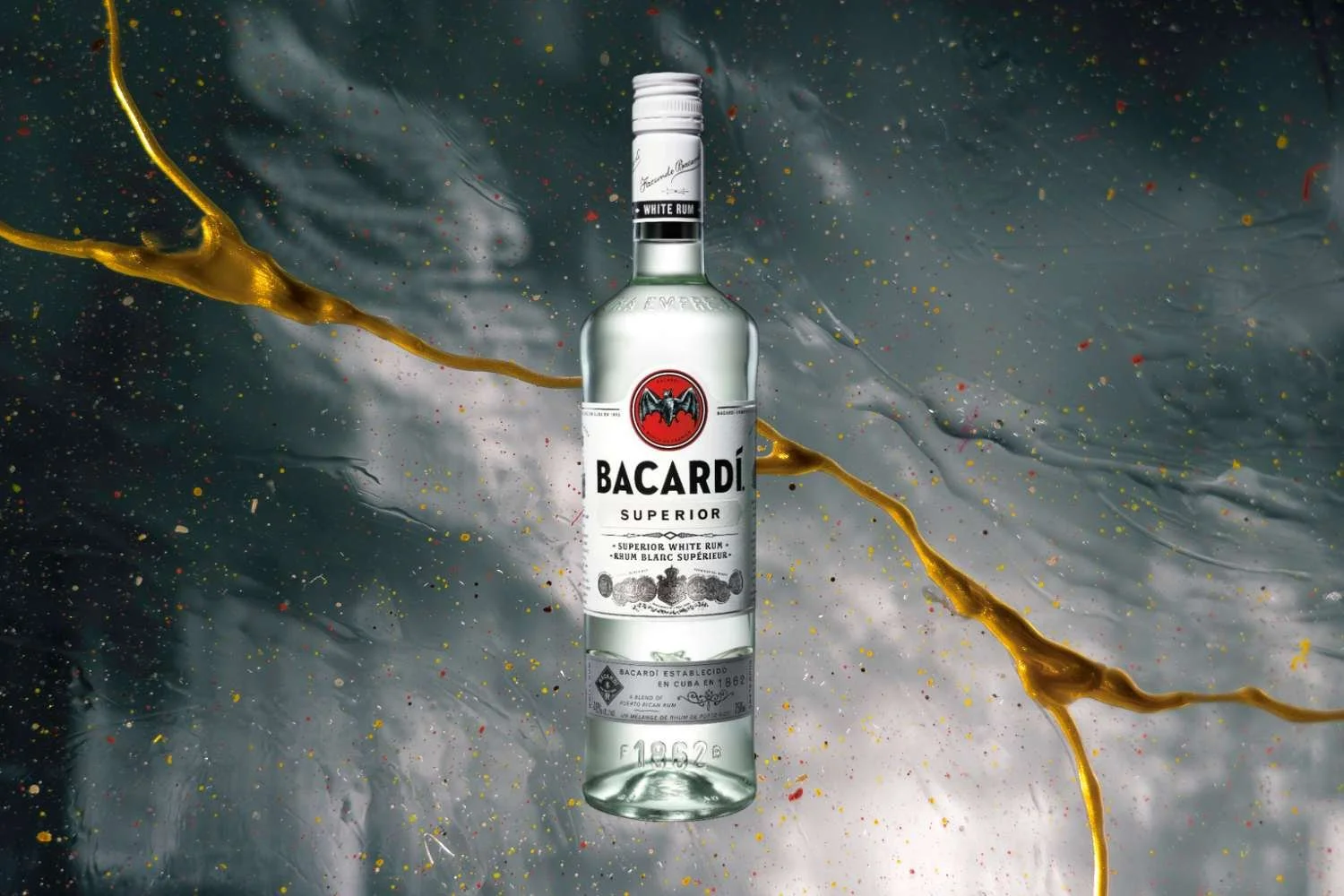
Bacardi Superior Rum (750 mL, $14.99)
A foundational white rum distilled in column stills. Light notes of vanilla and almond make it an easy mixer without overwhelming other ingredients. This is a go-to for a daiquiri or mojito.
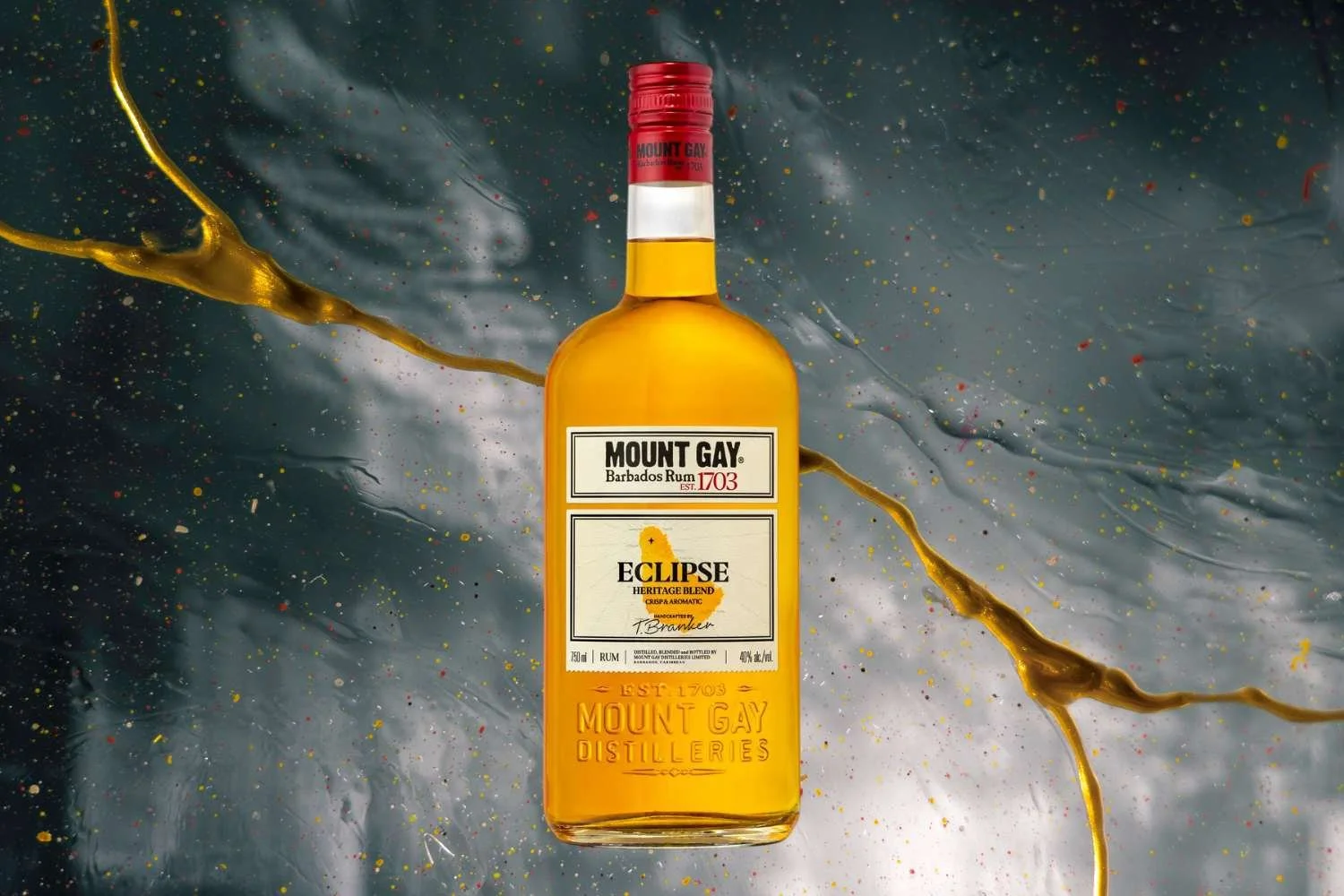
Mount Gay Eclipse Rum (750 mL, $24.99)
Produced in Barbados, this bottle blends pot and column distillates. With balanced tones of summer fruit, toasted oak, and warm spice, it works equally well in cocktails or on its own with a single cube of ice.
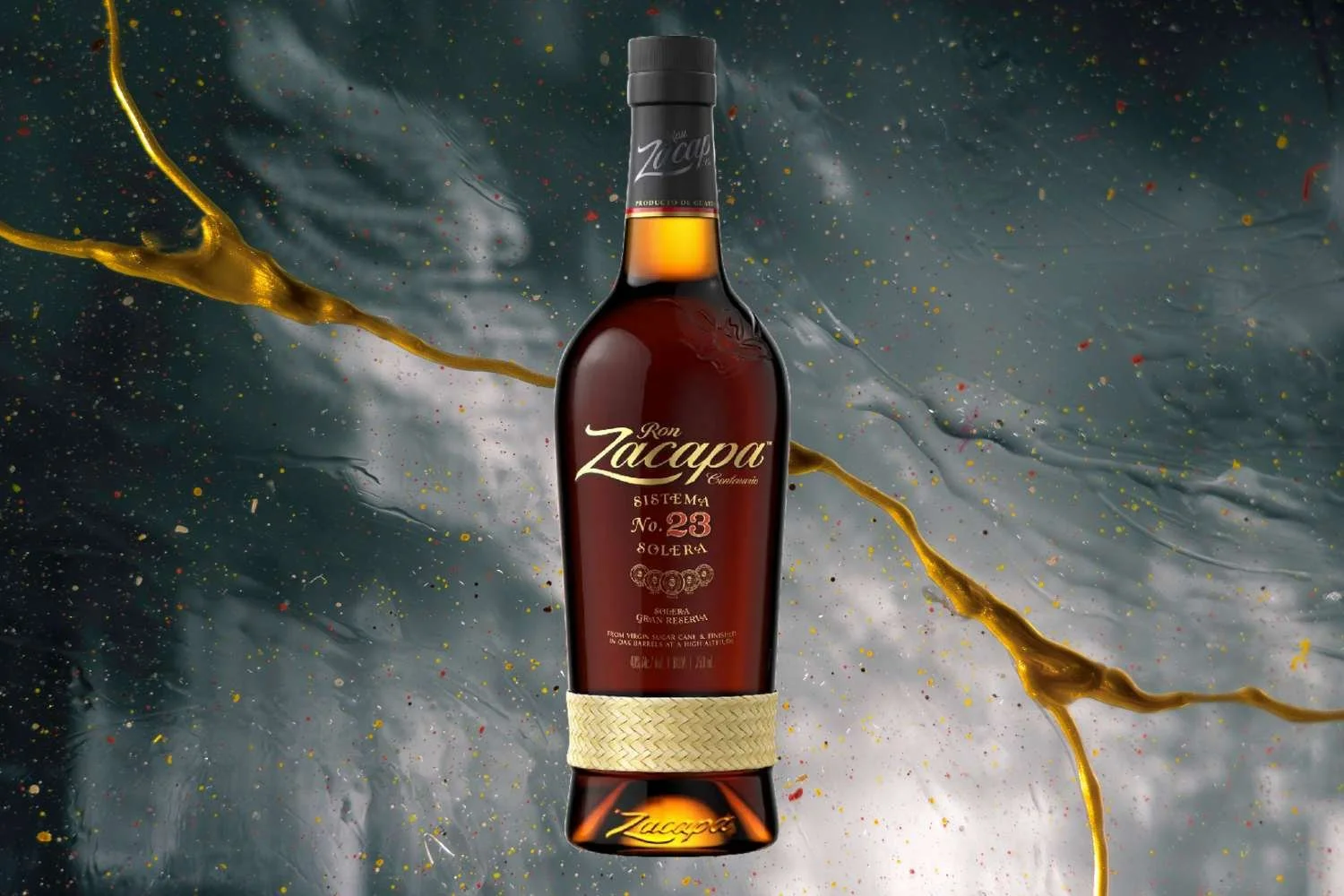
Ron Zacapa 23 (750 mL, $49.99–$59.99)
Aged using a solera system in Guatemala, this rum is rich. Expect layered flavors of caramel, dried fruit, and cocoa. Best enjoyed neat or with minimal dilution, as this is a sipping rum.
