

Dining Houses: Big Vibes, Small Bills
Shailendra Dhakal
A certain species of diner walks into a restaurant and instantly becomes financially unwell. The velvet banquette glows, while a hostess wearing all black whispers “right this way” with the solemnity of a cathedral usher. Tiny forks appear. Gold chandeliers drip. The waiter explains the olive oil on the table was harvested by monks during a lunar eclipse. Suddenly, you are paying $29 for three scallops resting on a spoon the size of a canoe paddle.
We have all been there, but refined dining does not have to require trust funds or artisanal candles. The great secret of dining houses is that luxury is often theater, and luckily, theater can be staged on many budgets.
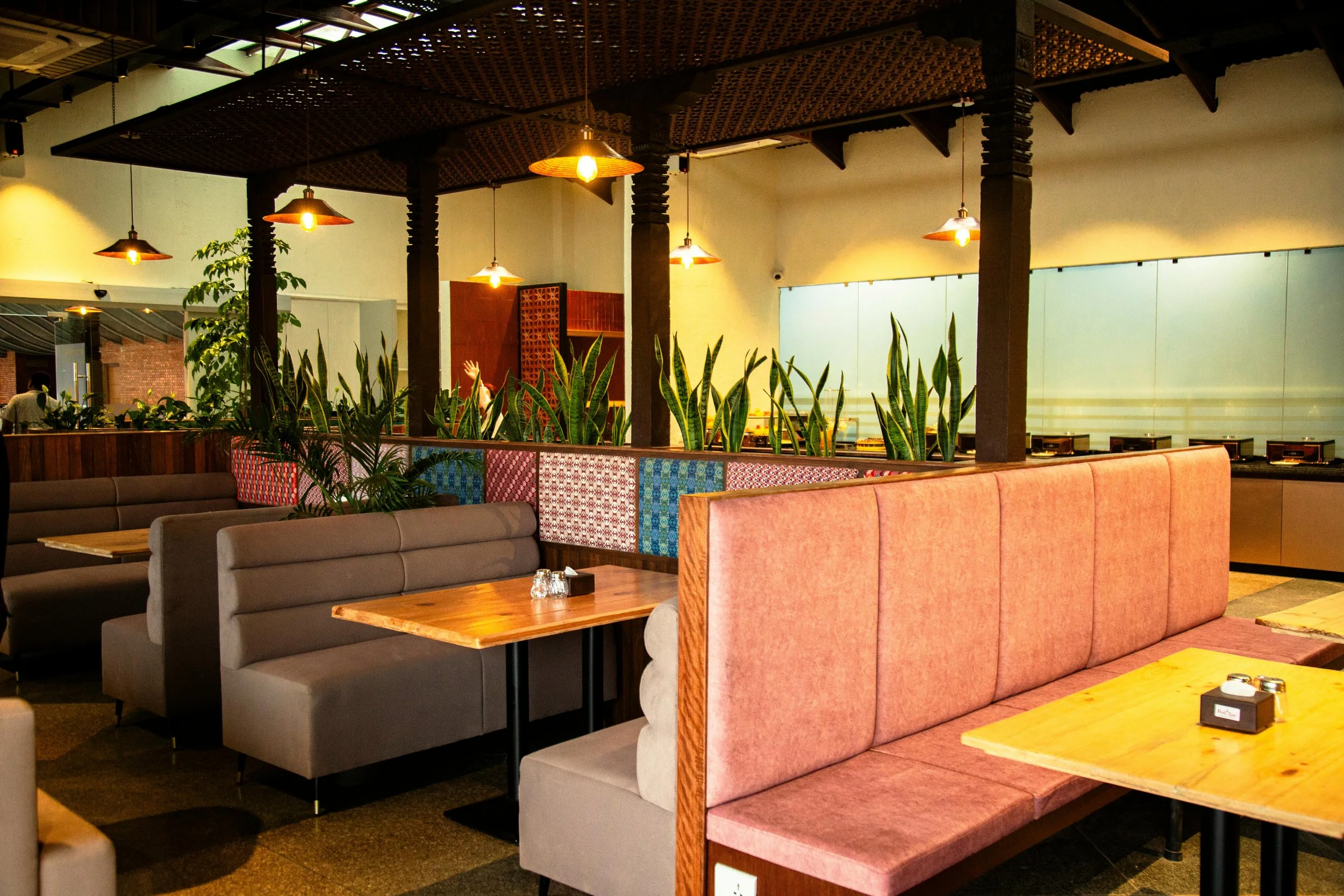
The first clue is ambiance. A good dining house understands mood and does not necessarily overemphasize opulence. Coherence is often the key: does the lighting flatter both the food and the people? Is the music at a volume where conversation can exist without everyone leaning in like Victorian detectives solving a poisoning? Are the tables spaced thoughtfully enough that you do not become too familiar with the stranger beside you discussing cryptocurrency and “biohacking”? Many hidden gems operate in modest storefronts but invest heavily in texture and rhythm. A neighborhood bistro with linen napkins, warm sconces, and carefully selected ceramics can feel more luxurious than a cavernous steakhouse where televisions scream baseball statistics over a $72 ribeye.
Menus offer another layer of truth. Restaurants chasing prestige through sheer inflation tend to produce menus that read like ransom notes from truffle dealers. Every ingredient is imported, hand-foraged, smoke-kissed, or heritage-raised. Meanwhile, restaurants delivering actual value tend to edit themselves to signal confidence and freshness. If a kitchen offers fourteen cuisines simultaneously, such as sushi, tacos, risotto, Cajun shrimp, and “Asian fusion sliders,” you are likely not in the presence of sophistication but trapped in a group project.
Structure is key. One of the smartest budget-friendly refinements is lunch service. The same restaurant serving a $48 short rib at dinner may quietly offer a sublime sandwich, handmade pasta, or prix fixe lunch for half the price at noon. French bistros excel at this, and so do many Italian trattorias, where lunch menus become entries into candlelit nights otherwise reserved for anniversary dinners and people closing mergers.
In fact, many Italian restaurants are masters of affordable elegance. A bowl of properly executed cacio e pepe costs relatively little to produce, which means diners can enjoy housemade pasta, attentive service, and excellent wine for less than at steak or seafood houses where ingredient costs immediately inflate the bill. Japanese cuisine works differently. Some of the most transporting Japanese meals happen far away from hushed omakase counters. In San Diego, for example, places like EE NAMI Tonkatsu Izakaya or Tsuruhashi understand that atmosphere is not about imported cedar or twelve-seat exclusivity. It invests in the clatter of small plates, the warm fatigue of salaryman food, a cold beer arriving at exactly the right moment, the comforting glow of a strip-mall dining room trying very hard to become Osaka for two hours. Their charm comes from specificity, and a deeply crisp katsu set or simmered beef tongue eaten under slightly dated lantern lighting can feel more emotionally rich.
Meanwhile, Chinese restaurants frequently suffer from a strange cultural blind spot in American dining psychology. Diners often expect exceptional Chinese food to remain cheap forever, as though labor-intensive dumpling folding occurs through magic and filial obligation alone. Yet some of the best experiences now emerge from modern Chinese establishments balancing elegant interiors with carefully executed regional dishes and rituals. In Chicago, places like Living Water Tea House, offering ceremonial tea services, are popping. Restaurants like Shine achieve the same effect through thoughtful plating, the great modern illusion: delicate curls of scallion arranged over soy-steamed fish, porcelain dishes chosen to echo the color of chrysanthemum broth, dumplings lined with the geometric care of jewelry displays. Delicacies need not be accompanied only by a single decorative branch resembling a haunted twig.
Expensive restaurants sometimes mistake stiffness for professionalism, but service, perhaps more than anything else, separates refined dining from expensive eating. Impeccable service is invisible choreography, like when Linguine serves customers for the first time as a waiter in roller skates in the film, Ratatouille: water glasses refill before thirst becomes a personality trait; plates arrive paced naturally instead of landing altogether like an avalanche; staff speak knowledgeably without dragged-out speeches. Excellent service is not exclusive to high-end restaurants, and it is always nice when servers remember returning guests and genuinely care whether you enjoyed the halibut.
Neighborhood matters too, though perhaps not in the way most assume. Trend-heavy districts often carry a “scene tax,” as you are paying partially for proximity to fashionable people wearing tiny sunglasses indoors. Upon looking past the hottest corridors, restaurants in residential neighborhoods often have lower rents, more loyal clientele, and stronger incentives to win diners through quality rather than spectacle. Some of New Orleans’s most memorable meals hide not in the French Quarter’s performance of decadence, but in quieter neighborhood institutions where hospitality is more habitual. At La Petite Grocery, tucked along Magazine Street, the dining room mimics an improbably stylish home of a friend who always has good butter and better wine, and then casually brings out the blue crab beignets. Nearby, places like Clancy's cultivate a similarly understated devotion with softly lit rooms, waiters who move with confidence, and trout with crabmeat that tastes expensive despite costing far less than tasting-menu theater elsewhere.
Timing can play a larger role than you would think. For early evening reservations, weekday dining, happy hour menus, and bar seating, unlock remarkable experiences at lower prices. Some of the wisest diners in America are perched at restaurant bars eating oysters and sipping excellent wine while avoiding full tasting-menu devastation. Bar menus often contain the kitchen’s most satisfying dishes: burgers, tartares, and roast chicken. The kind of food chefs themselves probably crave after spending twelve hours placing edible flowers onto ceramic plates with tweezers.
Luxury should not always be numerical. A refined dining experience should be one where you feel considered, comfortable, and slightly enchanted. Most people are not chasing Michelin stars every Tuesday night, and often a little candlelight, a good cocktail, attentive service, and food that tastes good and gives hope that life is worth seasoning properly. What matters is that the restaurant leaves you feeling richer than when you arrived, even after paying the bill.
