

Elixir Edit: Why the World’s Oldest Drinks are Served Warm
Sammyvision
One of the quickest ways to start an argument among beer drinkers is to hand someone a warm bottle. In much of Western drinking culture, coldness is synonymous with quality. We chill Champagnes, freeze martini glasses, and pride ourselves on serving beer as close to ice as possible. Warm alcohol is a neglected afterthought, or simply perceived as wrong.
Yet much of the world has spent centuries doing exactly the opposite. Temperature may be far more than a matter of preference, like sweetness, acidity, or bitterness; it changes the way we perceive flavor.
Modern cocktail culture has largely embraced cold because it promises control. A bartender stirring a martini over ice is doing far more than chilling the drink. Each turn of the spoon changes the level of dilution, softens the spirit's alcoholic edge, and creates the crisp profile that has come to define the cocktail. White wines are chilled for much the same reason. Lower temperatures preserve their brightness and acidity, while highly carbonated beers stay livelier and more refreshing when served cold. The rise of modern lager owes something to refrigeration, which made it possible to produce cleaner beers while suppressing the rougher aromas that accompanied earlier brewing methods.
Chemically speaking, cold quiets a drink down. As temperature falls, fewer aromatic compounds escape from the glass. Alcohol evaporates more slowly, reducing the sensation of heat on the palate. Bitterness is tamed, and sweetness becomes less pronounced, while carbonation lingers longer. There is a reason why an ice-cold pilsner feels refreshing on a summer afternoon or why a freezer-cold martini seems weightless despite its high proof.
Yet that smoothness comes at a cost. The same temperatures that subdue harsh alcohol also mute many of the volatile compounds responsible for a drink's character. Wine professionals have long warned against serving an expensive red straight from the refrigerator, not because the wine becomes unpleasant, but because so much of its bouquet remains trapped inside the glass. A heavily chilled whiskey can seem flatter than the same pour allowed to rest for a few minutes at room temperature. Floral esters, ripe fruit aromas, toasted grains, vanilla, smoke, and spice simply whisper as the temperature drops.
Warmth, on the other hand, reverses that equation.
As temperature rises, aromatic molecules become increasingly volatile, rising from the surface before the first sip even reaches the lips. Alcohol itself grows more apparent, but so do the hundreds of smaller earthy and savory compounds that give a spirit or wine its individuality. A warmed drink is rarely stronger than it was moments before; it merely reveals more of itself.
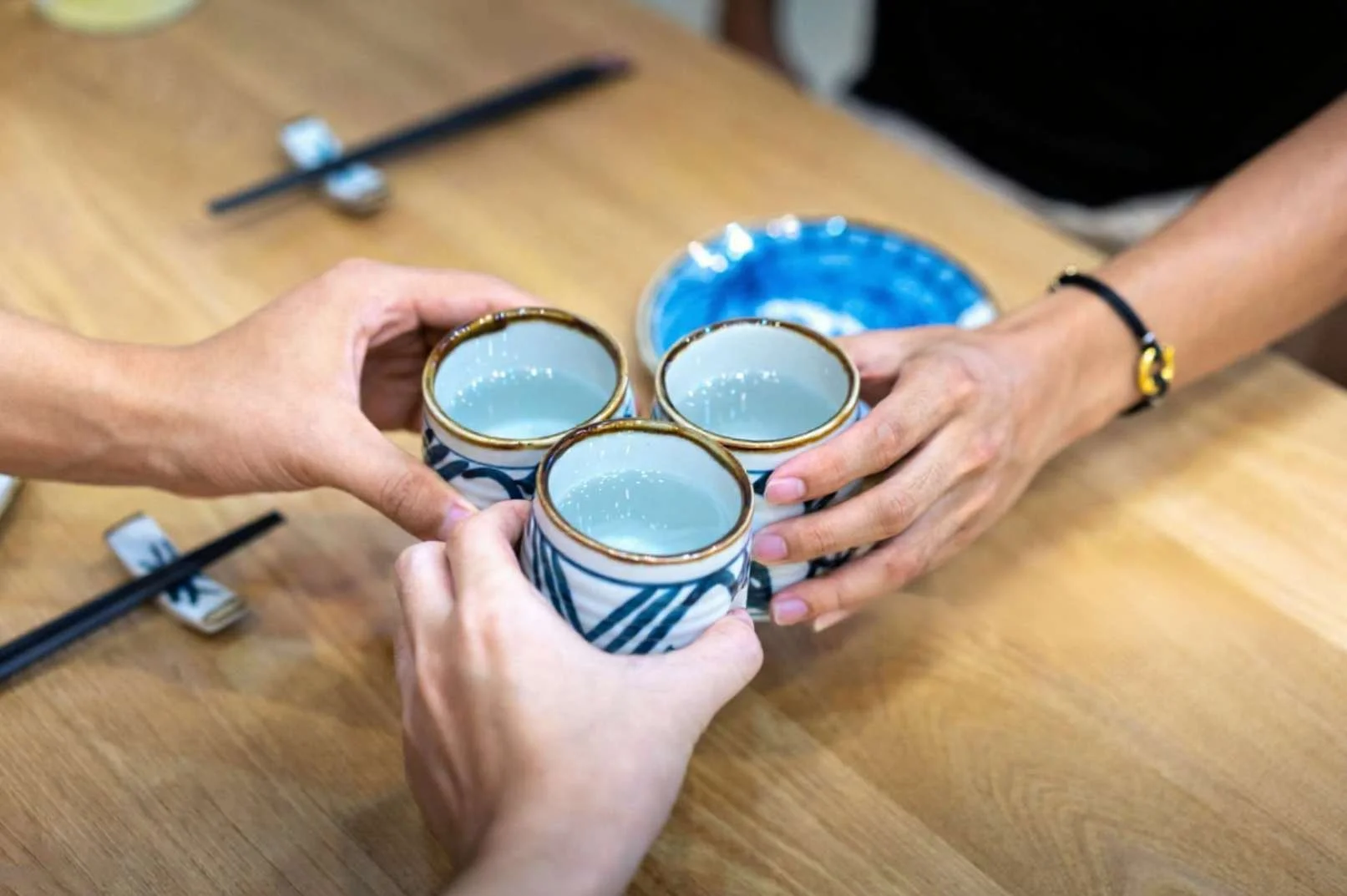
Contrary to popular belief, sake is not traditionally served warm because it is inferior. While inexpensive grades were historically heated to soften rougher edges, premium sake has long been enjoyed across an astonishing range of temperatures. Japanese brewers recognize more than a dozen named serving temperatures. A lightly warmed Junmai sake develops richer cereal, mushroom, and umami notes, while delicate Ginjo styles often express vibrant fruit and floral aromas closer to cellar temperature. Heating alone is not the point, as the trick is in choosing a temperature that allows each style to reveal its strengths.
Chinese Huangjiu follows a similar blueprint. Produced from fermented rice rather than grapes, Huangjiu has accompanied meals in China for more than two millennia. It is traditionally warmed before serving and releases scents of toasted nuts, soy, dried fruit, caramel, and gentle spice that become increasingly expressive with heat. Historically, warming also served practical purposes by evaporating trace volatile compounds produced during traditional brewing while making the drink more comforting during colder seasons. Even today, many families gently heat Huangjiu with slices of ginger or dried jujubes during winter celebrations for a paradoxical medicinal comfort.
High in the Himalayan mountains, Chhaang (or Chyang), brewed from millet, barley, or rice depending on the region, is commonly served warm inside wooden or bamboo vessels. Rather than preparing a drink once, hot water is repeatedly poured over the fermented grains, producing several successive infusions of gradually diminishing strength. Hospitality flows both ways. Hosts welcome guests with a warm drink, but guests, in turn, invite another pour by cradling an empty cup in their hands and conversations continue for hours.
Europe arrived at a similar conclusion for different reasons. Long before central heating, mulled wine turned inexpensive plonk into fragrant winter comforts through cinnamon, cloves, citrus peel, star anise, and honey. Gentle heating released essential oils from spices while weaving sweetness and acidity into a richer whole. Even now, Christmas markets throughout Germany, Austria, Scandinavia, and Eastern Europe continue to fill the air with the unmistakable scent of Glühwein and vin chaud every winter.
Beer has not always belonged to mini-fridges either. Ales were often consumed at cellar temperature, considerably warmer than many modern lagers. British cask ales remain served at roughly 50 to 55 degrees Fahrenheit, allowing malt complexity, hop aroma, and yeast character to emerge more fully than near-freezing service permits.
As culinary techniques continue reshaping modern mixology, clarified hot toddies, gently heated sake cocktails, warm buttered rum, and tea-infused punches are returning. There is no universally correct serving temperature. Every beverage occupies a spectrum. A peated Scotch reveals more smoke and dried fruit and tells a different story from gin. A red Burgundy can taste like two different wines as it warms from cellar temperature to the dining table. Cold and warmth are not competing ideals so much as different ways of seeing the same drink.
For those curious to explore warm-drinking traditions at home, these bottles provide an accessible place to begin.
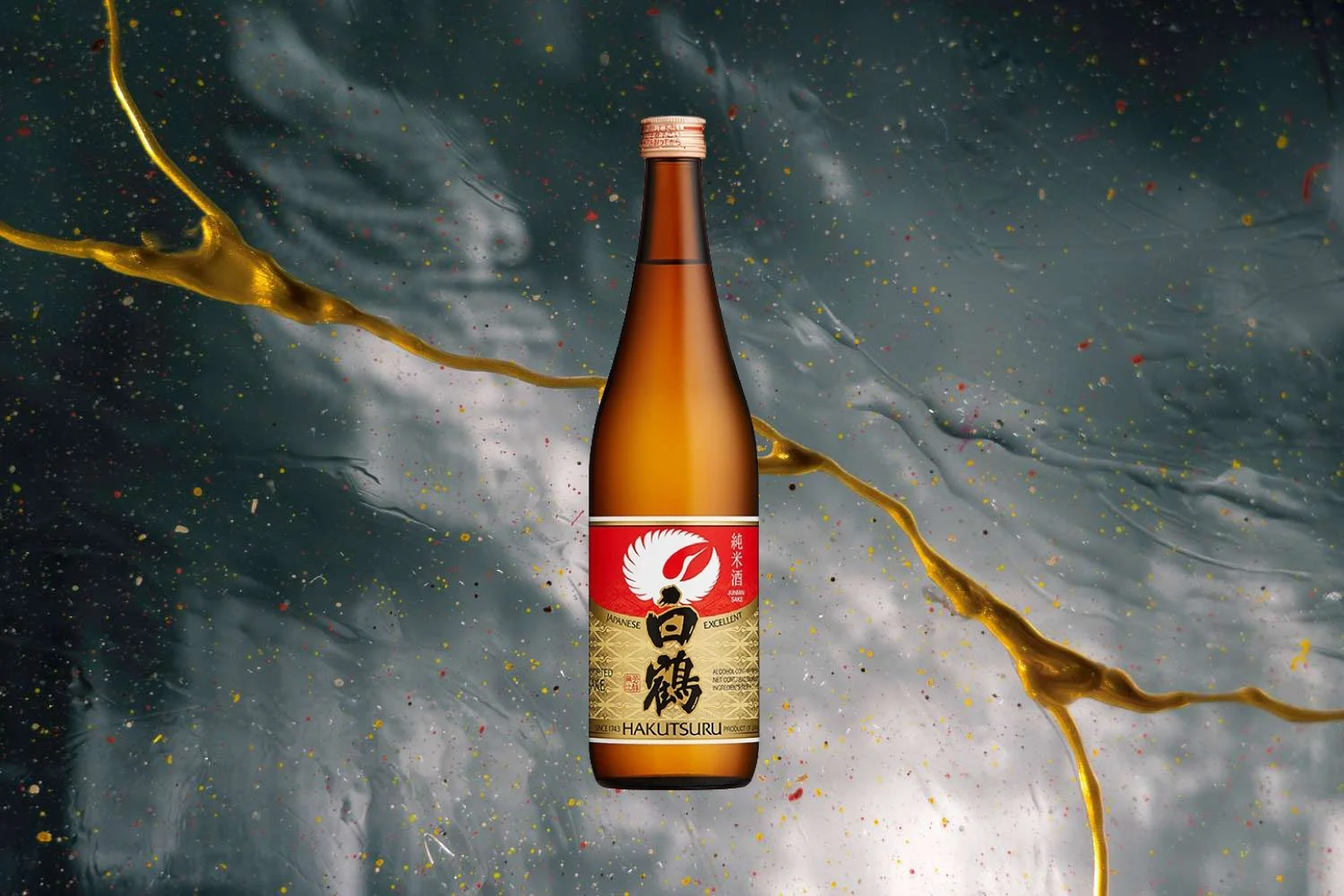
Hakutsuru Junmai Sake (720 mL, $16.99–20.99)
This one offers perhaps the easiest introduction. Gently warmed to around 100–110°F, it reveals notes of steamed rice, toasted grain, and gentle umami that remain more restrained when served chilled.
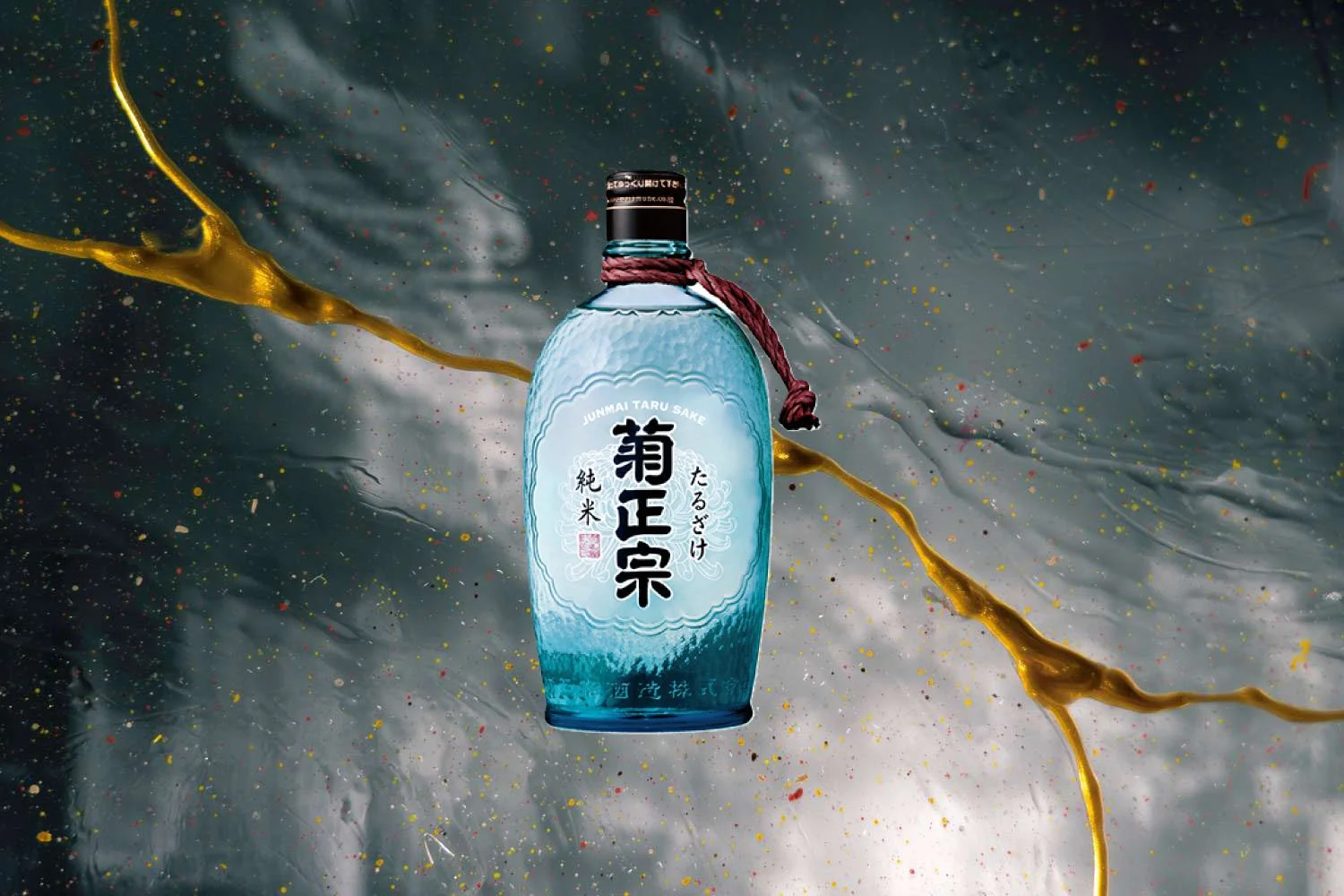
Kiku-Masamune Junmai Taru Sake (720 mL, $24.99–29.99)
For something a step further: temperature can amplify cedar-aged spice, wood, and savory aromas, making this one particularly rewarding on cooler evenings.

Lustau East India Solera Sherry (750 mL, $29.99–34.99)
If mulled wine feels more familiar, try this sophisticated alternative. Though traditionally served cool, gently warming it with orange peel, cinnamon, and star anise creates a nuanced interpretation of centuries-old European winter punches.
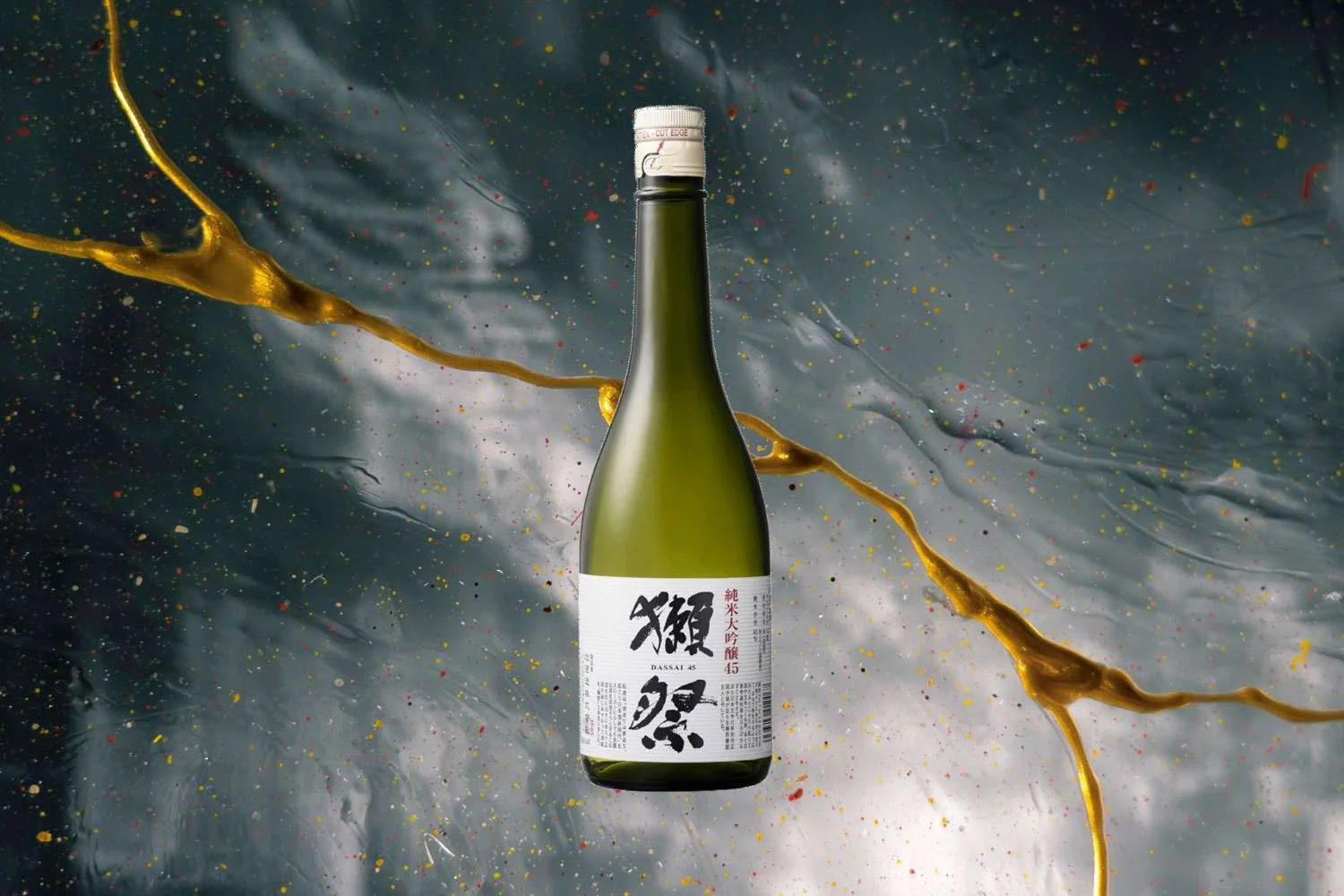
Dassai 45 Junmai Daiginjo (720 mL, $39.99–49.99)
Taste it first lightly chilled, then allow the glass to slowly warm in your hands. Floral aromas gradually give way to richer rice sweetness, and it is quite memorable how dramatically a few degrees can reshape the flavor.
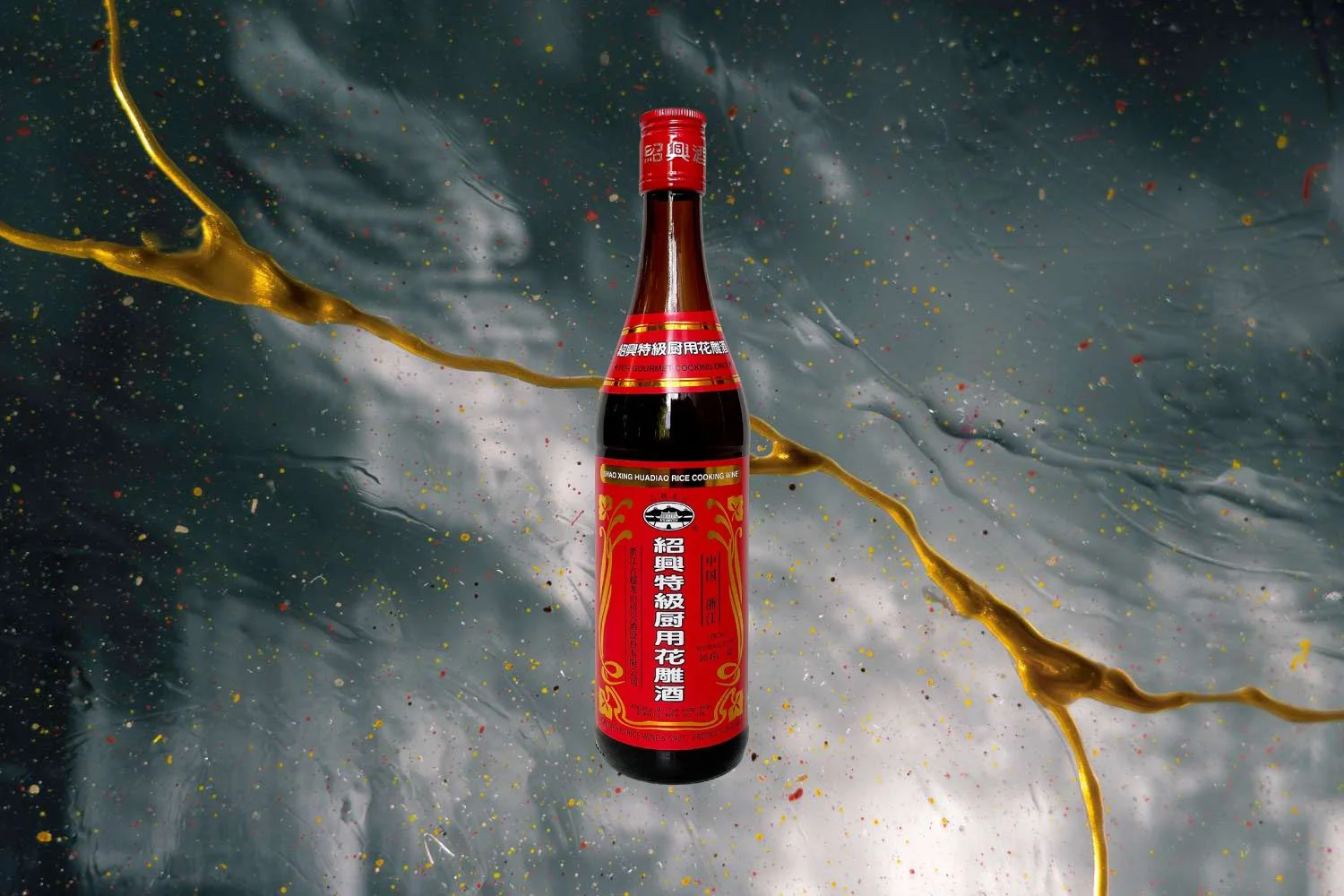
Pagoda Shaoxing Hua Diao Jiu (750 mL, $4.99–19.99)
Those interested in cooking might appreciate a lightly warmed option. It gradually develops aromas of walnut, dried fruit, caramel, and soy that pair beautifully with roasted meats and slow-braised dishes. In many Chinese kitchens, a splash of Shaoxing wine is added to the pan while meat or vegetables cook, allowing them to gently steam in its fragrant vapors while loosening browned bits from the pan and reducing the risk of scorching.
