

At The Table: Planting New Traditions
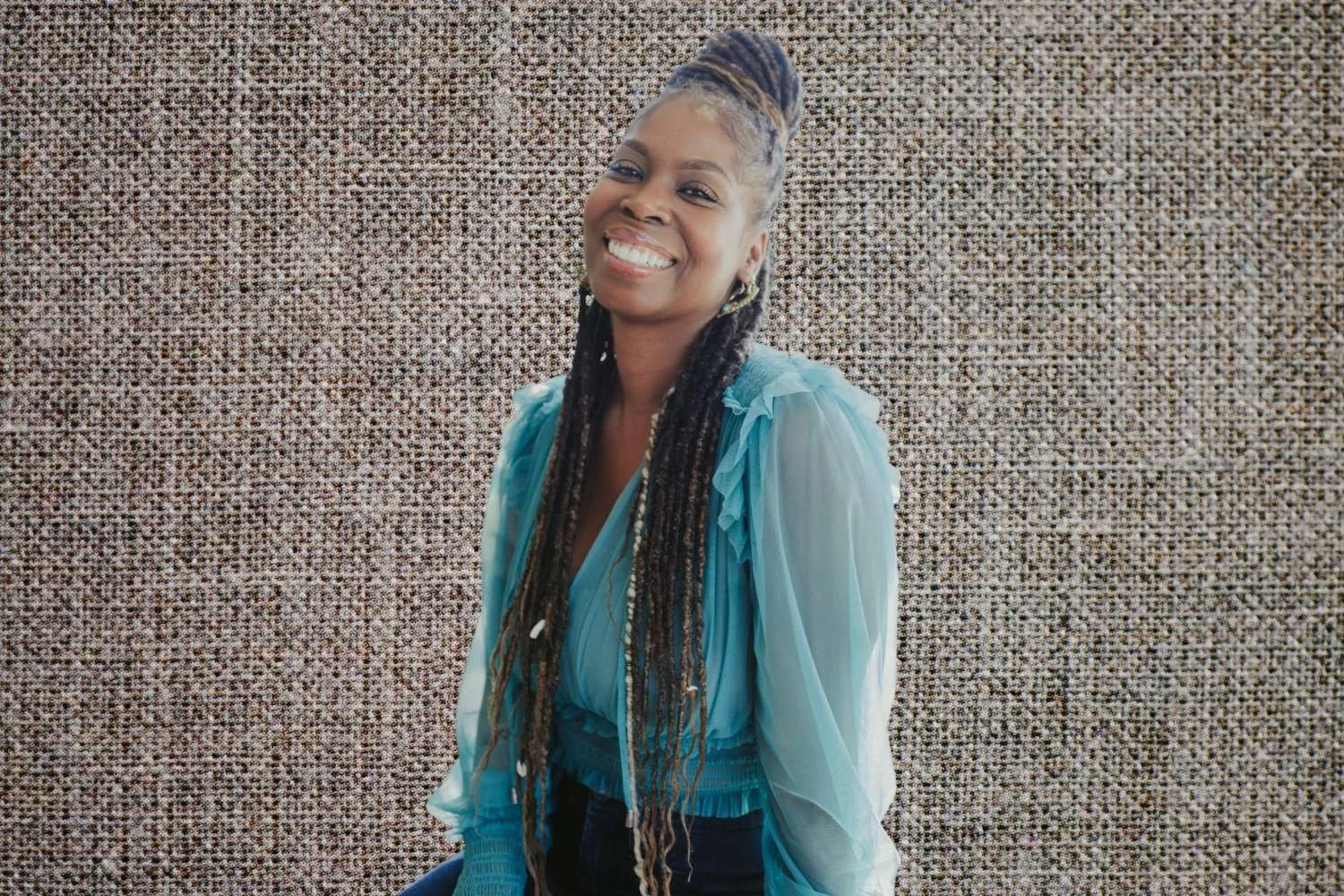
Plant-based food has long wrestled with an image problem. For decades, vegan cuisine occupied a strange cultural corner of deprivation, associated either with ascetic wellness culture or expensive minimalist dining, where three roasted carrots arrive on a plate the size of a satellite dish. Michelle Beckles pushes against that framework entirely by building My Vegan Kitchen Life, a culinary language around heritage, health, creativity, and accessibility.
Born in Jamaica, West Indies, Beckles grew up immersed in food and artistic expression. Childhood experimentation in the kitchen developed alongside another creative passion: art. For years, makeup artistry became her professional focus, a career where color, presentation, and visual storytelling mattered deeply. Eventually, another interest in fitness and nutrition emerged alongside creativity, and Beckles made a professional pivot that many people only dream about but rarely attempt. She left behind her makeup studio and began developing customized meal plans, discovering firsthand that many people lacked information on how nutrition influences both physical and mental well-being.
My Vegan Kitchen Life does not simply operate like a traditional recipe platform chasing trends or internet virality. Beckles specializes in helping people transition towards plant-based eating, a shift that can often feel intimidating or culturally alienating. For many households, the idea of plant-based eating sparks the imagery of impossible grocery lists, obscure ingredients that require specialty market expeditions, or dinners that leave everyone hungry thirty minutes later. Beckles dismantles those assumptions and instead makes you feel welcomed after a long day. She presents recipes that are full of warm spices blooming in oil, hearty ingredients simmering on the stove, and offers an invitation to sit down before you have fully taken your coat off.
Her Smothered Jackfruit in Coconut Thyme Gravy illustrates that philosophy particularly well. Jackfruit can easily become one-note when treated as merely a fibrous meat substitute, but Beckles builds more on top of it. Young green jackfruit gets boiled first to soften its texture and remove any canned flavor, then seasoned, coated lightly in cornstarch, and browned until crisp around the edges. The gravy develops independently when onions soften alongside plum tomatoes, fresh thyme perfumes the pan, scotch bonnet pepper brings controlled heat, and full-fat coconut milk adds richness. Blackstrap molasses adds depth, not enough to make the dish sweet, but enough to round out the spice and earthiness. The browned jackfruit returns to the skillet at the end, absorbing the coconut gravy until each piece carries thyme, pepper, and savory richness throughout. Served with jasmine rice, roti, or fried plantains, the dish delivers what strong Caribbean cooking often does best: bold seasoning, contrasting textures, and deep satisfaction instead of performative healthiness.
Her Island Macaroni Salad similarly draws from Caribbean heritage while adapting familiar comfort foods into plant-forward forms. Chickpea macaroni replaces traditional pasta, bringing extra protein and a firmer bite. Finely chopped red onion, celery, cilantro, scallions, and red bell pepper build crunch and freshness, while jerk seasoning folded into vegan mayonnaise gives the dressing warmth and spice instead of the flat creaminess people often associate with pasta salad. Shredded young green jackfruit, once again the guest of honor, is cooked with smoked paprika, garlic powder, black pepper, liquid smoke, and onions until lightly browned and savory. Fried sweet plantains finish the plate, adding caramelized sweetness against the jerk heat.
Beckles speaks against the flattening that happens frequently in mainstream American conversations around veganism. Many culinary traditions are generalized into wellness aesthetics consisting of smoothie bowls, green juices, and vaguely aspirational refrigerator organization, signaling nothing but overconsumption. Plant-forward traditions have existed globally for generations. Caribbean cooking, like many culinary traditions, developed across diasporic communities and has long demonstrated resourcefulness, flavor layering, and vegetable-centered ingenuity born from both necessity and creativity.
Cuisine, as food historians often note, reflects migration patterns, labor realities, economics, and cultural adaptation, and in this broader framework, plant-based cooking often demands deeper understanding of texture development and flavor construction. Beckles emphasizes a technique-driven approach through recipes like Tofu with Brown Sauce or coconut gravy, since texture cannot rely on rendered fat and flavor cannot depend entirely on animal proteins. Aromatics must be layered at the right moment, spices must bloom properly, acid must balance richness, and starches must add body.
Beckles allows these skills to seem achievable through offering practical education and entry points, especially for families attempting to reduce meat consumption without eliminating comfort foods. Chickpea pasta increases protein and jackfruit adds substance without sacrificing familiarity. Coconut milk builds richness without dairy. Jerk seasoning folded into vegan mayonnaise turns a pasta salad into something more Caribbean-inspired without requiring specialty techniques. Liquid smoke and smoked paprika help build savory depth in plant-based proteins that might otherwise fall flat. Cornstarch can create crisp edges on browned jackfruit, adding texture before it ever reaches coconut thyme gravy. Scotch bonnet pepper introduces heat that consumers can control rather than fear, while simple pantry ingredients like onions, tomatoes, garlic powder, celery, cilantro, and bell peppers keep recipes grounded in ingredients many home cooks already recognize. Plant-based cooking need not be equated to a complete lifestyle overhaul, and it is not the nutrition labels that people eat. Meal planning can be more than a chore, as cooking knowledge itself creates access.
Pleasure is not severed from nutrition. Heritage can co-exist with adaptation, and familiarity alongside experimentation. In a culinary landscape increasingly optimized for spectacle, from algorithm-friendly trends to necessitated routines and epicurean luxury, My Vegan Kitchen Life documents more than just vegan cooking. Beckles presents food as nourishment and, more importantly, as continuity for people to become more connected to family traditions and personal rituals built over years.
