

At The Table: Kitchen Un-Confidential
Youtube
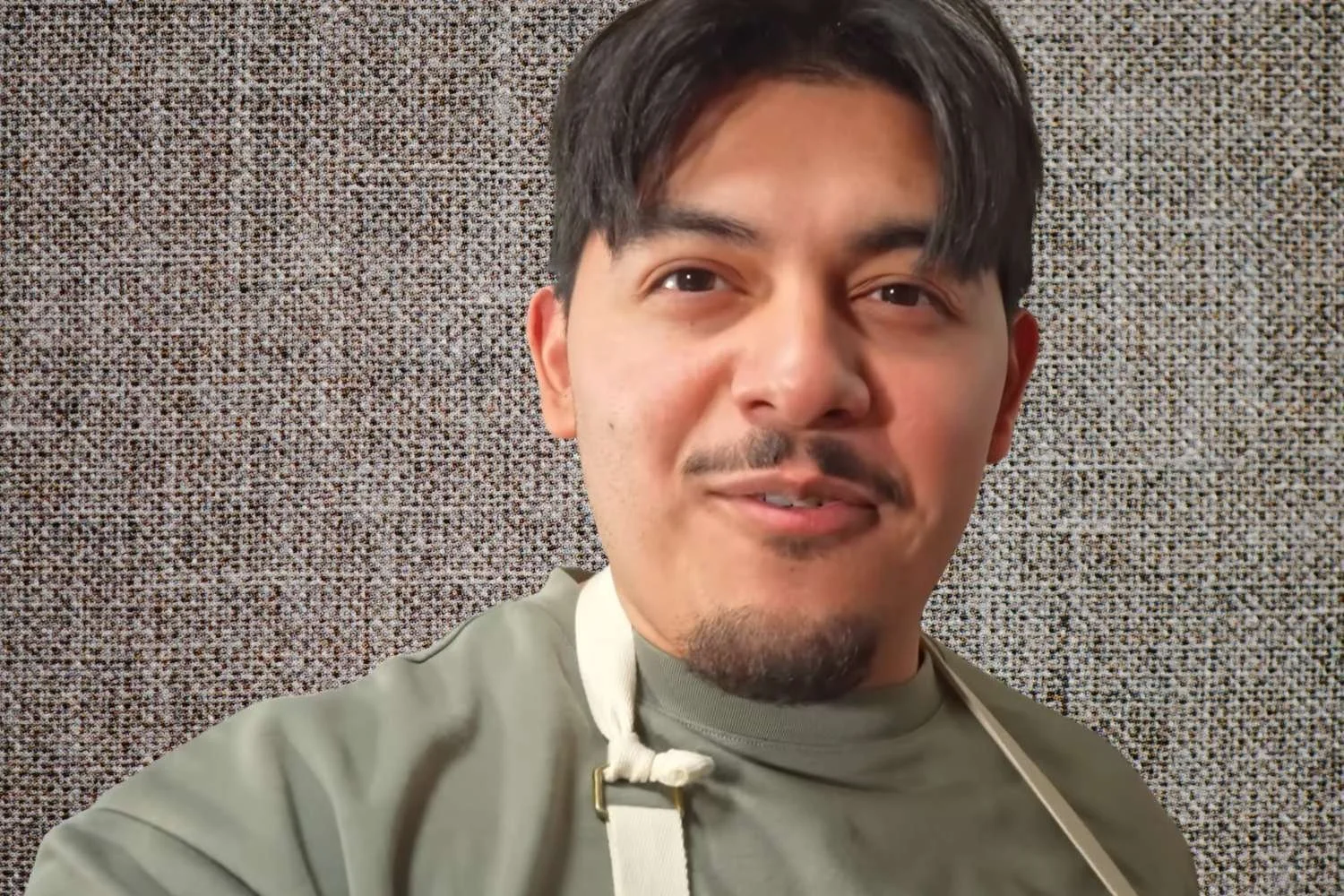
Food content often falls into one of two categories. On one side are the chefs who speak in the language of technique, discussing protein denaturation, hydration percentages, and knife geometry. On the other side are creators who reduce cooking to a collection of shortcuts and viral trends, where recipes become secondary to entertainment. José Xiloj, better known online as @jose.elcook, occupies a space between those extremes. His videos are energetic, irreverent, and often humorous, yet beneath the personality lies genuine kitchen experience translated into practical knowledge that home cooks can immediately use.
Xiloj's relationship with food began long before social media algorithms started rewarding cooking content. He grew up helping at his father's Mexican and Guatemalan restaurant, where childhood meant washing dishes, working the grill, and absorbing the rhythms of restaurant life from an early age. Corn tortillas, one of the most fundamental foods in Mesoamerican cuisine, were part of daily life. As he later explained, tortillas had been "in his blood" since childhood.
That foundation matters because Xiloj's content is an extended apprenticeship. He attended culinary school, but ultimately left, deciding that professional kitchens offered a more direct education. Working in restaurants throughout Connecticut exposed him to nearly every corner of the industry, from baking and prep work to kitchen management. After long shifts, he would return home and continue cooking, filming recipes in a small apartment while trying to build an audience. It reportedly took more than a year before those efforts generated even a few cents of income, a reminder that many of today's largest food creators spent years creating before anyone was watching.
Xiloj’s Guatemalan and Mexican heritage remains visible throughout his work, but he avoids the trap of presenting traditional foods as untouchable relics or tokens of diversity. Instead, he lets his heritage lay the foundation for exploration. A homemade tortilla recipe may appear alongside artisan bread. Birria tacos can coexist with French onion soup, while chili garlic oil sits next to peach cobbler. Many home cooks divide food into two categories: dishes they know how to make and dishes they admire from a distance. Conchas belong to bakeries. Pupusas belong to specialists. Molcajete salsa belongs to restaurants or grandparents. Xiloj’s content repeatedly targets these psychological barriers, and reminds you that the perfect Mexican rice is achievable.
The phrase "You CAN cook now!" appears across Xiloj's platforms as his culinary tenet, much like Gusteau’s “Anyone can cook.” A typical creator might present a finished plate and encourage viewers to replicate it. Xiloj instead focuses on the moment where most people quit. When making conchas, for example, he does not simply provide ingredients and measurements. He discusses milk temperature, explains why butter must be incorporated gradually, stresses the importance of resting dough, and even warns against browning the bread during baking because softness, not color, is the goal. There is no secret from a panadería, and Xiloj makes sure to demystify that.
The same philosophy appears throughout his Mexican and Central American recipes. A molcajete salsa becomes an opportunity to explain why crushing ingredients by hand produces a different texture and flavor than blending them mechanically. Roasted tomatoes, onions, garlic, cumin, lime, and salt are vessels for a discussion about extraction and balance rather than merely another salsa recipe. Rather than presenting pupusas as an exotic specialty food, he focuses on dough hydration, shaping technique, heat management, and common mistakes that cause the fillings of pupusas to leak or masa to crack. Oftentimes, he is able to connect readers with a volcanic stone bowl and a cooking technology that predates modern kitchens by centuries.
Xiloj rarely separates heritage cooking from broader culinary education. Alongside pupusas, tortillas, carnitas, and salsas are videos about cinnamon rolls, roasted chicken, chili oil, stock making, chocolate chip cookies, and churro cheesecake. His content repeatedly returns to the simple idea that good cooking is not the result of talent but accumulated knowledge.
Restaurant food appears magical because viewers only see the finished plate, so Xiloj reveals the steps hidden in between. Why does a fried egg stick to one pan but release effortlessly from another? Why does restaurant rice taste different from rice made at home? Why does one salsa taste flat while another tastes layered and complex? Rather than presenting professional results as unattainable, he breaks them into manageable variables through his Substack. Freed from the pace of short-form video, Xiloj uses the platform to document recipes in greater detail, preserving techniques that often live primarily through demonstration and oral tradition.
The wide array of ingredients that appear throughout his work is also democratic. Expensive Wagyu beef and luxury products rarely dominate the frame, leaving copious room for viewers to encounter masa harina, onions, garlic, tomatoes, dried chiles, flour, eggs, butter, and corn tortillas. These are ingredients available in ordinary grocery stores and neighborhood markets. The focus remains on developing judgment rather than accumulating equipment--knowledge really is power.
Xiloj occupies an unusual position within contemporary food media. Amongst creators who specialize either in preserving tradition or chasing novelty, he manages to do both. Professional cooking often appears as a tangled skein of family traditions and kitchen confidences. "You CAN cook now!" does not promise mastery, but in turn offers permission to attempt foods that seem difficult, to make mistakes, and to learn techniques that once felt exclusive. In an online food landscape crowded with spectacle and perfection, Xiloj's most distinctive contribution may be his insistence that culinary knowledge is not something to admire from afar, and that the gap between professionals and home cooks is smaller than we think.
