

Thank a Queen: The Underground Drag Origins of Modern Makeup
Nick Swaelen
It seems nowadays that the majority of make-up enthusiasts believe that the entirety of their beauty tips originated from TikTok or Instagram. n actuality, some of the things considered clever or crafty when it comes to make-up application should be accredited to drag queens of the ages.
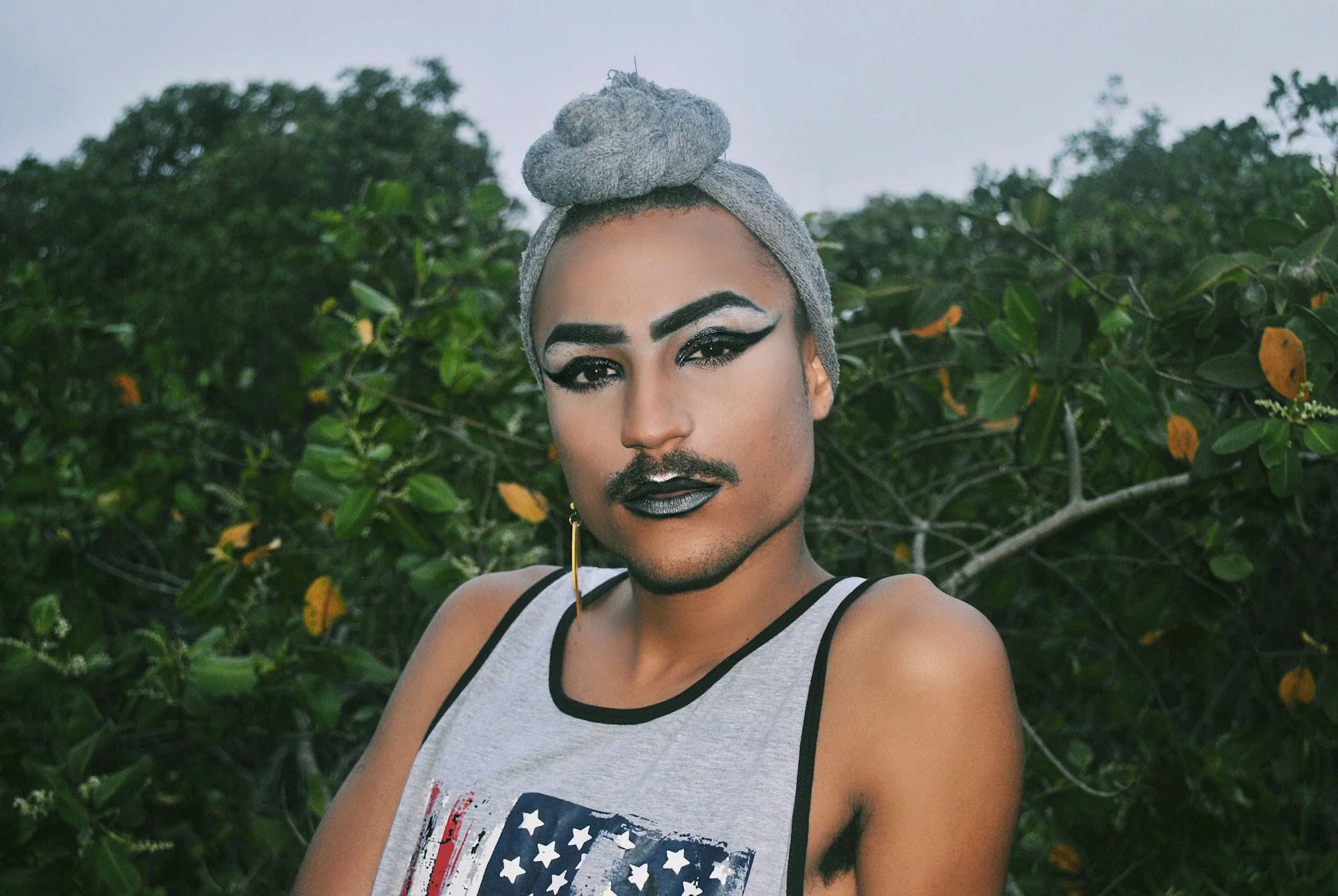
Modern make-up trends, consumers, gurus, and enthusiasts, owe its foundation entirely to drag culture, where artists from different walks of life weaponized make-up as an instrumental act of radical exploration.
Baking
This article is a sweet and simple tribute to the techniques that make her–us and more.
According to IPSY and PIBE magazine, the history of "baking” (the act of translucent powder being caked onto the warmth of the face and wiping the excess off) was first developed in dressing rooms and underground club scenes to keep makeup hurricane-proof under hot stage lights.
However, everyday beauty enthusiasts and gurus adopted it for flawless, crease-free, poreless, foundation longevity. Throughout the day, today, to "bake a face "is meant to help set a full face of makeup with extravagant layers that can easily be creased otherwise.
Extreme Contouring and Sculpting from Within
Also, according to PIBE magazine, the technique of heavily shadowing the jaw and nose and cheekbones to make the face look thinner and nose smaller has historically been pioneered by drag queens.
Although toned down now to accentuate features that we love, it was originally used to completely restrict the face when in contact with the spotlight. It helped dry clean, shift gender presentation, and create depth visibility from afar, especially when performing. Now, it has graduated from stage lights to everyday sculpt routines for a glam of all variations.
Overlining Lips and Cutting Creases
Tracing past the natural lip line to manipulate proportions and create plumpness is the ultimate technique known as overdrawn lips. Some people take it to the extreme, some people don't. If you have thin lips, it is really used to accentuate and plump by masterfully training an illusion of fuller lips from far away and at face level. These have been essential theatrical tricks to ensure facial features read dynamically under harsh studio or stage lighting, now embraced by modern beauty trends for a doll-like or expressive eyes and full lips without clinical intervention. It is meant to seem more whimsical and chic yet wearable into a daily life.
While there is something called a cut crease where one carves a sharp line above the eyelid crease to artificially enlarge the eyes and to easily create a clean, sleek line after blending eyeshadow into the eyelid.
According to women.com, "Drag Queens Paved The Way For Some Of Your Favorite Makeup Trends — Why That History Is Important" Covers featured insides in two cosmetics from veteran drag performers like Sherry Vine, BenDeLaCreme, and Willam. It breaks down how techniques like heavy conjuring overdraw lips and glue-on false lashes moved from closed or dressing rooms into the mainstream.
Overall, drag queens have played a role in what beauty is today, all the way from Trixie Mattel starting a cosmetic brand to Pattigonia (the drag queen) fighting against major corporations. Drag has also influenced everything from fashion to even musical performances such as Lady Gaga or Chappell Roan.
You can synthesize that the main techniques and methodology behind drug make-up are seemingly to become more visible, to be seen and perceived, even in a loud room, even in bad lighting, even if no one can hear you talk. It’s also that you can make the statement of simply just existing.
Whether it's color correcting over areas with dark undertones (such as 5 o'clock shadows, hyper-presentation, or dark circles) or possibly coming back to your brows flats with a heavy-duty glue stick, it seems that these techniques were enthusiastically burst out of luxury. When in actuality, there is a hidden story, drag queens might've not had easy accessibility to make-up for a variety of reasons, especially makeup that meets the needs of a performer, not just any performer, but a drag queen. So whether that's putting setting spray on your face to actually "set your makeup” before setting spray was a thing all the way down to the one-size setting spray being yearly similar to this historic trend.
We can illiterate that what we consider standard glam today is deeply rooted in queer and drag history. We can encourage many reviewers to give credit, respect, and visibility to the marginalized creators who built the modern beauty playbook. It is essentially what we must do: to give credit where it is due.
