

Boy_Anupong
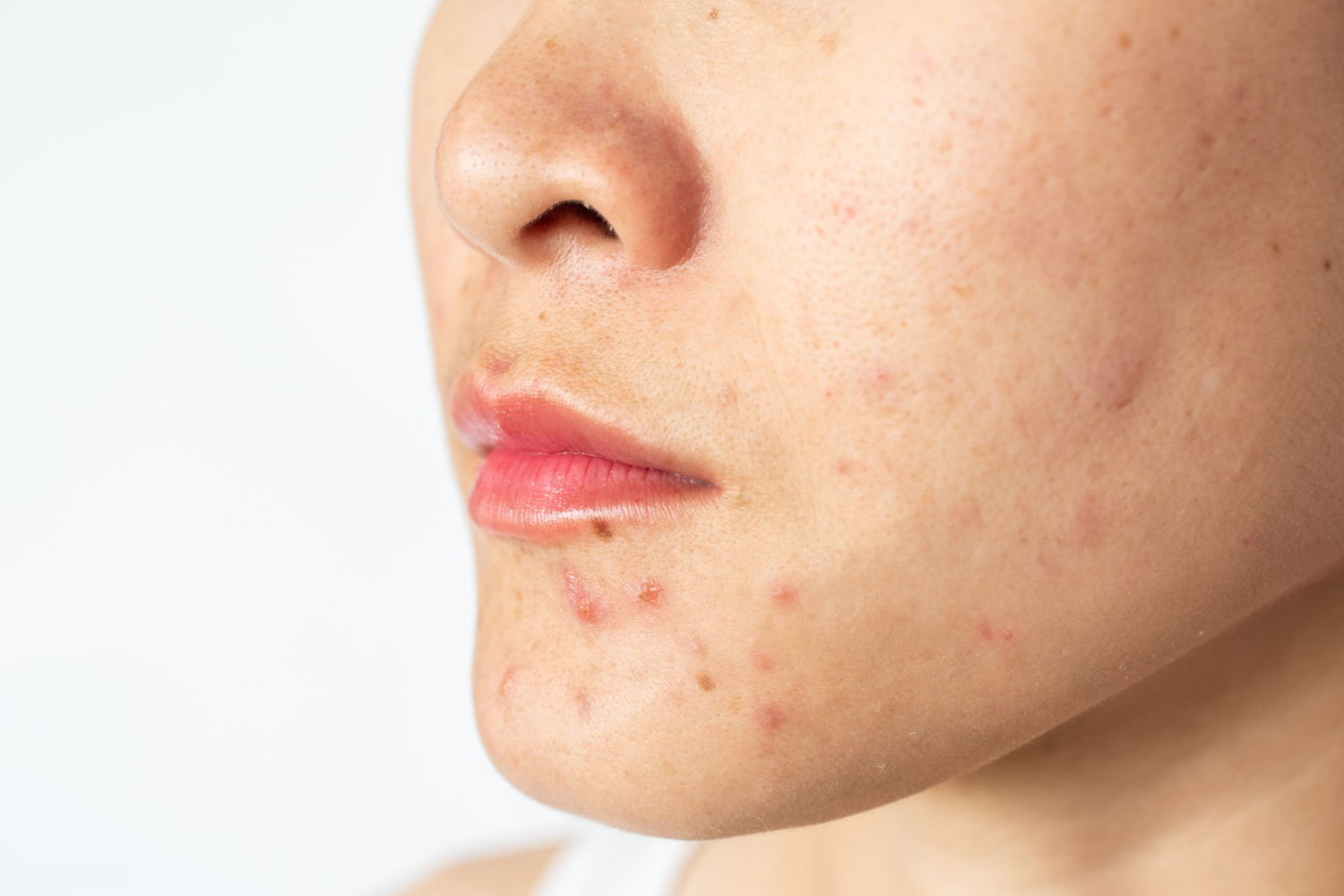
If you have ever stared into a magnifying mirror after an acne breakout, you know the quiet betrayal of the "healed" spot. The active papule disappears, only to leave behind a stubborn dark mark that hangs around for months.
For melanin-rich skin (Fitzpatrick types IV through VI), this sequence of events is practically inevitable. Melanocytes in darker complexions are hyper-reactive. When cutaneous inflammation strikes—whether from cystic acne, picking, or aggressive exfoliation—the skin responds by overproducing melanin. The result is post-inflammatory hyperpigmentation (PIH), often accompanied by true textural scarring (atrophic boxcar, icepick, or rolling scars).
The traditional approach to clearing dark spots often relies on aggressive peeling or harsh single-ingredient blasts that carry a high risk of triggering rebound hyperpigmentation—a counterproductive cycle where irritation causes even deeper dark spots. Fading pigment and smoothing texture safely requires a thoughtful, multi-modal strategy that respects the biology of deeper skin tones.
Down-Regulate Pigment Production with Tyrosinase Inhibitors
The enzyme tyrosinase acts as the chief engine driving melanin synthesis. When inflammation hits, tyrosinase goes into overdrive. To stop dark marks before they consolidate, topically interrupting this enzymatic pathway is essential.
While hydroquinone was long considered the clinical benchmark, its tendency to cause halo bleaching or rebound pigmentation makes non-cytotoxic, gentle alternatives a more sustainable choice for ongoing care.
Alpha Arbutin: A gentle biosynthetic derivative that mimics hydroquinone’s mechanism without its cytotoxic risks, making it safe for prolonged daily use.
Kojic Acid: A fungal-derived metabolite that chelates the copper ions required for tyrosinase activity.
Tranexamic Acid & Niacinamide: Works synergistically alongside tyrosinase inhibitors by slowing melanosome transfer to surrounding keratinocytes while suppressing underlying vascular inflammation.
Accelerate Turnover Safely via Retinoids
Once pigment formation slows, the remaining localized melanin must be brought to the surface and shed naturally. Retinoids increase cellular turnover and stimulate dermal collagen synthesis to repair mild textural shadows.
For skin of color, slow integration is crucial. High-strength retinoids can induce retinoid dermatitis, initiating a fresh cycle of PIH. Encapsulated retinol, retinaldehyde, or prescription trifarotene applied twice weekly over a barrier-supporting moisturizer helps accelerate cell turnover while preserving skin barrier integrity.
In-Office Protocols: Low Heat, High Precision
Topical activities excel at resolving epidermal PIH, but deep dermal pigment and tethered, structural acne scars demand professional clinical intervention.
The critical rule for deeper skin tones in a clinical setting is heat management. High-heat energy devices (like traditional aggressive ablative lasers) can burn darker tissue and cause severe PIH. Safe clinical alternatives prioritize mechanical or low-thermal energy:
Heat-Free Microneedling: Creates controlled micro-injuries in the dermis to stimulate collagen type I and III without thermal trauma, making it inherently safe across all Fitzpatrick types. Paired with targeted brightening infusions (like tranexamic acid), microneedling breaks up stubborn pigment clusters safely.
Superficial Chemical Resurfacing: Medical-grade peels utilizing salicylic, mandelic, or blended TCA formulations gently lift surface shadows and unclog pores without penetrating deep enough to shock dermal melanocytes.
Subcision: For rolling or tethered scars, a fine needle physically releases the fibrotic bands pulling the skin downward, allowing the tissue to bounce back level with surrounding areas.
The Core Maintenance Requirement
Every advanced treatment strategy collapses without strict, broad-spectrum sun protection. Ultraviolet radiation and high-energy visible (HEV) blue light activate melanocytes, darkening fresh PIH within minutes. A broad-spectrum mineral or hybrid SPF 30+ tinted with iron oxides reflects visible light and protects your progress, ensuring long-term clarity.
The video below demonstrates how targeted microneedling micro-channels allow brightening serums to penetrate deeply and treat post-acne marks safely on deeper skin tones.
