

Elegance Doctrine: Modern Fashion Has The Art Of Drag To Thank
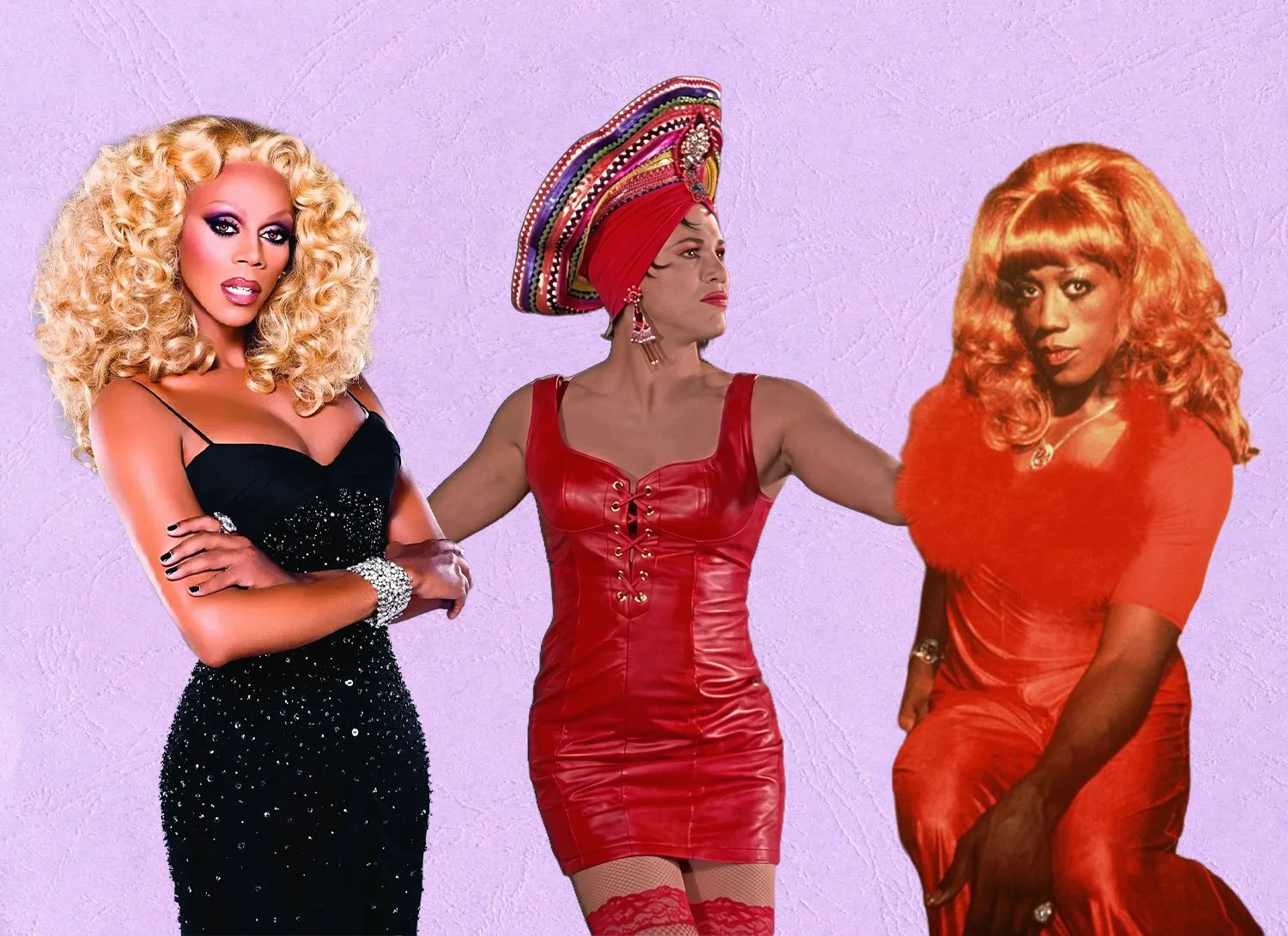
From left to right: Rupaul, john leguizamo and Wesley snipes
In June 1999, President Bill Clinton named June “Gay and Lesbian Pride Month” in honor of the uprising at New York City’s Stonewall in 1969. The police raided the Stonewall Inn in late June of that year, leading to the violent revolt by the patrons of the iconic queer establishment. The following year marked the first gay pride parade in New York City in honor of the events at Stonewall the year before, and the parade continues to the present day.
The largest Pride events happen in New York City during June, including the NYC Drag March, which happens the Friday before the final parade and is meant to pay homage to the drag queens who led the uprising at Stonewall. So, as we celebrate gay pride and the queer people of the past who courageously fought back against the societal hatred towards their existence, it is important to understand the roots of pride and drag and how queer performance art continues to influence the style of today.
An iconic piece of the community
Drag is now enjoyed by the mainstream public thanks to shows like RuPaul’s Drag Race, popular movies like Hairspray, Farewell My Concubine, and To Wong Foo, and insightful documentaries like Paris is Burning. Known for being a campy and over-the-top source of entertainment, drag is also an essential part of the LGBTQ+ community besides its use in entertainment.
Drag’s American roots were planted in New York City with the Harlem Ballroom scene, where queens competed in honor of the house they were in. Houses are best described as groups of queens who have formed a sort of drag families where a win for one member is a win for the whole. This offered a place of belonging in an almost separate world from the hatred towards queer people outside of the balls.
Drag was an outlet for transgender people before it became more socially accepted, as well as a creative outlet and community for any queer person. Drag queens have forever been a pillar in the LGBTQ+ community, known for challenging gender stereotypes before that was seen in popular media, and for offering mentorship within these drag houses and ballroom spaces for younger members of the community.
Performance and costume
Starting in the ballroom setting with various competitions such as realness, where queens competed to see who made the most naturally passable woman, the drag of the past was recognized by heavy makeup meant to bend masculine features into feminine ones and accentuated silhouettes to create the illusion of a woman’s curves. Now, there is a push for drag to be appreciated solely as the form of art that it is. Popular queens perform without wigs or padding, or even sometimes as non-human creatures like Drag Race’s beloved queen, Dawn, whose drag-sona was a fantastical elf.
The gender-bending art of drag is shifting in recent times as we see older queens stick to the traditional look of a drag queen, and the younger queens are showing new looks rooted in fashion and art rather than following a strict ideal of realness.
Drag’s influence on today’s style
While we still watch drag for entertainment and to gawk at the exceptional costumes and creativity, drag has influenced modern everyday style in some unexpected ways.
First, we have this idea of androgyny and gender-bending. Where we see a man, we also see him in makeup, wearing a dress, or painting his nails. Harry Styles and Bad Bunny both posed in dresses on the cover of magazines. Otherwise looking like themselves, with beards and sideburns, they posed in ways that accentuated the draping and movement of the garment, making the shoots all about them and the beautiful clothing rather than the shock value of a man in a dress.
While promoting Fight Club, Brad Pitt also hand-selected dresses that he wanted to wear for Rolling Stone Magazine. Here again, we see the juxtaposition of a masculine man (who was promoting a movie about illegal bare-knuckle fights) wearing traditionally female clothing. In this example, it was about the shock factor, and what it took from traditional drag was the performance element. The dresses were skin-tight and mini, worn by a man sporting a buzzcut. The looks were not at all cohesive and were used to challenge the hyper-masculinity of the time, tying into the political roots of drag art.
When RuPaul’s Drag Race started its ninth season in 2017 under the VH1 network (which was much larger than its previous network), the show really began to take off with general audiences. Leading up to this point, Kylie Jenner started selling her famous lip kits. This was her “King Kylie” era, which was marked by her use of colorful wigs, cut creases, overlined lips, false lashes, and, of course, the notable Kardashian silhouette, all of which are seen in the drag aesthetic. Kylie’s influence, working with RuPaul’s Drag Race’s success, made the aesthetic of 2016 what it was.
Connected in expression
What drag has taught the world is that we are all connected to trends and to one another through our desire to express ourselves. Whether that be through comedy, acting or performing, makeup, or style, the art of drag has always provided an element that those outside of the community can relate to. It continues to influence aesthetic trends and colloquial vocabulary in the present day, confirming its place as a timeless and communal art form.
