

The Zeitgeist: The Sensory World of Experiential advertising
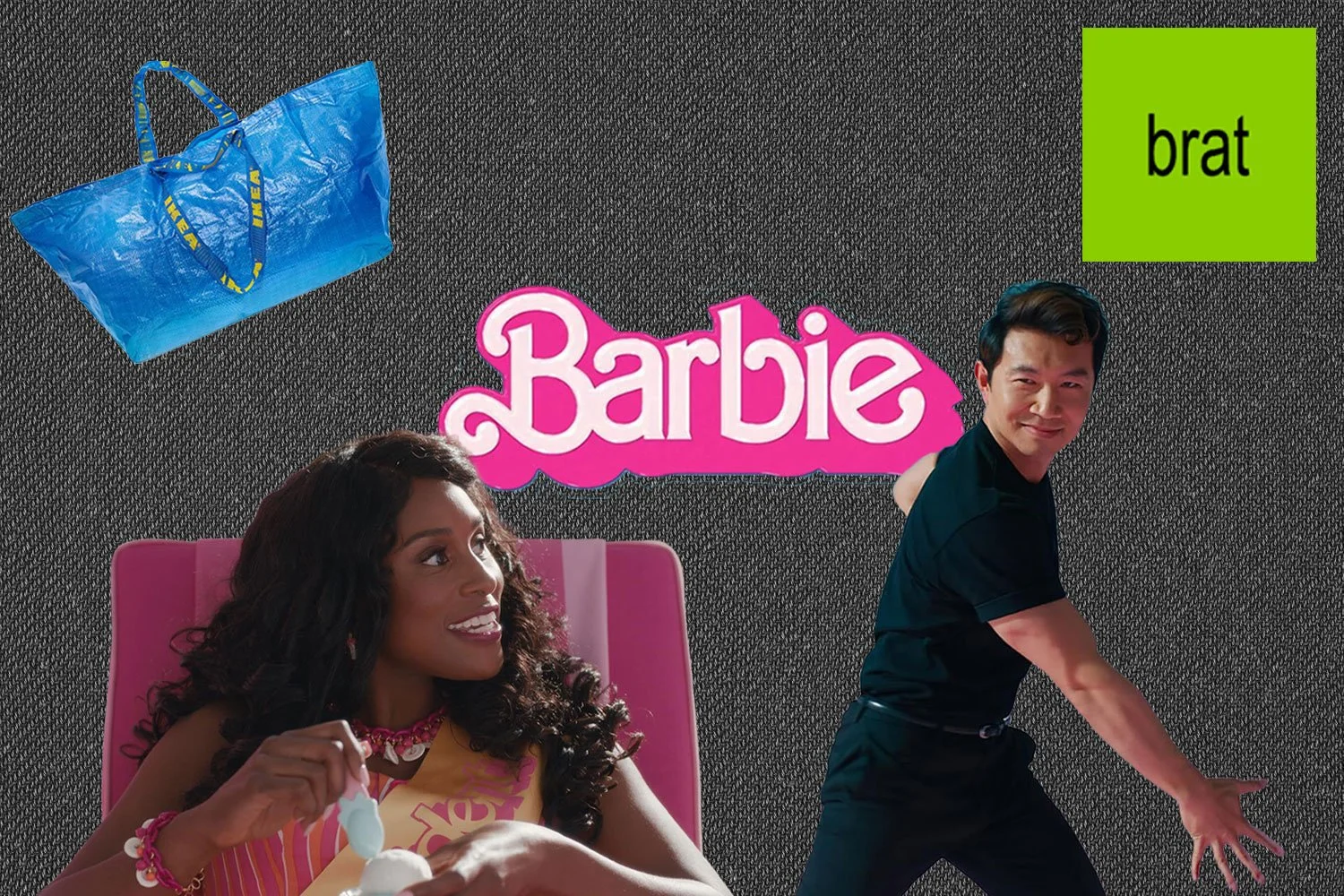
Bombarded by digital stimuli and a flood of AI-generated content, brands are searching for new ways to differentiate themselves. In an increasingly competitive, saturated market, marketers are looking for innovative ways to attract consumers beyond an Instagram story or TikTok. Ambitious strategies addressing this industry-wide problem are pushing brands beyond the digital realm, slowly abandoning passive social media ads for something more tactile.
To draw attention to a new company, in-person activations are becoming commonplace. Experiential marketing is quickly becoming central to strategy for many companies. From industry icons to newly seeded startups, brands are pivoting toward experiences that appeal to all five senses, creating connections that last and translate into organic social media moments.
This reflects a counter-cultural trend to rediscover the offline world, where experiences aren't just about capturing attention but about building lasting relationships with consumers. Look no further than the "quiet luxury" and slow living movements, which champion heightened presence and immersion as a way of life rather than experience as a means to instant documentation for social media.
This shift is also moving closer to fully embodied experiences rather than hybrid ones; think 3D billboards, scented posters, and community-centric pop-up events that push back against a purely digital existence. Organic movements shift culture and keep people having conversations that aren’t measured in likes or reshares. When a brand connects with a consumer in person, it creates an instant conversion that's less likely online, where factors like forums and herd mentality can sway a decision. For brands, digital presence alone isn't enough, especially in a post-pandemic world, where people are starving for real connection. This new touchpoint tangibly ignites culture. As any creative agency will tell you: brand building is world building.
In the summer of 2023, Barbie's magenta pink was inescapable. With Mattel's corporate money and Warner Bros.' studio support, the live-action Barbie movie immersed consumers in the doll's glamorous, pink-filled world through themed experiences ahead of the film's Los Angeles premiere. Barbie's roughly $145 million marketing budget brought the doll's world to life, dominating the news cycle and cementing the film as a cultural blockbuster before it even reached theaters.
Coachella attendees could live out the lyrics of Aqua's 1997 hit "Barbie Girl" by making charms at the charm bar and taking photos by the gallery wall. That single activation drew nearly 12,000 visitors in the festival's first two weeks and generated even more impressions through influencers posting about it on social media. Major brand integrations cemented the campaign’s success, like Airbnb's listing of Barbie's Malibu Dreamhouse and the Malibu Barbie Cafe, a retro dining concept with Barbie-inspired bites curated by MasterChef finalist Becky Brown.
To promote her album brat’s remix companion, brat and it's completely different but also still brat, Charli XCX hosted a listening party at the iconic Storm King sculpture park in the most theatrical way possible: a gigantic green pop-up listening booth positioned in tall grass. The installation blended in with the other conceptual art pieces at the outdoor museum, drawing many of XCX's biggest fans to Cornwall. To create a space of intimacy, XCX played the songs directly from her phone, combining the sophisticated energy of the art world with the atmosphere of a boiler room. The event was both a master class in preserving an artist's branded authenticity and a fitting capstone to the era of "brat summer."
Barbie and brat both illustrate how the bond between brand and consumer can determine long-term loyalty and advocacy, what's known as "brand gravity" in the advertising world. It's why certain colors stick in your mind: XCX's neon green will always be tied to the cultural conversation that spread from music into case studies on what "brand authenticity" looks like. In promoting her album, Charli XCX tapped into the idea of appealing to one's 1,000 true fans, a concept coined by former WIRED editor Kevin Kelly in 2008.
Worldwide, billions have already been invested to blend art, technology, and community, as with Saudi Arabia's Vision 2030, which launched a cultural agenda to reshape the future of experience beyond the web. Understanding and playing into meme culture can help a brand capture the cultural zeitgeist, but as attention becomes a scarce commodity in the age of content, there's a growing emphasis on connecting with people in person, which is something Charli XCX understood well.
Barbie's success as an indicator of experiential marketing's power to drive sales hasn't gone unnoticed: retail brands are following suit. Launched in 2024, IKEA's Hus of FRAKTA, an exclusive luxury-style pop-up on London's Oxford Street, featured an atelier where visitors could stitch their initials onto an IKEA bag, alongside a candyfloss wall designed to look like the inside of the brand's iconic blue bag. Previously, IKEA's "Big Sleepover" campaign offered fans the chance to spend the night in-store, tapping into the childhood fantasy of sleeping in a factory or museum. Together, these activations have successfully engaged customers and driven sales, cementing IKEA as a pioneer in creating memorable, immersive shopping experiences.
Recently, to drive press for the show’s highly-anticipated second season, the cast of Severance participated in a live marketing stunt hosted in New York’s Grand Central Station. The actors acted out a scene in the plexiglass installation, and passersby could interact with them as the immersive design allowed for pedestrians streaming in from their commute to capture the uncanny activity on their phones for social media.
When experiential marketing campaigns transcend being simple brand stunts, they have the ability to engage consumers in unconventional ways. Done well, they respond to current moments in culture. are ambitious, utilizing narrative to make lasting impressions on people and communities at large. With this, brands can lay down their cultural footprint and even redesign their reputations.
