

The Zeitgeist: The Return of Depth? A Critical Look at Criticism Online
At the turn of the twenty-first century, media consumption and production have seen a drastic shift with the advent of the internet and the meteoric rise of social media. Culture historians, like W. David Marx, have pointed to the lack of monoculture in the twenty-first century, and how in the past twenty-five or so years, we have entered a cultural “blank-space” — an era when reboots, rehashes, and fads flourish, while bold artistic experimentation struggles to gain recognition. The modern climate of consumption often occurs in 30-second timeframes, as the viral success of much short-form content on Instagram Reels, TikToks, and YouTube Shorts attests. Lane Brown, the features writer for New York Magazine, further writes that virality can be easily engineered in her seminal article “The Feed is Fake.” On social media, popular opinion is being formed, measured, and manipulated all at once, and every signal the platforms produce- a trending song, a backlash, a talking point, the feeling that “everybody” is suddenly talking about the same thing- can now be fabricated by unseen actors with hidden agendas.”
The unified noise on social media criticizing whatever grabs the moment’s attention on algorithm-driven platforms may sound reminiscent of the monoculture of long ago. Jason Fargo, a critic for The New York Times Magazine, wrote in his seminal piece “Why Culture Has Come to a Standstill” that though our technological advancements have been “heralded as catalysts of cultural progress,” they have “produced such chronological confusion that progress itself made no sense.”
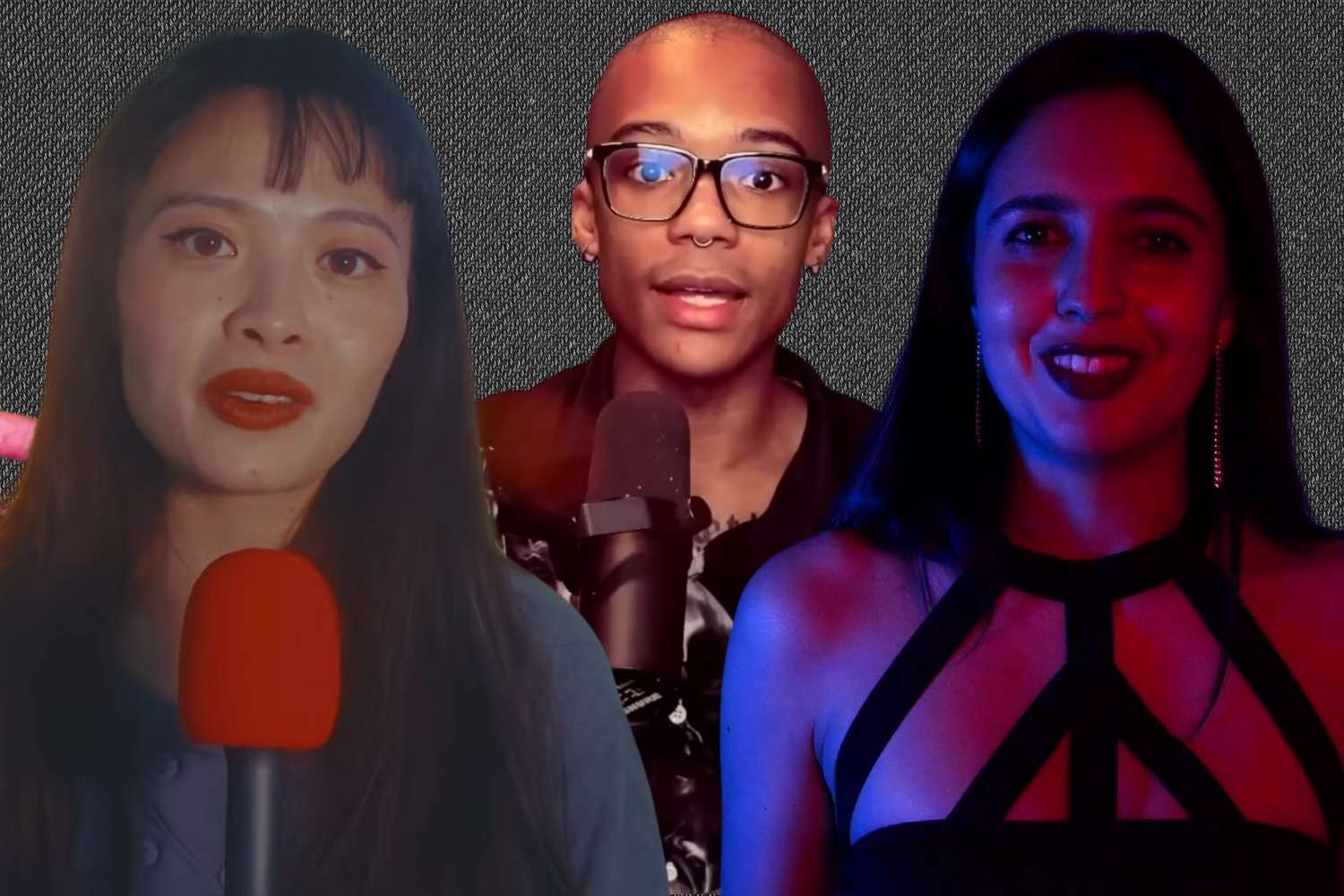
There is an institutional hunger for novelty in our culture of “too much.” Internet discourse delivers jokes in the form of memes about millennials “watching their 173rd once-in-a-lifetime historical event unfold,” while also gesturing to the deluge of information overload on our phone screens. This need to synthesize moments in popular culture drives the “hot-take” epidemic, in which people are coping with the constant digital noise by making content, trying to make sense of it all. In the past couple of years, there has been a rise of a new class of content creators, primarily video essayists on YouTube, like Mina Le or Broey Deschanel, who incorporate dense research, academic frameworks, and curated intellectualism to establish authority as they criticize cultural moments. Le, for example, has a background in fashion and art history, and most of her content dissects how fashion may provide sociological, economic, and political insights about what is going on today. Similarly, Maia Wayman, who is the Canadian video essayist behind “Broey Deschanel” on YouTube, holds a master’s from Toronto Metropolitan University and an undergraduate degree in humanities from McGill University. She puts her critical literacy skills to use by producing well-researched film criticism about movies dominating the zeitgeist, like Emerald Fennell’s “Wuthering Heights” or the influence of Napoleon Dynamite on the indie genre. However, recently both Wayman and Le have ventured into broader content about popular culture, as exemplified by Wayman’s recent videos about TikTok feminism and gentrification and Le’s interest in microtrends on social media. These sorts of videos, where deep critical thinking is celebrated and the art of rhetoric is championed, seem to be the antithesis of the slop that pervades the “For You” and Explore pages.
However, much is to be said about how the traditional, hyper-abbreviated “hot take” has now lost its cultural currency as viewers prefer short-form rather than longer, highly stylized and edited content. The genre of cultural criticism, previously heralded by household names like Susan Sontag and Joan Didion, who took a scalpel to culture to explore its intersection with politics and society, has been replaced by the genre of commentary and its presence online. Criticism has devolved to a more highly aestheticized performance of intellect to articulate one’s personal taste to a mass audience about how to navigate social media algorithms, rather than to encourage individual critical thinking.
D’Angelo Wallace, a popular commentary YouTuber who makes videos primarily about celebrities and popular culture, argues that contemporary commentary, at least on YouTube, performs differently from criticism because of online audience engagement. In his video, “commentary viewers have gotten… really dumb,” Wallace speaks about the role of performative morality. Audiences are coming to these videos already vindictive and are waiting for the criticism to be spoonfed to them. While traditional criticism functions as lengthy thinkpieces that one can find in The New Yorker or New York Magazine, any “hot take” on the internet can be taken as modern criticism. Anyone can have an opinion and a platform to share it.
The desire for depth, critique, and lament is understandable, especially as the declarative mode of expression matters more than ever, given that media literacy rates are floundering worldwide. Earnestness has its own appeal: it's what draws audiences to a "hot take" on TikTok, with its absolutism and clarity of opinion. The rise of depth online isn't a return to the monoculture of old. Instead, it's a response to its absence, and an attempt to impose order on a media landscape defined by fragmentation and quick virality. The success of critical content shows that the appetite for depth never disappeared; it will simply continue to evolve, adapting to survive in a contemporary ecosystem that prioritizes recognition over reflection.
