

Rhythm Review: Sparklmami Returns With in this body
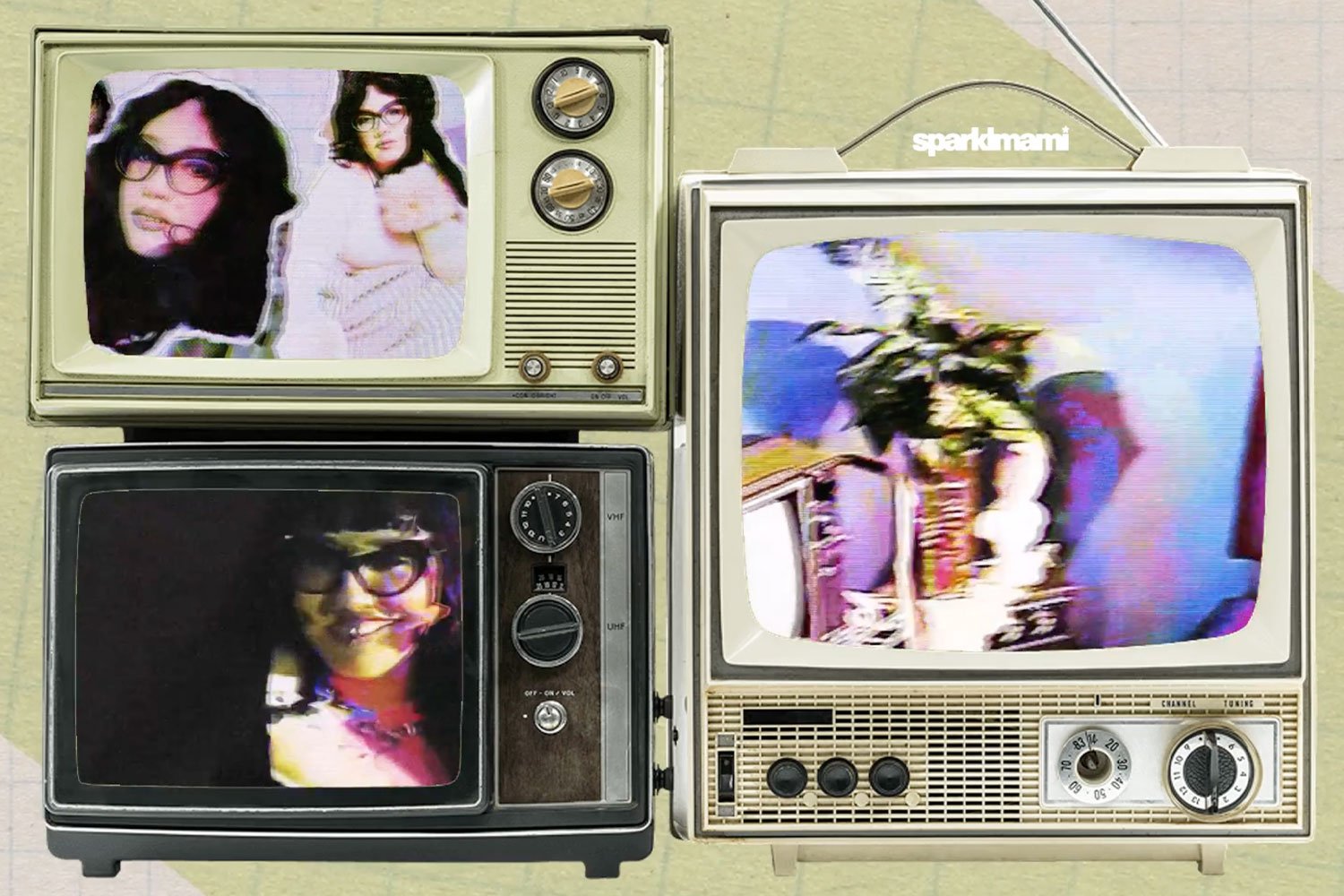
Finding Her Way Back to Music
At just 24 minutes long, in this body arrives and disappears almost as quickly as it begins. Rather than introducing herself through grand lyrical statements, Chicago-based artist Sparklmami opts for sonic atmosphere. Across nine tracks, her debut album drifts between jazz, Brazilian rhythms, alternative R&B, soul, and at times bossa nova, creating a warm, inviting sound that makes an instantly likeable record, one whose strongest qualities lie less in what it says than in how it sounds.
Born Ariella Granados, Sparklmami grew up in Texas singing in church before stepping away from music for nearly a decade. During that time, she built a career as a visual artist, performer, and makeup artist after moving to Chicago for college, only returning to songwriting after receiving an artist residency.
The record's greatest strength is its composition. Jazz forms the backbone of nearly every track, not simply through instrumentation but through its overall character. Basslines, horns, keyboards, and percussion play equal roles alongside Sparklmami's vocals. Brazilian influences, particularly bossa nova and MPB, weave naturally into the arrangements, while touches of disco and alternative R&B keep the project feeling contemporary rather than something of the past, a challenge for modern jazz records. Even on first listen, the album possesses an easy warmth that makes it difficult to dislike.
Sparklmami approaches her voice more like another instrument than the clear focal point of each song. Wordless melodies, repeated vocal phrases like "doo-doos" and "da-da-das" become recurring motifs throughout the project. They give the tracks the feeling of a live band during a jam session, comfortably settling into a groove rather than rigidly following a structure.
Atmosphere Over Storytelling
That same approach, however, also becomes one of the album's biggest limitations. Although in this body is impressive sonically, its thematic content feels rather surface level. The English-language songs, in particular, are surprisingly sparse in lyrical detail. Many tracks rely on repeated lines or vocal refrains instead of fully developed storytelling, making it difficult to grasp the emotional experiences the record gestures toward. Rather than unfolding through narrative, the album communicates primarily through feeling.
There's nothing inherently wrong with that approach, especially within jazz where improvisation and mood often carry as much weight as lyrics. Yet because Sparklmami's personal story is a central part of the album's promotional rollout, there's a lingering sense that the songs could have revealed more of her perspective. Moments that hint at something deeply personal often end before they have the chance to fully develop.
The clearest example arrives on closing track "it was 5 AM." Unlike much of the record, it leans more into the storytelling aspect, offering a glimpse of the reflective songwriting that the rest of the album only occasionally suggests. Ironically, it's also one of the shortest tracks on the project. By the time it begins opening a new emotional doorway, the album is already over.
Left Wanting More
Production-wise, in this body remains remarkably cohesive, though perhaps a little too cohesive at times. The jazz sound that gives the record its identity also creates moments where individual songs begin blending together. Similar tempos, recurring vocal improvisations, and familiar instrumental textures make the listening experience consistently pleasant, but they occasionally blur the distinctions between tracks.
That cohesion contributes to an album that is incredibly easy to revisit. This is the kind of record that naturally slips into everyday life. It feels suited to a quiet morning, a café playlist, or the soundtrack to getting ready before heading out. Its warm production rewards casual listening. At the same time, it rarely invites the kind of close lyrical analysis that many albums themed around personal identity encourage.
Perhaps the biggest criticism of in this body is simply that it ends too soon. At 24 minutes, it often feels closer to an extended introduction than a fully realized artistic statement. Rather than leaving with the satisfaction of having explored Sparklmami's world in depth, the listener is left wondering what another ten or fifteen minutes might have revealed. The foundations are undeniably strong, but the world itself feels smaller than the album's themes initially promise.
That shouldn't overshadow what Sparklmami has accomplished. As a debut, in this body establishes a distinct musical identity built around jazz, Brazilian rhythms, and alternative R&B without feeling derivative. While the project leaves you wanting more, both in runtime and emotional depth, that feeling is less a sign of disappointment than of unrealized potential.