

Culinary Codex: The Art Of Birdwatching (In Your Kitchen)
Karyna Panchenko
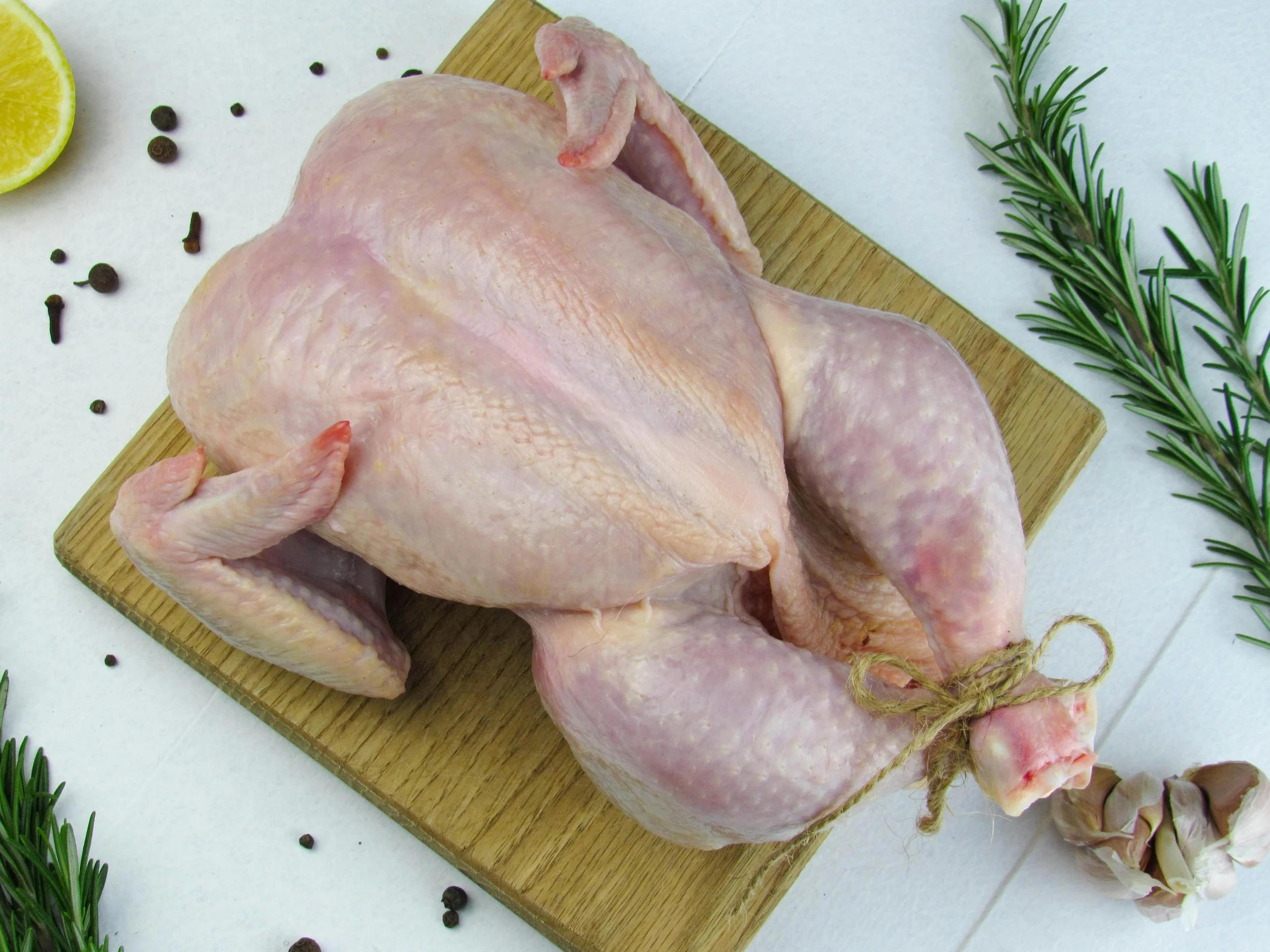
In nearly every home cook’s life, there is a moment of mild panic that begins with a package of chicken and a question that feels far more existential than it should: What exactly am I doing with this?
The bird waits on the cutting board like a polite guest who arrived too early. Even the most confident cooks have, at some point, wished it were a lacquered duck or a ribeye with clearer intentions. But chicken offers no such direction. Chicken is here to be molded into whatever a cook needs it to be.
It slips easily between cuisines, moods, and levels of ambition, whether weeknight simplicity or weekend indulgence. It takes well to a quick Provençal roast with thyme and garlic, disappears into a Thai green curry, crisps into Nashville hot chicken, and simmers gently in a Cantonese soy-poached preparation. Its flavor is restrained, but such modesty is precisely what allows it to absorb, amplify, and echo whatever surrounds it.
This installment of The Butcher’s Table goes beyond the vague, boneless abstraction shrink-wrapped in plastic and takes a closer look at the bird itself. What emerges is not a single ingredient, but a collection of distinct cuts, each with its own temperament, strengths, and silent demands. The individual quirks they bring are the difference between a dry, forgettable dinner and a true delicacy.
Delicate Dove: The Breast
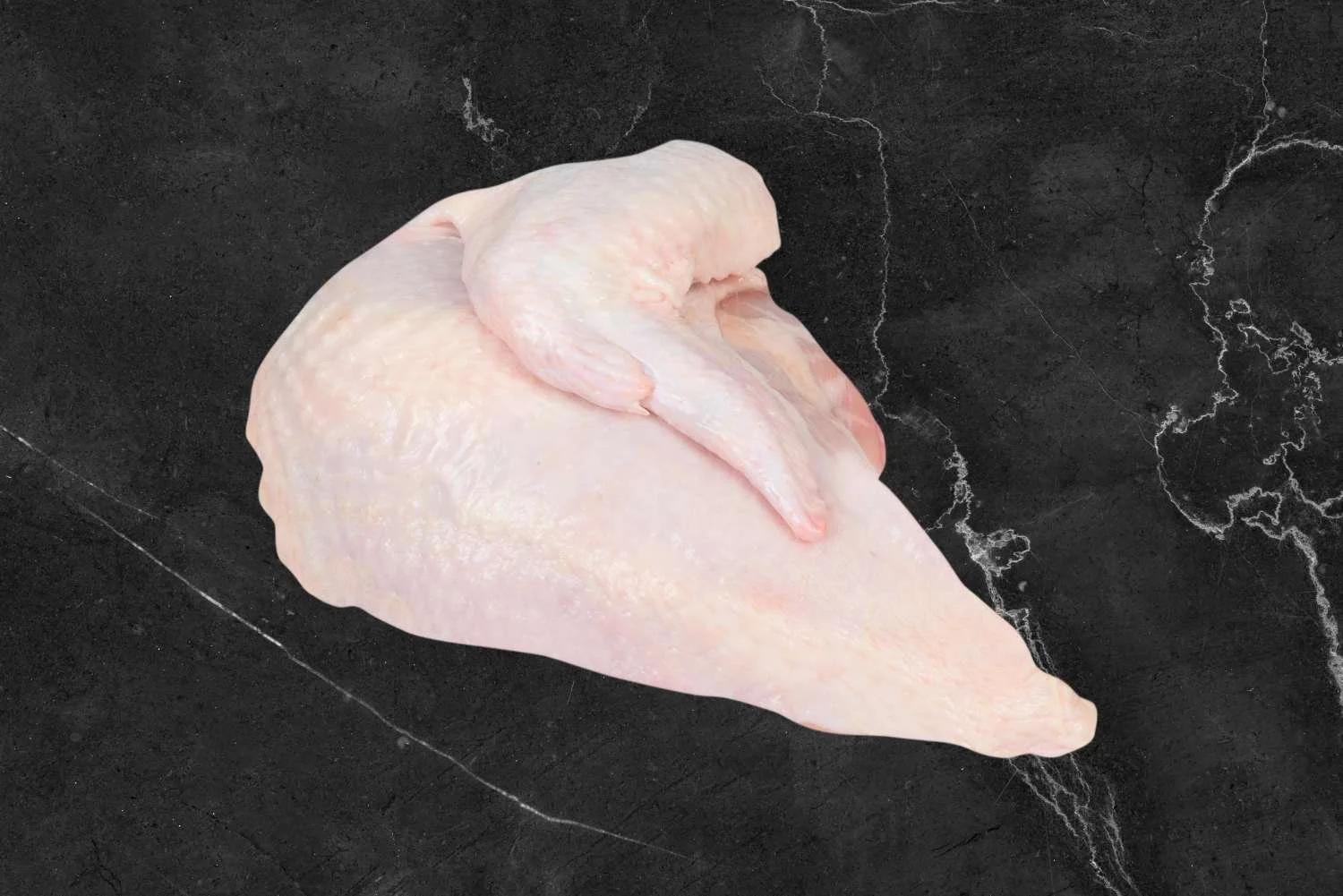
The chicken breast is the culinary equivalent of a white button-down shirt. It is a clean, familiar, and deceptively simple cut most people reach for first. Taken from the underside of the bird, it is a muscle that sees little exertion, which explains its pale color, delicate texture, mild taste, and low fat content.
That leanness is both virtue and vulnerability. It cooks quickly and takes beautifully to high-heat methods: a sharp sear for chicken piccata, thin slices folded into a ginger-scallion stir-fry, or a quick grill for a lemon-herb paillard. Cooked well, it yields a golden crust and a tender, velvety interior.
The margin for error is narrow. A moment too long on the heat, and the meat tightens, expelling moisture with quiet finality. When selecting, look for flesh that has not yet lost its composure: faintly glossy and gently plump, with a pale pink hue that has not faded into gray.
Dusky Dweller: The Thigh
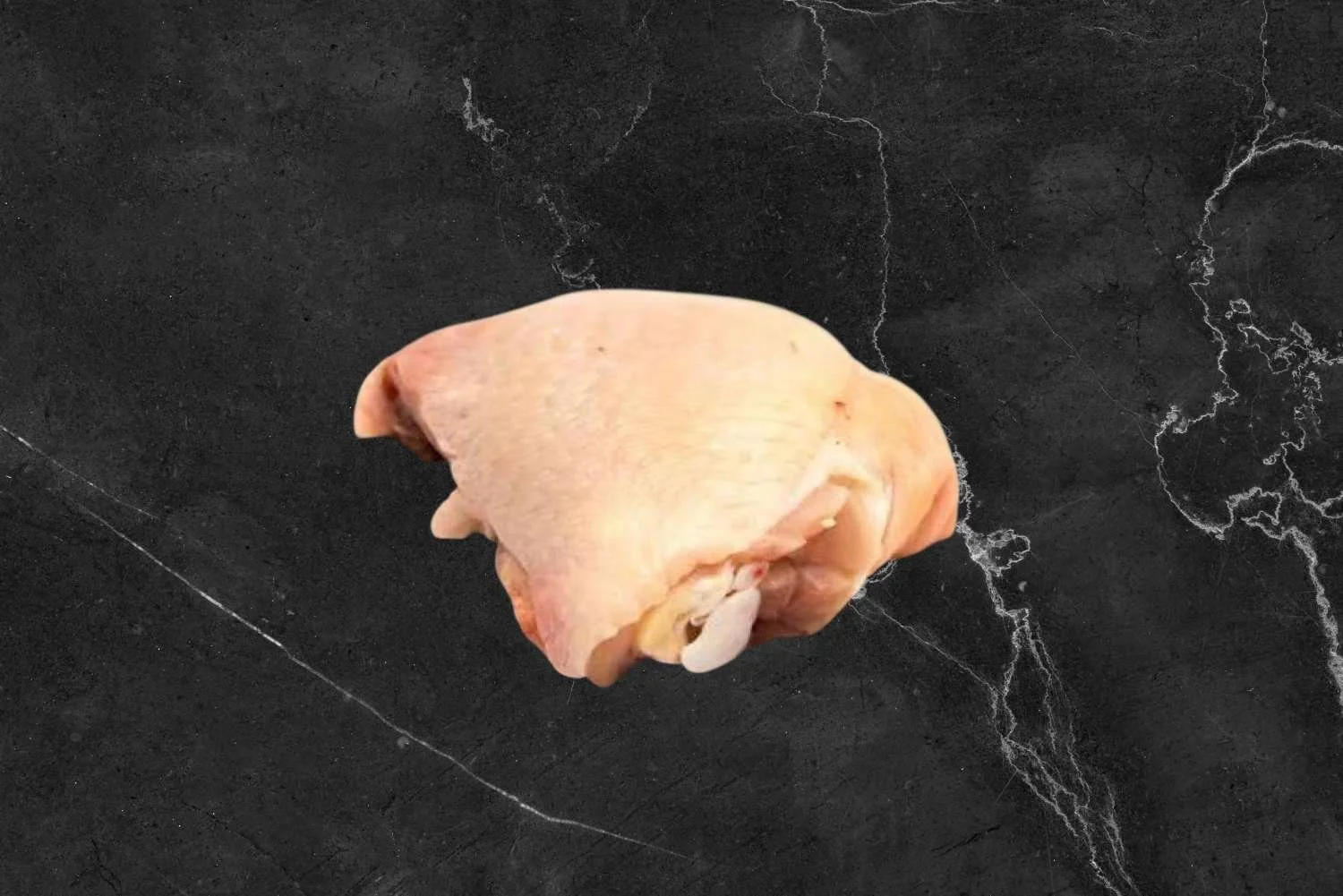
If the breast is restrained, the thigh is expressive. Cut from the upper leg, where it bears the marks of movement, and you’ll find more connective tissue, more fat, and with it, a deeper, more resonant flavor.
Thighs are forgiving in the way that your favorite well-worn recipes are. When raw, it carries a dusky, almost wine-stained tone. Once cooked, it transforms into a form of rich and savory luxury. You can roast them with garlic and rosemary, braise them into coq au vin, stew them in Filipino adobo, or let them slowly surrender to the spices of a North Indian curry.
Crisp the skin on a roasted thigh, and it crackles beneath the knife. Braise it, and it softens into silk. It absorbs flavor like a sponge. This is the cut that thrives on time, on heat, on intensity, and rewards patience with depth.
Field Runner: The Drumstick
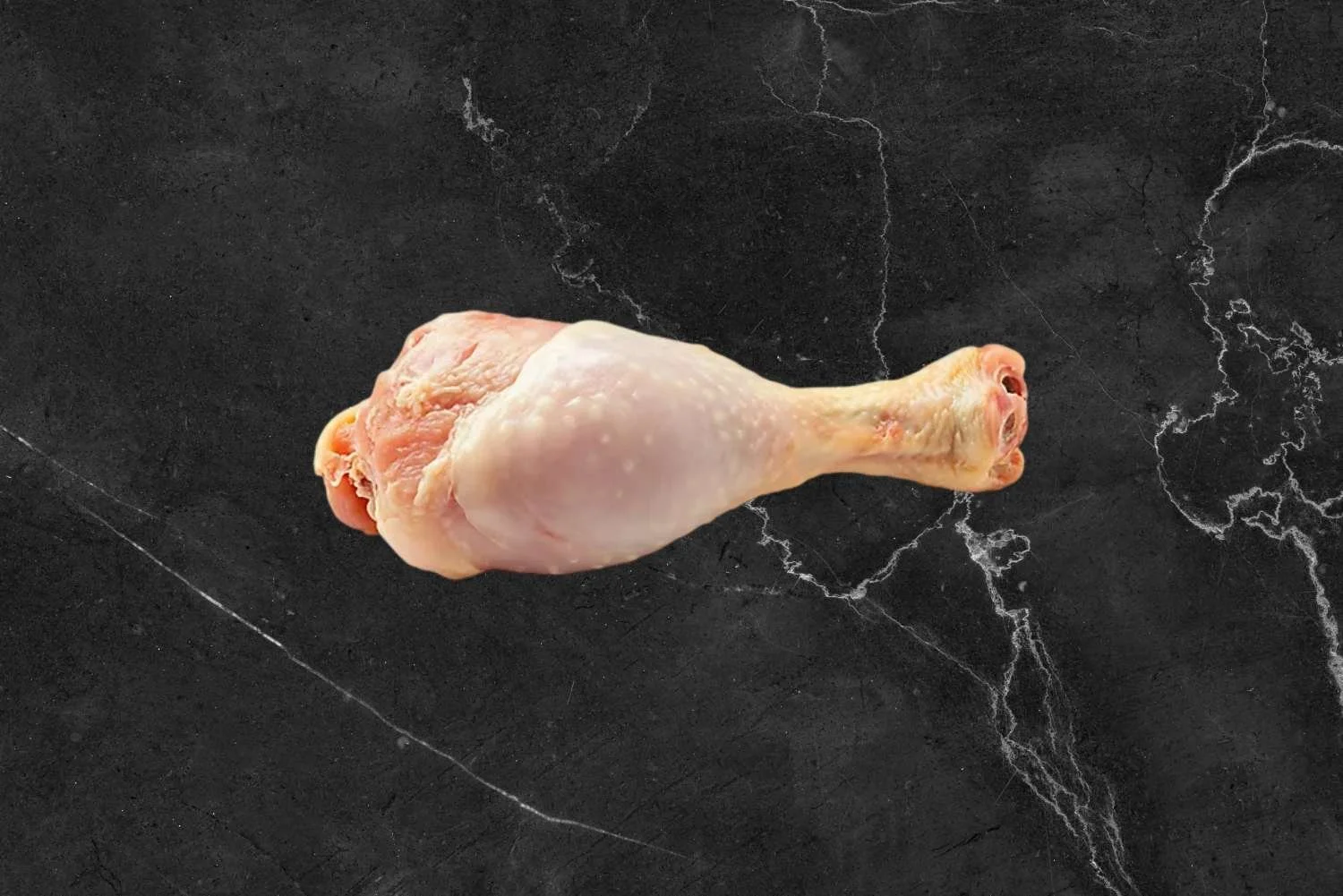
Follow the thigh downward, and one will arrive at the drumstick: the lower leg of the bird, or dinner with a built-in handle.
It shares the thigh’s darker meat and robust character, but with a slightly firmer bite. The drumstick excels in preparations that lean into boldness. It can be buttermilk-fried until the crust fractures audibly. It can be roasted with a honey-mustard glaze that caramelizes at the edge. It can, alternatively, be lacquered into a sticky soy-chili reduction.
There is a little ceremony here, and a rustic satisfaction in a well-cooked drumstick. The meat pulls easily from the bone, and the experience is tactile, free of the pretense of using cutlery.
Frenzied Flock: The Wing
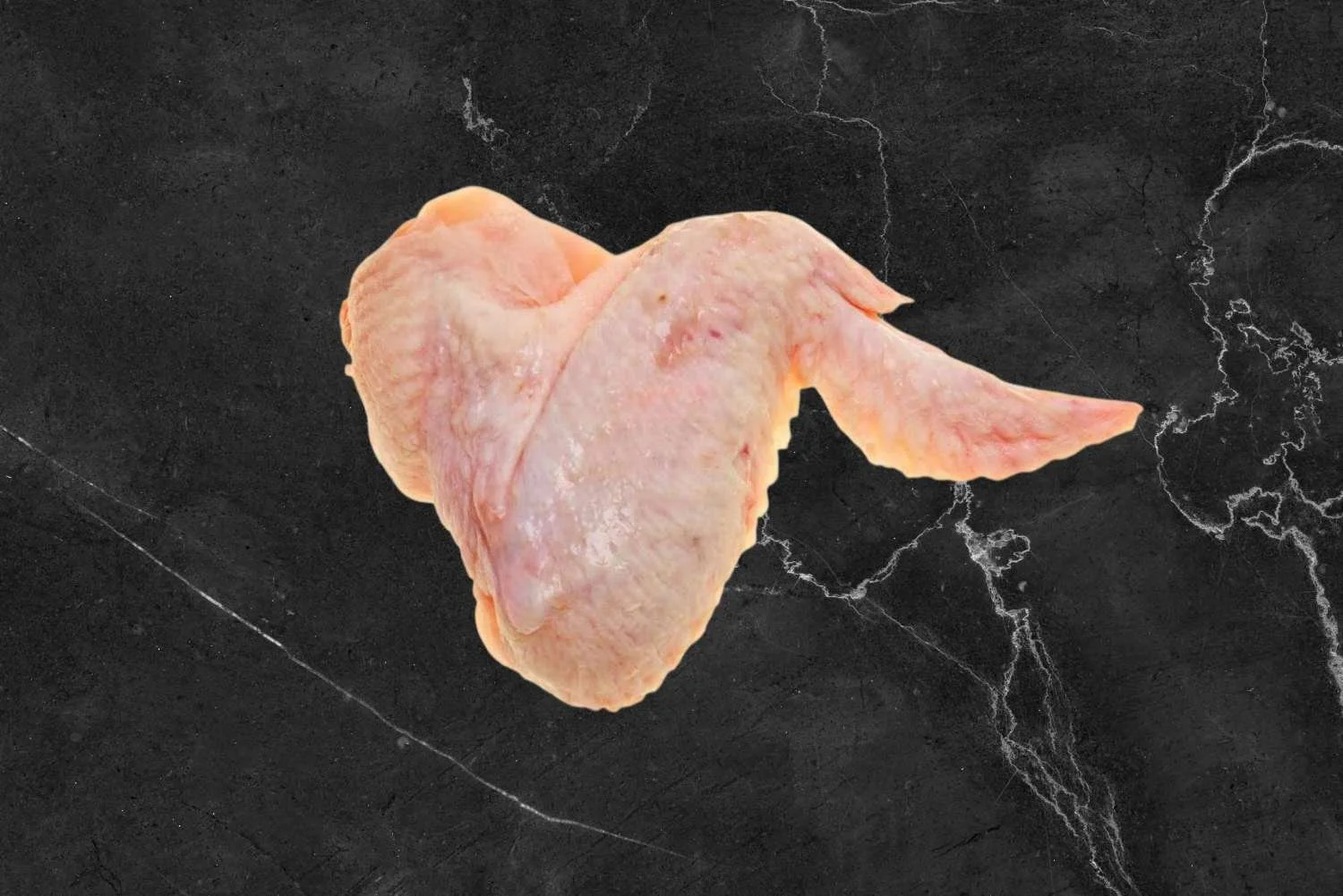
If chickens were introvert-leaning ambiverts, the wings would be where they hide their extrovert selves. Compact and kinetic, they are built for contrast and to be enjoyed in groups: crispy skin, tender interior, and an unmatched ability to carry flavor.
Composed of the drummette, they offer the ideal canvas with a high skin-to-meat ratio. They cook quickly and respond well to high heat. The skin shatters the way lightning branches with each bite when fried. When grilled, they char and smoke, and when baked at high heat, with plenty of air circulation, they can achieve a surprising “crunch” without a drop of oil.
They are, above all, vehicles that carry flavor. Buffalo sauce clings and burns bright. Gochujang glaze deepens into sweetness and ferocity. A dry rub of cumin, coriander, and chili blooms. Toss the wings in anything, and they cling to the skin and seep into the meat. They are messy, communal, and impossible to eat neatly, which is precisely the point.
Full Plumage: Whole Leg
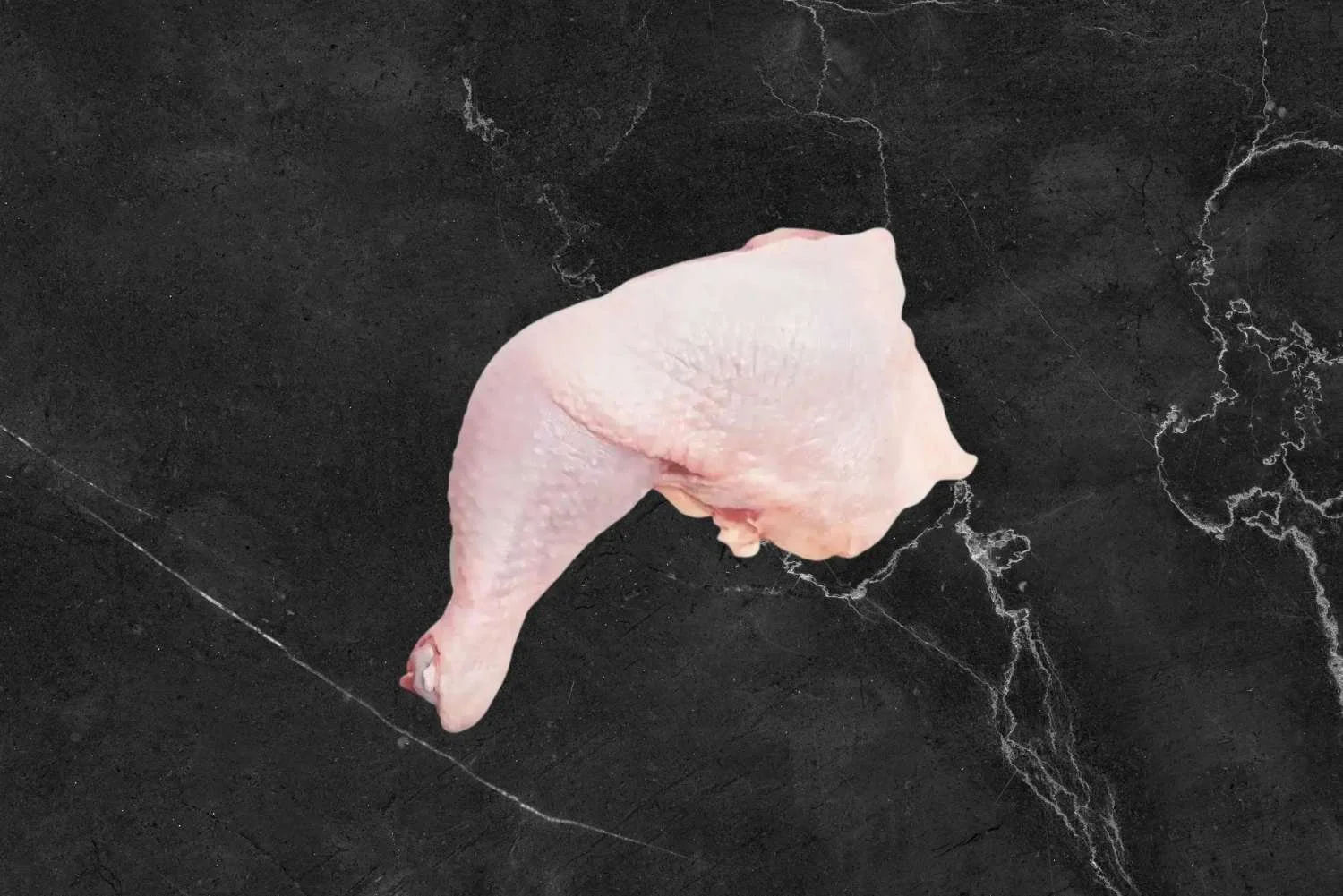
Sometimes called the leg quarter, the whole leg combines the thigh and drumstick into a single, cohesive cut. It is generous, both in size and in taste and texture, and ideal for roasting.
When cooked whole, the components create a kind of built-in balance. As the fat renders gradually, basting the meat from within, the thigh remains succulent, the drumstick firms up slightly, and the skin stretches taut and crisps into a unified, golden shell.
It asks for very little embellishment, whether salt, pepper, heat, or time. Evidentiary to its own self-efficiency, it delivers one cut, multiple textures, and no room for arguments between tenderness and chew.
Choosing Well: The Selection Process
Understanding chicken begins long before it reaches the pan. At the market, the bird offers subtle cues. Look for flesh that is pale pink and faintly luminous, never dull or gray. It should feel firm and resilient to the touch, not soft or slippery. Excess liquid in the packaging is rarely a good sign, as it often signals age or improper storage rather than freshness.
Skin-on cuts should appear creamy, slightly translucent, and intact, without patchy tearing or dryness. When deciding between bone-in and boneless, it helps to consider time and flavor: bone-in pieces tend to retain moisture and develop more succulence, making them ideal for roasting and braising; boneless cuts, on the other hand, offer speed and convenience, better suited to quick, high-heat cooking.
To emphasize flavor in your dishes, look towards fatty cuts of meat, like thighs and drumsticks. Their higher fat content remains juicy even under prolonged heat. While leaner cuts, like the breast, require more attention and reward for precision. Skin, when left on, acts as a protective layer to keep the meat beneath moist, and when rendered golden, brittle, and lightly salted, it is one of the simplest culinary pleasures.
